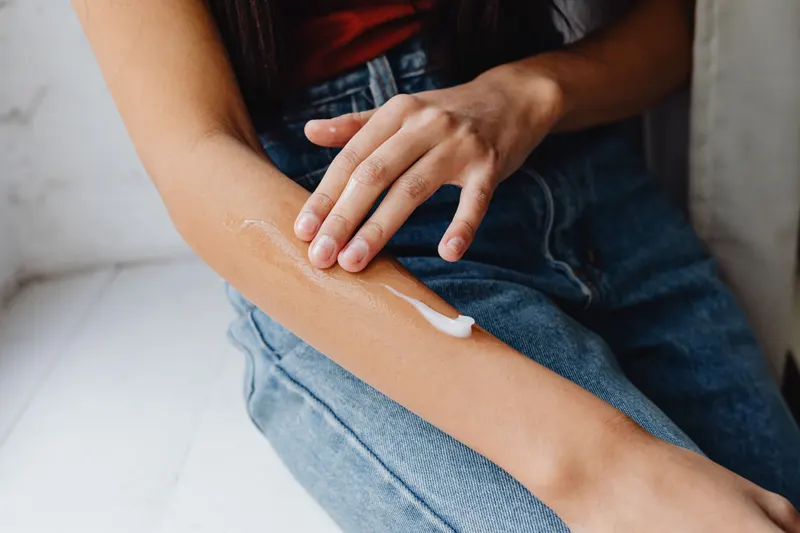
To patch test face paint, put a small amount of each color on the arm of the person who will wear it 24 to 48 hours before the event, as the FDA advises. Check the spot at 24 hours and again at 48 hours. Redness, itching, swelling or a rash means don’t use that paint on the face. To remove face paint, soften it with warm water, then wash gently with a mild cleanser and moisturize.
Face Paint Patch Test and Removal Guide, With a Timer
Face paint goes on skin, often on children’s faces, and a reaction on the morning of a party is the last thing anyone wants. A face paint patch test catches most problems a day or two ahead, and it only takes a minute to do. This guide gives you a timer that tells you when each check is due, a calendar reminder, a checklist for the whole process and gentle removal steps for afterward.
The timing follows the FDA’s advice. Nothing you enter is stored; the timer simply reads your device’s clock.
Patch test timer and checklist
Start the timer when you paint the test spot. You’ll see when the 24-hour and 48-hour checks are due, and you can download a calendar reminder. Tick off the checklist as you go. Nothing is stored.
Safety first: Use only face paint made for skin, with colors approved for use in cosmetics, never craft or acrylic paint or markers. Patch test a small amount on the arm 24 to 48 hours before the event, keep paint out of the eyes, and never use neon or glow-in-the-dark colors near the eyes. Wash it off if the skin feels itchy, hot or sore, and if a rash, swelling or eye irritation develops, stop and ask a doctor.
Your privacy: Everything you enter stays on your device. This page does not send, save, or share your answers, and you do not need an account or an email address. If you copy a share link, your answers are stored inside the link, so only share it with people you trust.
This page is general beauty education. It is not styling, cosmetic, dermatological, or medical advice.
How the face paint patch test timer works
Paint a small test spot on the arm, then press “Start the test now”. The timer shows how long the test has been running and when the 24-hour and 48-hour checks are due, with the exact day and time for each. If you’ve already started, enter the time you painted the spot instead. You can download a calendar file with both checks as reminders, or copy a link that carries the start time, so you can come back to it later or share it with another parent.
The timer works from the clock rather than counting seconds, so it stays correct if you switch tabs, lock your phone or close the page and come back with the link. Every time the page redraws, it simply compares the start time with the current time.
Why test 24 to 48 hours ahead
Some skin reactions show up within minutes, but others take a day or more to appear. The FDA advises testing makeup at least 24 to 48 hours in advance, with a small amount on the arm of the person who will be wearing it, and says that a rash, redness, swelling or other irritation where the makeup was applied suggests a possible allergy. Testing that far ahead gives a reaction time to show up while there’s still time to find a different paint.
A patch test lowers the risk; it can’t rule out every reaction, and the face is more sensitive than the arm. Even after a good test, keep paint out of the eyes, remove it the same day and watch for irritation.
Doing the test properly
Use the exact paint you plan to use, not a similar one, and test each color, because different pigments can behave differently. Paint small patches side by side on the inner forearm, about the size of a coin, and let them dry. Leave the paint on for roughly as long as it would be worn at the event, then wash it off gently. Check the skin at 24 hours and again at 48 hours.
For a group of children, the simplest approach is to send a tiny pot or a swatch home with each family a couple of days before the party, with a note explaining how to test. If that’s not practical, at least test on any child whose parents mention sensitive skin, eczema or allergies, and ask parents about allergies when they reply to the invitation.
Choosing a paint worth testing
Only test paint made for skin. Craft paint, acrylic paint, poster paint and markers aren’t made for the face and shouldn’t go on it at all. The FDA requires color additives in face paints to be approved for use in cosmetics, and you can check the colors named on the label against its list of approved color additives. Neon and glow-in-the-dark colors are never approved for use near the eyes, and some face paints are labelled not for use near the eyes, so read the label before you plan a design around the eyes.
Check that the paint is clean, dry and in date, too. Paint that has been used with dirty water or wet brushes for a long time can harbor bacteria, and old, cracked or smelly paint is better replaced.
The face paint patch test checklist
| Stage | Step | Why |
|---|---|---|
| Before you test | The paint is made for skin, not craft, acrylic or poster paint. | Only face paint made for skin belongs on the face. |
| The colors on the label are approved for use in cosmetics. | The FDA lists approved color additives; if a color isn’t on it, don’t use it. | |
| You’ve checked whether the label says not for use near the eyes. | Neon and glow-in-the-dark colors are never for near the eyes. | |
| The paint is clean, dry and not past its date. | Old or contaminated paint is more likely to irritate. | |
| The patch test | Paint a small patch on the arm of the person who’ll wear it. | Use each color you plan to use, side by side. |
| Do it 24 to 48 hours before the event. | Some reactions take time to show. | |
| Leave it on for as long as you’d wear the paint, then wash it off. | A test that matches real wear time is more useful. | |
| Check the spot at 24 hours and again at 48 hours. | Look for redness, itching, swelling or a rash. | |
| Reading the result | No redness, itching or swelling: the paint is fine to try on the face. | A patch test lowers the risk; it can’t rule out every reaction. |
| Any reaction: don’t use that paint on the face. | Try a different paint and test again. | |
| A strong or spreading reaction: wash it off and ask a doctor. | Especially for swelling, blistering or anything near the eyes. |
Reading the result
If the test spot looks and feels normal after 48 hours, with no redness, itching, swelling or rash, the paint is reasonable to try on the face. If you see any reaction, don’t use that paint on the face, even if it seems mild; try a different paint and test again. If the reaction is strong, spreading, blistering or near the eyes, wash the area with cool water and ask a doctor.
How to take face paint off
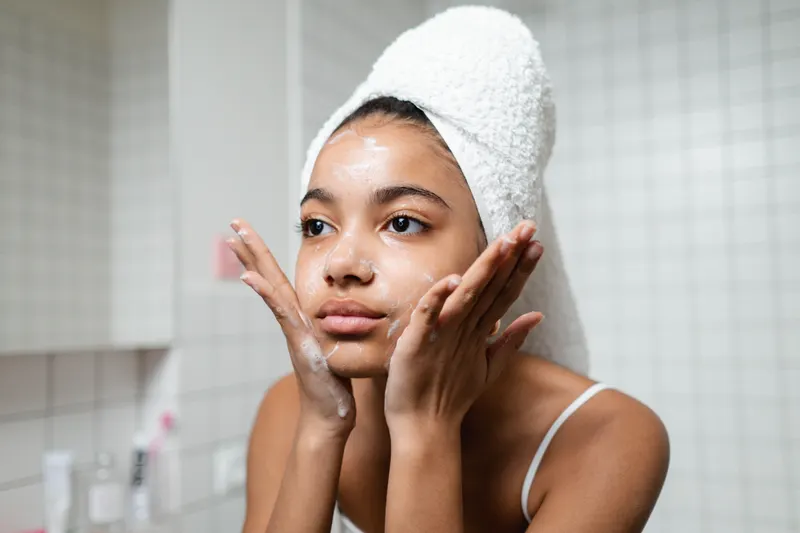
Most face paint made for skin comes off with water and a gentle cleanser. Wet the paint first so it softens, then wash with a mild cleanser or soap on a soft cloth or cotton pad, working in small circles rather than scrubbing. Go slowly around the eyes and lips, rinse well and pat the skin dry, then add a little moisturizer if it feels tight. Some colors, especially reds and blues, can leave a faint tint for a few hours that fades with gentle washing.
Take the paint off the same day, before bed, rather than letting it sit overnight on a pillow. If paint has dried in thick layers, hold a warm, damp cloth on the area for a few seconds so it lifts on its own instead of being rubbed. Glitter is best lifted with a piece of tape or a damp cotton pad pressed and lifted, not wiped across the skin, and never rubbed near the eyes. If the skin looks pink after removal, give it a few minutes; mild pinkness from washing usually settles quickly, while redness, itching or bumps that stay or spread are a sign of a reaction.
| Step | What to do |
|---|---|
| 1 | Wet the paint with warm water first, so it softens before you rub. |
| 2 | Use a gentle cleanser or a little mild soap on a soft cloth or cotton pad, and work in small circles. |
| 3 | Go slowly around the eyes and lips, and keep soap out of the eyes. |
| 4 | Rinse well and pat dry; a little moisturizer helps if the skin feels tight. |
| 5 | Reds and blues can leave a faint tint for a few hours; it fades with gentle washing, so don’t scrub. |
| 6 | If the skin stings, itches or swells after removal, rinse with cool water and ask a doctor if it doesn’t settle. |
Face paint patch test tips for parties
Put the patch test on your party plan two or three days out, so there’s time to test, wait and replace a paint if needed. Keep the paint you tested aside for the party, and don’t switch brands at the last minute without testing again. On the day, have plain water, wipes and a small towel at the painting station, so you can take paint off quickly if anyone feels itchy or uncomfortable, and send everyone home with a reminder to wash it off before bed.
Frequently asked questions
How long should a face paint patch test take?
The FDA suggests testing 24 to 48 hours before the event. Check the spot at both times.
Where do you do a patch test for face paint?
On the arm of the person who’ll wear the paint. The inner forearm is easy to see and check.
What does a reaction to face paint look like?
Redness, itching, swelling or a rash where the paint was. If you see any, don’t use that paint on the face.
Does the timer keep running if I close the page?
The timer reads the clock, so copy the link with the start time and open it later to see where you are. You can also download a calendar reminder.
How do I get face paint off without irritating skin?
Soften it with warm water, then wash gently with a mild cleanser and moisturize. Don’t scrub, especially near the eyes.
Does Reign Beauty Collective offer face painting?
No. Reign Beauty Collective offers hair and makeup for weddings, photoshoots, homecoming and prom in Tampa.
Sources
The patch test timing and place, and the points about approved colors and the eye area, follow the FDA pages below. The removal steps are general skin care guidance.
- Novelty Makeup, U.S. Food and Drug Administration. www.fda.gov/cosmetics/cosmetic-products/novelty-makeup (retrieved 2026-10-10)
- Halloween Safety Tips: Costumes, Candy and Colored Contact Lenses, U.S. Food and Drug Administration consumer update. www.fda.gov/consumers/consumer-updates/halloween-safety-tips-costumes-candy-and-colored-contact-lenses (retrieved 2026-10-10)
- Rule of Nines: Burns, Children, Adults, Wallace, and More, Healthline, medically reviewed by Alana Biggers, MD, MPH (July 19, 2018). www.healthline.com/health/rule-of-nines (retrieved 2026-10-11)
Last reviewed October 10, 2026 by the Reign Beauty Collective artist team, Tampa, Florida.
This page is general educational content from Reign Beauty Collective in Tampa, Florida. It is not professional, medical, or financial advice, and results vary. Please talk with a licensed professional about your own situation.