Quick Answer
Bridal hair and makeup work best when planned as one combined decision rather than two separate bookings, starting with a single overall aesthetic direction that shapes both. From there, a combined trial, a coordinated wedding morning schedule, and one team handling both services all help the finished look feel cohesive rather than like two unrelated choices layered on top of each other. This guide covers the whole process from planning through the wedding morning itself.
Bridal hair and makeup are often researched, booked, and planned as if they’re two completely separate decisions, when in reality they shape and depend on each other far more than most brides expect. In our experience, the brides who feel happiest with their finished look are the ones who think about hair and makeup together from the start, not the ones who nail down one first and try to fit the other around it later. This guide walks through why planning them together matters, how to land on one aesthetic direction for both, how a combined trial works, how the two get scheduled together on your wedding morning, and the mistakes we see most often when hair and makeup are planned in isolation.
Why Hair And Makeup Should Be Planned As One Decision, Not Two
Hair and makeup influence each other more directly than it might seem. A dramatic, sculptural updo can visually compete with a bold, full glam makeup look, while a softer, undone hairstyle often pairs better with something more understated on the face. Neckline exposure changes too, an updo that reveals more of your neck and shoulders shifts how much visual weight your makeup needs to carry on its own, and a face-framing style changes how your eye makeup reads from a distance.
Booking hair and makeup with one artist or one coordinated team, rather than two vendors who’ve never spoken to each other, also means someone is actually looking at the whole picture rather than each person focusing only on their own piece. Many brides find this is the single biggest reason a combined booking feels less stressful, there’s one point of contact thinking about how everything fits together, not two separate schedules and two separate visions to reconcile on your own.
There’s also a practical logistics benefit that’s easy to overlook until wedding morning is actually underway. Two separate vendors mean two separate arrival times, two separate setup areas, and two people who may not have ever discussed how long the other one needs. A coordinated team already knows how their own hair and makeup timing works together, which tends to mean fewer surprises and less scrambling if one part of the morning runs a little long.
Coordinating One Aesthetic Direction Across Hair And Makeup
Before getting into specific styles, it helps to land on a general aesthetic direction, romantic, classic, modern, or glam are common starting points, though plenty of brides land somewhere between two of them. This isn’t about boxing yourself into a rigid label, it’s a shared vocabulary that helps your hair and makeup artist make consistent choices across both services instead of guessing separately.
A romantic direction might mean soft waves paired with a dewy, warm-toned makeup look, while classic often pairs a polished, timeless updo with balanced, elegant makeup that won’t feel dated in photos years later. Modern tends to favor sleeker hair silhouettes with clean, precise makeup lines, and glam leans into bigger volume, more definition, and bolder color across both. Describing your general direction this way, rather than only bringing in separate hair inspiration and separate makeup inspiration, gives your artist a much clearer picture of the finished look you’re actually after.
It also helps to think about your venue and overall wedding aesthetic when landing on a direction. A rustic outdoor ceremony often pairs naturally with a more romantic or undone hair and makeup direction, while a formal ballroom reception can support a more polished, classic, or glam look without feeling out of place. None of this is a rule, plenty of brides intentionally contrast their beauty look with their venue, but it’s worth thinking about consciously rather than by accident.
How The Combined Trial Process Works
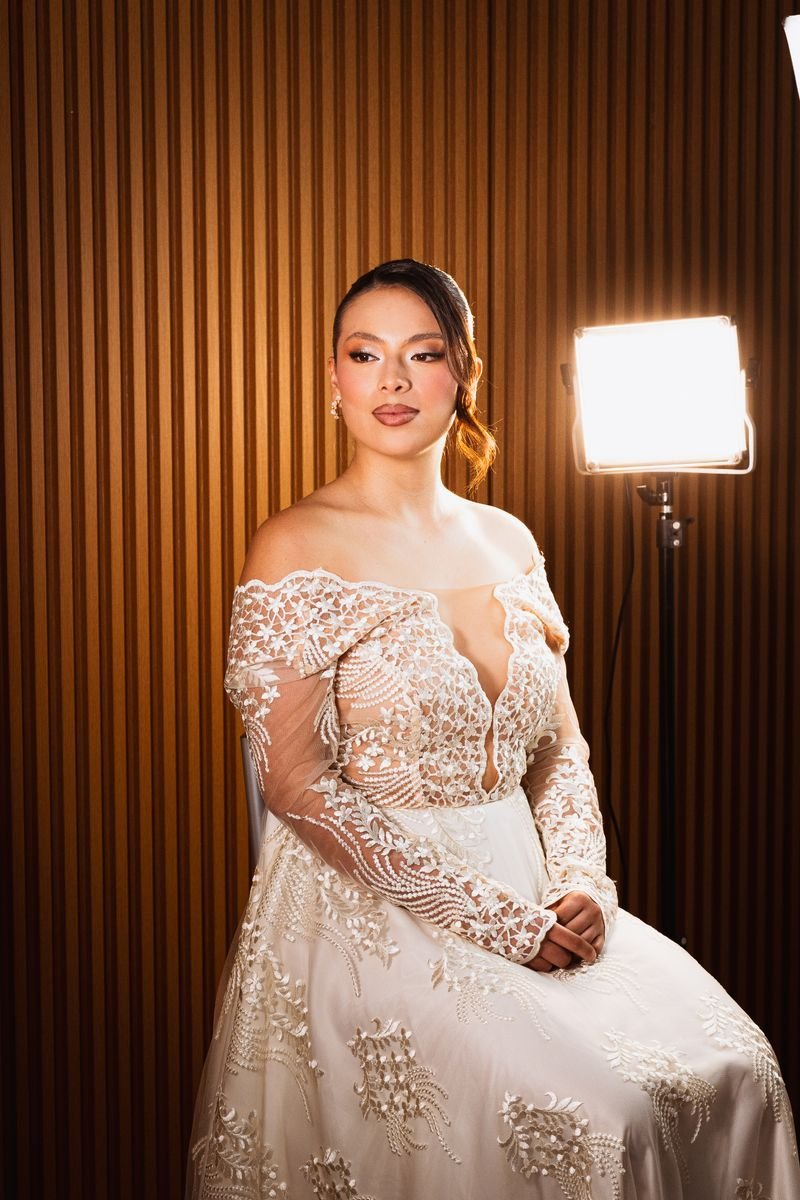
A combined trial, meaning hair and makeup tested together in one appointment rather than two separate sessions, is where your aesthetic direction actually becomes a finished look you can evaluate as a whole. It’s typically scheduled one to two months before the wedding, giving you time to make adjustments to either piece without wedding-week pressure.
Many brides find it helpful to bring reference photos for both hair and makeup, your veil or any hair accessories you plan to wear, and even a swatch or photo of your dress if possible, since fabric and neckline can influence both styling decisions. Seeing hair and makeup finished together, rather than approving each separately from photos taken at different times, is the whole point, it’s the only real way to judge whether the two genuinely work as one look.
How Hair And Makeup Scheduling Works Together On Your Wedding Morning
On the wedding morning itself, most artists apply makeup before styling hair, and there’s a practical reason for it beyond simple convenience. Doing hair first risks product, hairspray overspray, or stray hairs transferring onto freshly finished makeup, while makeup applied first has time to fully set before any hairstyling begins. It also means your artist can adjust your hairstyle around your finished face, tucking or framing pieces in a way that flatters the makeup that’s already there, rather than the reverse.
Timing-wise, many brides budget somewhere around sixty to ninety minutes for makeup and a similar window for hair, though this varies by style complexity and whether a bridal party is being styled too. A coordinated team scheduling both services back to back, rather than two separate vendors arriving at times that don’t quite line up, tends to make for a noticeably calmer wedding morning.
If you’re also getting your bridal party styled, the order can shift a little further, sometimes bridesmaids’ hair and makeup are staggered throughout the morning so the bride isn’t waiting on a crowded schedule, with the bride’s own services often placed last so she goes straight from the finishing touches into getting dressed. Working through this order with your artist ahead of time, rather than figuring it out morning-of, is one of the simplest ways to keep a full bridal party morning running smoothly.
Common Mistakes Brides Make When Planning Hair And Makeup Separately
One of the most common mistakes is choosing a hairstyle and a makeup look from two completely different inspiration boards without stepping back to see whether they actually complement each other. A style that looks stunning on its own in a photo can clash once it’s paired with an unrelated makeup look, simply because the two were never designed with each other in mind.
Booking two separate vendors who’ve never coordinated with each other is another common mistake, since it means no one is responsible for how the finished result comes together as a whole, and any scheduling overlap on the morning itself becomes your problem to manage rather than theirs. Skipping a combined trial, or trialing hair and makeup on two different days weeks apart, is a related mistake, since it’s genuinely hard to judge how a hairstyle and a makeup look work together from memory alone.
A less obvious mistake is assuming your hair and makeup artist automatically knows what the other one has planned just because they were both booked for the same wedding. If you are working with two separate people for any reason, make a point of introducing them, or at least sharing your combined trial photos with both, so neither one is styling in a vacuum.
What To Expect When You Book With Reign Beauty Collective
Reign Beauty Collective is a licensed, published on-location bridal hair and makeup team based in Tampa, Florida, serving brides throughout Tampa, St. Petersburg, Clearwater, Sarasota, Orlando, Miami, and beyond, with the ability to travel worldwide. We book hair and makeup together as one coordinated service, so your finished look is planned as a single vision from the very first consultation rather than pieced together from two separate vendors.
If you’re still exploring specific directions, our Ultimate Guide To Wedding Hairstyles and our Complete Guide To Bridal Makeup are good places to dig deeper into each side, and our Different Stages Of A Bridal Hair And Makeup Timeline walks through the full planning schedule. You can see current pricing on our Price List.
Ready To Book?
If you’re ready to plan your bridal hair and makeup as one cohesive look, Reign Beauty Collective would love to talk it through with you. Based in Tampa, FL and available throughout the Tampa Bay area, Orlando, Miami, and beyond, we coordinate both services from the very first consultation. Take a look at our Price List to see current pricing, then Book Online to check availability.
Frequently Asked Questions
I’m worried my hair and makeup styles will clash if I plan them separately, is that a real risk?
It can happen, especially when the two are chosen from completely unrelated inspiration without considering how they’ll look together. Planning bridal hair and makeup around one shared aesthetic direction from the start is the easiest way to avoid this.
Do I need one artist for both hair and makeup, or two separate people?
One coordinated team is generally easier to manage and tends to produce a more cohesive result, since someone is looking at the whole picture rather than two separate pieces. Reign Beauty Collective handles both hair and makeup together for exactly this reason.
How do I describe my overall vision if I’m not sure how to explain it?
Starting with a general direction, like romantic, classic, modern, or glam, gives your artist a shared starting point even before you’ve picked specific styles. Bringing a few reference photos for both hair and makeup helps fill in the rest during your consultation.
Does hair or makeup get done first on the wedding morning?
Most artists do makeup first, since it lets the makeup fully set before any hairstyling begins and avoids product or hairspray transferring onto a finished face. Your artist can then style your hair around your finished makeup for a more polished result.
How far in advance should I book a combined hair and makeup trial?
A combined trial usually happens one to two months before the wedding, which leaves enough time for adjustments without any wedding-week pressure. It’s worth booking your artist further in advance than that, especially during peak wedding season.