Rinse and squeeze out a make up sponge after every use, and wash it thoroughly as the maker’s label says. Dermatologists suggest washing foundation and concealer brushes once a week, eyeshadow and eyeliner brushes every two weeks, and powder and blush brushes once a month. Replace a sponge when it tears, stays stained or smells, and a brush when it frays or loses its shape.
Make Up Sponge and Brush Cleaning Schedule: How Often to Wash Each
A make up sponge or a foundation brush picks up oil, skin cells and product every time you use it, and a damp sponge is exactly the kind of place bacteria and yeast like. Washing them on a schedule keeps your makeup going on smoothly and keeps old product off your skin. The hard part is knowing how often, because advice online ranges from after every use to whenever you remember.
This schedule uses only dermatologist guidance. Tick the brushes and sponges you use, say how often you wear makeup and whether anyone else uses your kit, and you’ll get how often to wash each tool, your next wash dates, when to replace it and the washing method, as a card you can print.
Make your brush and sponge cleaning schedule
Tick the tools you use, then say how often you wear makeup and whether anyone else uses your kit. You’ll get how often to wash each one, your next wash dates, when to replace it and how to wash a brush, as a card you can print.
Your privacy: Everything you enter stays on your device. This page does not send, save, or share your answers, and you do not need an account or an email address. If you copy a share link, your answers are stored inside the link, so only share it with people you trust.
These are general guidelines. Throw a product out sooner if it changes smell, color or texture, or if you ever have an eye infection (discard eye makeup used while infected). When in doubt, replace it.
This page is general beauty education. It is not styling, cosmetic, dermatological, or medical advice.
How the cleaning schedule works
Each tool has its own frequency, because what it touches matters. Brushes used with liquid and cream products, like foundation and concealer, hold the most product and moisture, so they need washing most often among brushes. Eye brushes come next, because the skin around the eyes is delicate and eye infections are a real risk. Powder brushes stay drier and can go longer. Sponges used with liquid makeup stay damp, so they need attention after every use. The schedule adds your next wash dates from today and adjusts the wording if you wear makeup only now and then.
How often to wash a make up sponge
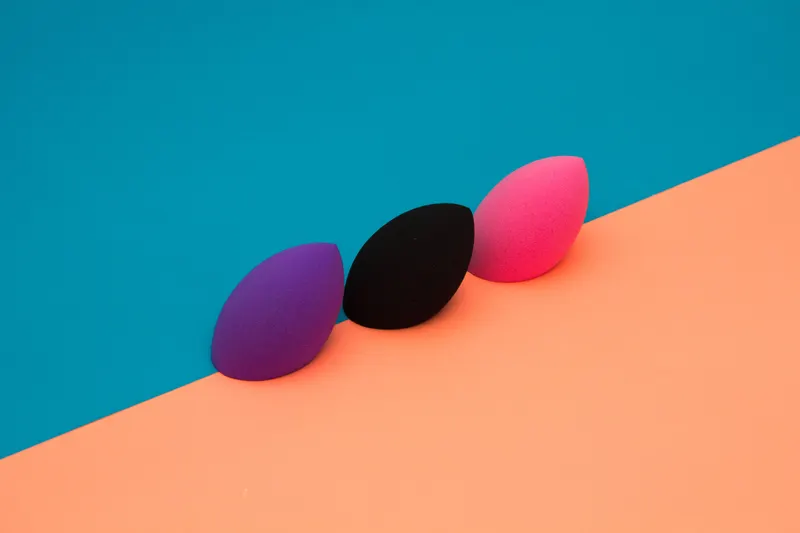
A make up sponge used with liquid foundation or concealer should be rinsed and squeezed out after every use, as Geisinger’s dermatology guidance suggests, and washed thoroughly the way the maker’s label describes. Squeeze it under warm water with a little mild soap until no more color comes out, rinse, squeeze it in a clean towel and let it dry fully in the open air, not in a closed bag or drawer. A sponge that’s still damp the next morning is the one to worry about.
When to replace a make up sponge or cosmetic sponge
None of our sources give a fixed number of weeks for replacing a sponge, so the schedule doesn’t invent one. Replace it when it tears or crumbles, when it stays stained after a proper wash, or when it smells, and follow the maker’s label for how long it’s meant to last. Cosmetic sponges sold in multipacks are often meant to be used once or a few times and then thrown away, so check the pack.
How often to wash makeup brushes
Cleveland Clinic’s dermatologist guidance is the clearest: brushes used with wet products like foundation and concealer once a week, brushes used around the eyes every two weeks, and brushes used with dry products like powder and blush once a month. Geisinger’s dermatologist suggests every seven to 10 days for brushes in general, which lines up with the weekly wash for your most-used brushes. Replace a brush when it frays, sheds or no longer holds its shape after washing.
The full schedule
| Tool | Wash | Replace | Source |
|---|---|---|---|
| Foundation and concealer brushes | Once a week | When the bristles fray, shed or lose their shape. | Cleveland Clinic |
| Eyeshadow and eyeliner brushes | Every two weeks | When the bristles fray, shed or lose their shape; right away after an eye infection. | Cleveland Clinic |
| Powder, blush and bronzer brushes | Once a month | When the bristles fray, shed or lose their shape. | Cleveland Clinic |
| Makeup sponges | Rinse and squeeze it out after every use, and wash it thoroughly the way the maker’s label says | When it tears, crumbles, stays stained after washing or smells; follow the maker’s label for how long it lasts. | Geisinger |
| Lip brushes | Once a week, like other brushes used with creamy products | When the bristles fray or lose their point. | Cleveland Clinic (wet products) |
Washing tools before a wedding
If you’re doing your own makeup for a wedding or a big event, plan a full wash of every brush and sponge two or three days ahead. That gives everything time to dry completely, including dense foundation brushes, which can stay damp at the base of the bristles for longer than they look. Pack a fresh sponge or two in your touch-up kit, and keep the brushes you’ll use for touch-ups separate from the ones you used in the morning.
How to wash a makeup brush
Rinse just the tip under warm water, pointing down so water doesn’t run into the handle. Work in a drop of mild soap, such as baby shampoo or dish soap, on your palm. Rinse until no more color or suds come out, squeeze out the water and reshape the bristles. Then lay it flat on a towel with the bristles hanging over the edge of the counter and let it dry overnight. Don’t dry brushes upright, because water runs down into the handle and loosens the glue over time.

Signs a brush or sponge needs washing now
The schedule is a minimum, not a maximum. Wash a tool sooner if foundation looks streaky or patchy when it usually doesn’t, if a brush feels stiff or the bristles clump together, if a sponge has dark patches of old product or feels slimy, or if anything smells. Wash brushes right away after you’ve had a breakout you’ve been covering, a cold sore or an eye infection, and replace eye products and sponges used during an eye infection rather than washing them. In hot, humid weather, sponges take longer to dry, so give them extra time in the open air before putting them away.
Storing brushes and sponges between washes
Where tools live between washes matters almost as much as how often you wash them. Store dry brushes upright in a cup or flat in a roll so the heads keep their shape, and keep them out of a steamy bathroom if you can. Never put a damp sponge in a closed makeup bag or drawer; leave it on a shelf where air can reach it until it’s fully dry. When you travel, carry sponges in a breathable pouch rather than a sealed plastic bag, and pack a spare so you’re never using one that hasn’t dried.
Don’t share brushes, sponges or makeup
Dermatologists and the FDA agree: sharing brushes, sponges or makeup can pass on an infection. If you do a friend’s makeup, use separate, freshly washed tools for each person, the way professional artists do. Before a wedding or event, wash everything two or three days ahead so it’s fully dry, and pack spares.
How long does makeup last?
Makeup doesn’t last forever, and eye products have the shortest life. The FDA says there’s no U.S. law requiring cosmetics to have expiration dates, but manufacturers usually recommend throwing out mascara two to four months after you buy it, and eye-area products in general have shorter shelf lives than other makeup. Throw out mascara that has dried out rather than adding water, and anything that separates, cracks or changes color, smell or texture.
| Product | Guidance |
|---|---|
| Mascara | Manufacturers usually recommend throwing it out two to four months after purchase. Throw out mascara that has dried out; never add water or saliva. |
| Other eye products | Eye-area products tend to have shorter shelf lives than other makeup, and old ones can cause eye infections. |
| Everything else | No U.S. law sets a shelf life. Follow the label, and throw a product out if it separates, cracks, dries out or changes color, smell or texture. |
| Every product | Keep containers and applicators washed and away from heat, such as a hot car, and don’t share makeup. |
Frequently asked questions
How often should I wash my make up sponge?
Rinse and squeeze it out after every use with liquid makeup, and wash it thoroughly as the label says. Let it dry fully in the open air.
How often should I wash makeup brushes?
Foundation and concealer brushes weekly, eye brushes every two weeks and powder brushes monthly. That follows Cleveland Clinic dermatologist guidance.
When should I replace a cosmetic sponge?
When it tears, crumbles, stays stained or smells. Follow the maker’s label for how long it’s meant to last.
How long does mascara last?
Manufacturers usually recommend throwing it out two to four months after purchase, according to the FDA. Throw it out sooner if it dries out.
Can I share makeup brushes?
It’s best not to. Sharing brushes, sponges or makeup can pass on an infection.
Do Reign Beauty Collective’s artists use fresh tools?
Yes. Our artists wash brushes between clients and use a fresh sponge for every face.
Sources
Every washing frequency comes from the dermatologist guidance below, and the shelf-life table follows the FDA. Where a source gives no number, the schedule doesn’t invent one.
- How To Clean Your Makeup Brushes, Cleveland Clinic Health Essentials, with dermatologist Melissa Piliang, MD (October 29, 2025). health.clevelandclinic.org/cleaning-makeup-brushes (retrieved 2026-10-11)
- How often should you clean your makeup brushes?, Geisinger, with dermatologist Mary Brady, MD (July 22, 2022). www.geisinger.org/health-and-wellness/wellness-articles/2022/07/22/17/24/how-often-should-you-clean-your-makeup-brushes (retrieved 2026-10-11)
- Shelf Life and Expiration Dating of Cosmetics, U.S. Food and Drug Administration (current as of February 25, 2022). www.fda.gov/cosmetics/cosmetics-labeling/shelf-life-and-expiration-dating-cosmetics (retrieved 2026-10-11)
Last reviewed October 11, 2026 by the Reign Beauty Collective artist team, Tampa, Florida.
This page is general educational content from Reign Beauty Collective in Tampa, Florida. It is not professional, medical, or financial advice, and results vary. Please talk with a licensed professional about your own situation.