Quick Answer
Paints for face used in creative or editorial makeup should always be genuinely cosmetic-grade, formulated and tested specifically for skin contact, never a craft or non-cosmetic paint regardless of similar color or convenience. Choosing the right cosmetic-grade product, patch testing it, and using proper application and removal technique together determine whether a creative face-paint look is both beautiful and genuinely skin-safe. In our experience, this distinction is the single most important thing to understand before buying any face paint.
Anyone shopping for paints for face for a creative or editorial photoshoot quickly discovers there’s a wide range of products marketed for many different uses, not all of them genuinely safe for skin. As a Tampa-based team that regularly works on artistic photoshoots alongside our core bridal services, we wanted to lay out exactly what makes a paint genuinely face-safe.
What Makes A Paint Genuinely Cosmetic-Grade And Face-Safe
A genuinely cosmetic-grade paint is formulated and tested specifically for use on skin, with ingredients selected for both safety and workability, and it will clearly state this on its packaging or the manufacturer’s product information. Craft paint, poster paint, and general art supplies are never intended for skin contact, regardless of how similar a color might appear on a shelf, and should never be substituted for a proper cosmetic product.
Buying from established professional cosmetic or editorial makeup suppliers, rather than general craft or party supply retailers, is the most reliable way to ensure a product is genuinely safe for facial use. This single check matters more than any other factor covered in this guide.
A clear ingredient list and transparent allergen information are also good signs of a genuinely cosmetic-grade product, while a vague or missing ingredient list, or packaging that doesn’t specify facial use, are worth treating as red flags regardless of how convenient or inexpensive a product seems.
How Creative Face Paint Is Used In Editorial And Artistic Photoshoot Makeup
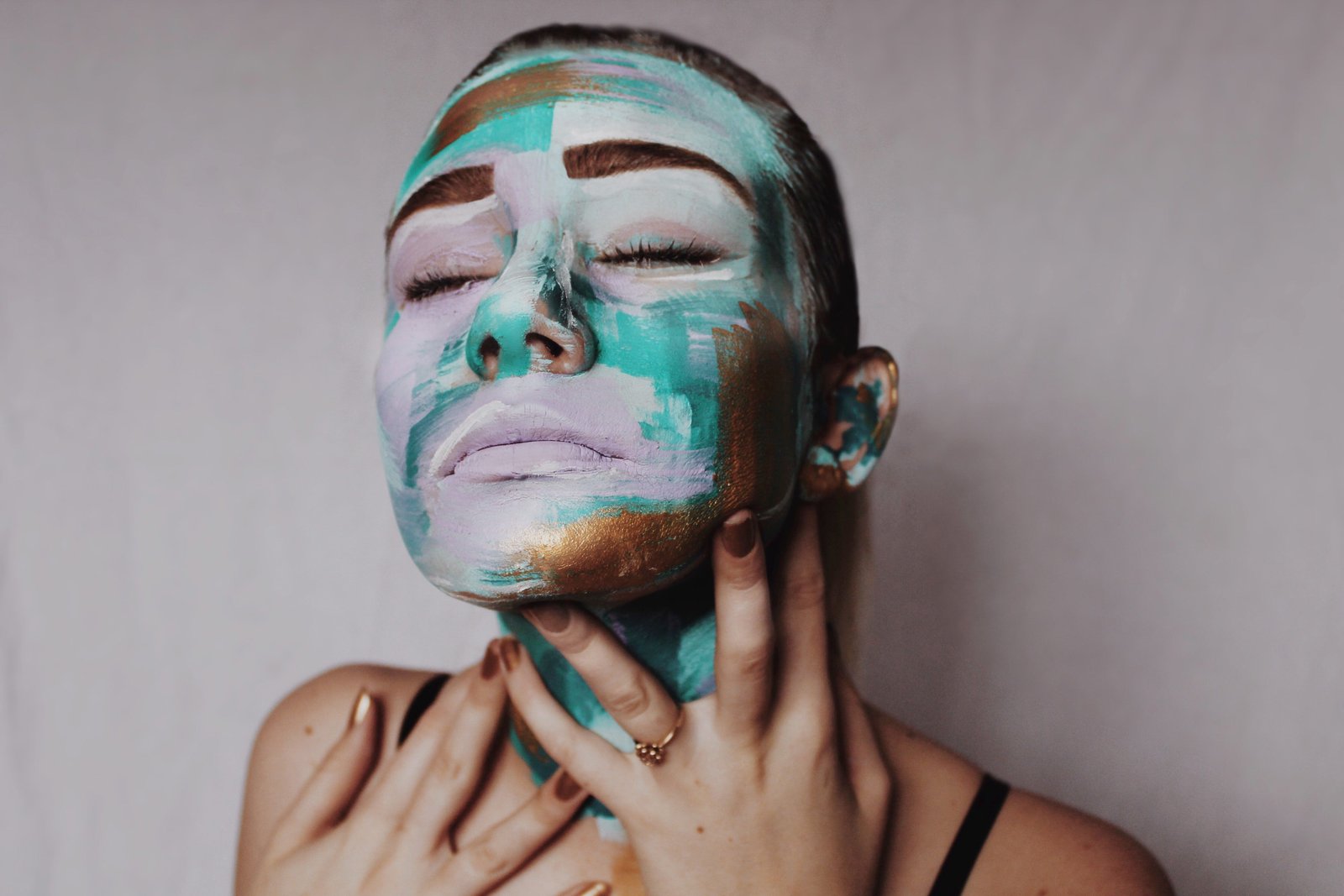
In editorial and artistic photography, cosmetic-grade face paint opens up creative possibilities traditional makeup alone can’t achieve, bold color blocking, graphic linework, gradient washes, and dramatic effects that play with light and shadow in genuinely striking ways. It’s a popular tool for avant-garde bridal editorials and high-fashion styled shoots specifically, where the goal is artistic impact rather than traditional beauty application.
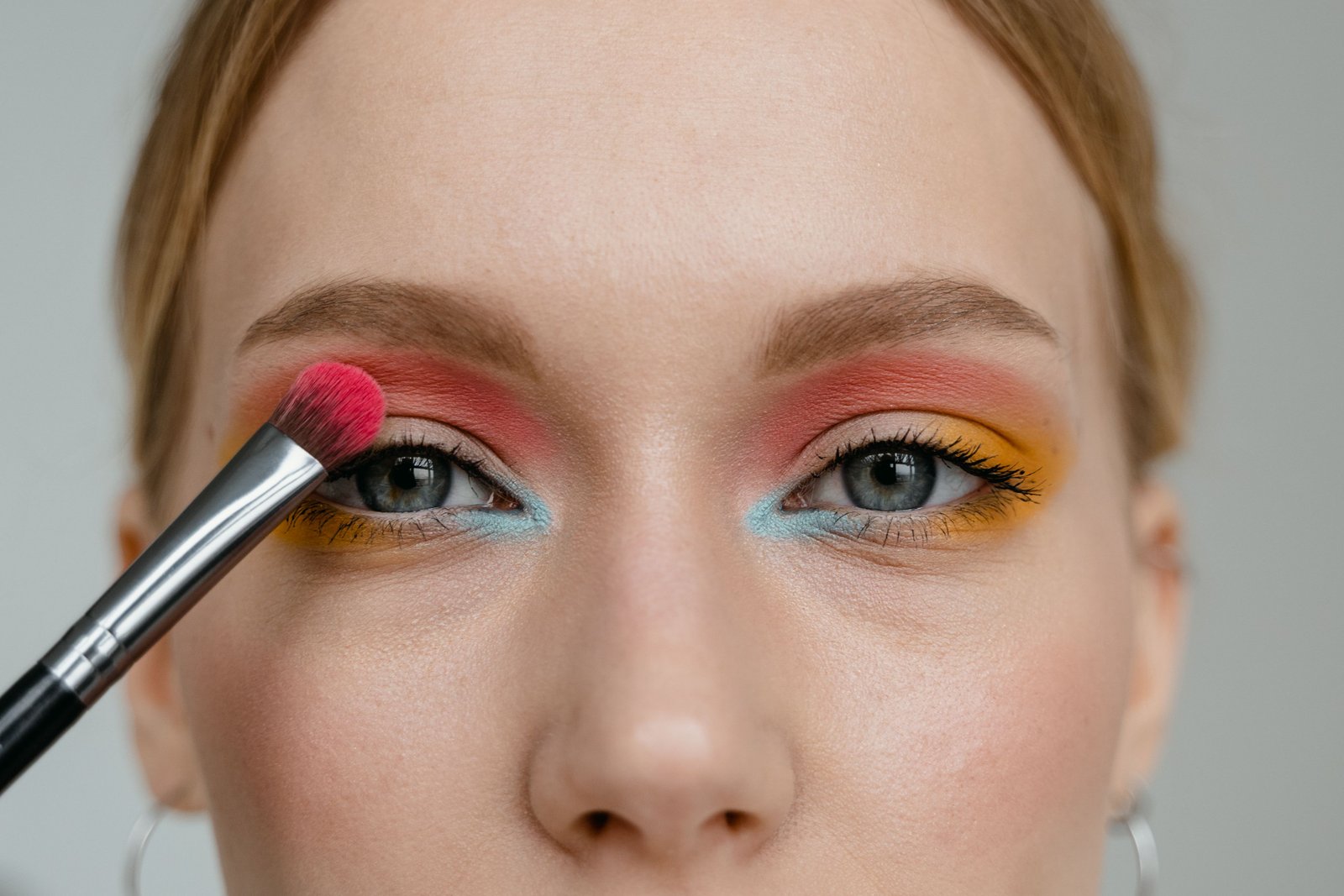
Artists often combine face paint with traditional makeup elements, a bold graphic eye alongside painted color on the cheeks, for instance, to create a cohesive, fully-realized creative concept rather than treating the paint as an isolated element.
Concept and lighting shape technique choices too, a soft, natural-light shoot generally suits more delicate, blended application, while a high-contrast studio setup can support bolder, more graphic color work that would otherwise look flat under softer lighting conditions.
Patch Testing And Application Technique For Sensitive Skin
A patch test, applying a small amount of product to the inner arm and waiting at least a day to check for any reaction, is genuinely worth doing before any new product goes anywhere near a full face, especially for anyone with sensitive or reaction-prone skin. This simple step, skipped far too often, is the most reliable way to avoid discovering a sensitivity for the first time on an actual shoot day.
For application itself, starting with clean, well-moisturized skin and a compatible primer helps face paint sit more evenly and reduces the chance of irritation from product settling into dry patches. Building color in thin layers rather than one heavy application also reduces both the visual risk of cracking and the amount of product sitting directly against skin at any one time.
How To Remove Face Paint Properly Without Irritating Skin
Gentle removal matters as much as careful application. A proper makeup remover or cleansing oil designed to break down pigment lets face paint lift away without the aggressive scrubbing that can genuinely irritate skin, particularly after a long shoot day. Cosmetic-grade paint is designed to come off with reasonable effort using standard removal products.
Following removal with a gentle cleanser and a genuinely hydrating moisturizer helps skin recover, especially after multiple looks or a longer shoot. If any product consistently proves difficult to remove without harsh scrubbing, that’s worth treating as a sign to switch products for future shoots rather than pushing through with more aggressive removal.
For a shoot day involving multiple looks, giving skin a brief break with a quick cleanse between full removals, rather than layering fresh paint over old, unremoved product, helps avoid buildup and keeps skin more comfortable through a long day of creative work.
Common Mistakes People Make With Face Paint
The most serious mistake is substituting a non-cosmetic paint for convenience or cost, which genuinely risks skin irritation or reaction regardless of how similar the color looks to a proper cosmetic product. Skipping a patch test before a shoot, especially with a new product or brand, is another common and easily avoidable mistake.
Applying paint too thickly in one pass, rushing skin prep, and using the wrong removal technique all commonly lead to a less polished result and unnecessary skin irritation. Working with an artist experienced in cosmetic-grade face paint specifically is the most reliable way to avoid these mistakes on an important shoot.
How Reign Beauty Collective Approaches Creative Photoshoot Makeup
Creative and editorial photoshoot makeup is part of the range of services we offer alongside our core bridal work, and genuine cosmetic-grade formulation is never negotiable regardless of how bold a creative concept calls for the final look to be. We always patch test new products and prioritize careful application and removal technique on every shoot.
If you’re planning a creative photoshoot, we’d love to talk through your concept and how face paint could bring it to life safely. Our guide on white face paint specifically goes deeper into one of the most requested creative color choices, and you can see more of our work on our Bridal Hair & Makeup page.
Ready To Book?
If you’re planning a creative or editorial photoshoot and want an artist who prioritizes genuinely skin-safe products, Reign Beauty Collective would love to help bring your concept to life. Based in Tampa, FL, our artists balance bold artistic vision with real skin safety. Take a look at our Price List, then Book Online to check availability.
Frequently Asked Questions
How do I know if a face paint is actually safe for my skin?
Check that it’s explicitly labeled cosmetic-grade and intended for facial use, buy from an established professional supplier, and always do a patch test on your inner arm at least a day before full application, especially with sensitive skin.
Does face paint stain skin?
A genuine cosmetic-grade product typically doesn’t cause lasting staining when removed properly with the right products, though very deeply pigmented colors may leave a faint trace for a few hours that fades on its own.
How long does it take to remove face paint fully?
With a proper makeup remover or cleansing oil, most cosmetic-grade face paint comes off within a few gentle passes. Rushing removal or using harsh scrubbing instead tends to take longer and risks irritating skin.
Is craft paint ever an acceptable substitute?
No, never. Craft and non-cosmetic paints are not formulated or tested for skin contact and should never be used on the face, regardless of how similar a color might look to a cosmetic product.
Can face paint be used for a bridal editorial shoot?
Yes, cosmetic-grade face paint is a popular choice for avant-garde or artistic bridal editorial concepts, creating striking effects traditional makeup alone can’t achieve.
Does Reign Beauty Collective offer creative face paint looks?
Yes, creative and editorial photoshoot makeup is part of what we offer, always using genuinely cosmetic-grade, skin-safe products with proper patch testing and technique.