Quick Answer
White setting powder is a translucent powder makeup artists use to set and “bake” foundation and concealer for a long-lasting, crease-resistant finish. It works beautifully for many skin tones, but on deeper skin specifically, it can sometimes cause a white or gray cast known as flashback under camera flash, so it’s worth understanding this trade-off before relying on it heavily for a photographed event. In our experience, knowing when and how much to use matters more than avoiding the product altogether.
White setting powder and the “baking” technique built around it show up constantly in makeup tutorials, but a lot of that content skips an honest conversation about how the technique performs across different skin tones. As a Tampa-based bridal and event beauty team working with brides of every skin tone, we think that honesty matters, so here’s a genuinely balanced breakdown of white setting powder.
What Translucent White Setting Powder Is And How Baking Works
Translucent white setting powder is a finely milled powder designed to set makeup without adding additional color or coverage of its own, letting the foundation and concealer underneath show through while locking everything in place. Baking specifically refers to applying a generous amount over concealer or foundation, letting it sit for five to ten minutes so body heat helps it set firmly, then dusting away the excess, a technique that creates an especially long-lasting, crease-resistant finish underneath.
The technique became popular because it genuinely works for extending wear time in areas prone to creasing, like under the eyes, and for photography where a smooth, set base holds up better than one still settling into fine lines hours later. Used correctly, it’s a legitimate professional technique, not just a social media trend.
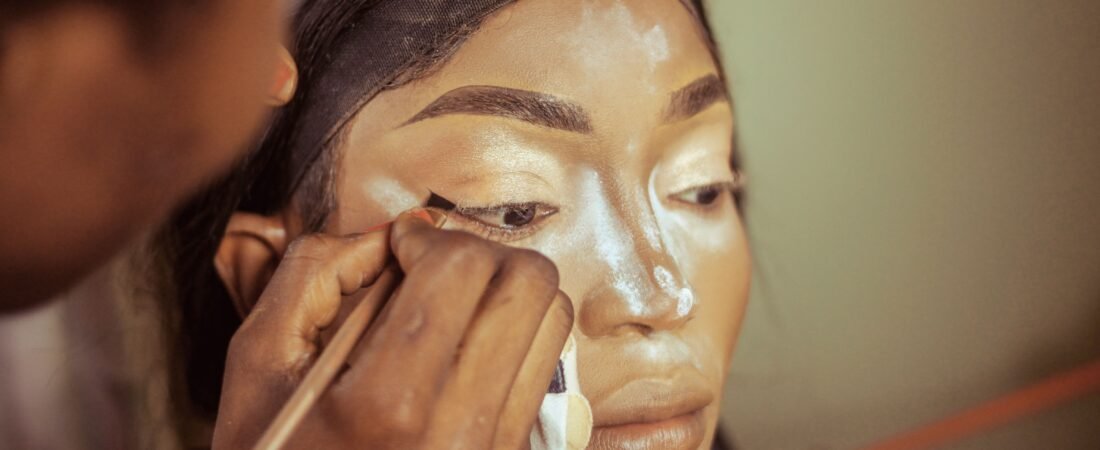
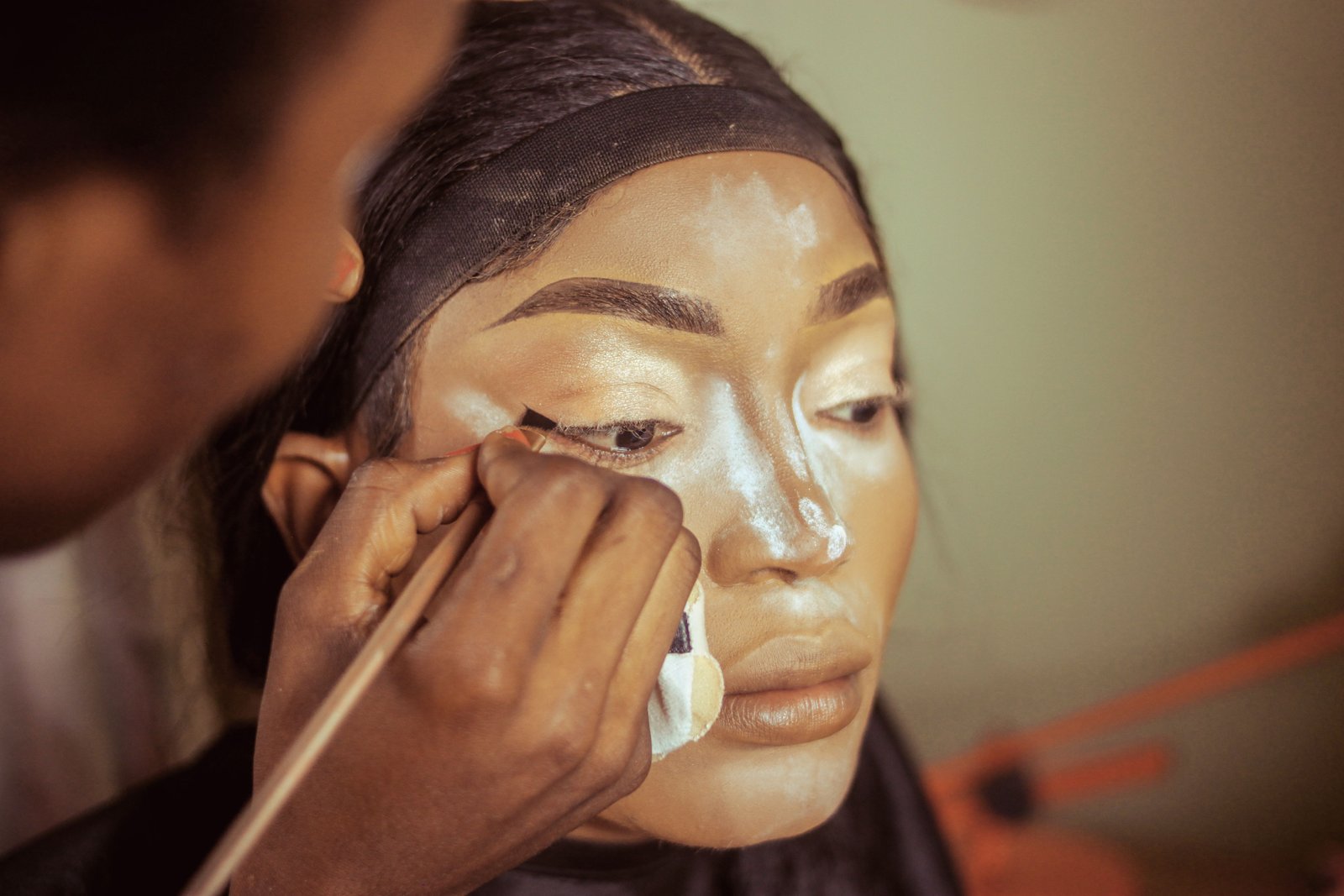
The technique also works well specifically under the eyes because concealer applied there tends to be thicker and more prone to creasing than foundation elsewhere on the face, and baking helps that thicker product set into a smooth, crease-resistant layer that holds up through hours of talking, smiling, and expression.
Honestly Addressing Flashback Risk, Especially On Deeper Skin Tones
Flashback happens because certain ingredients in translucent powder, often titanium dioxide or zinc oxide, reflect light from a camera flash, creating a visible white or gray cast in photos even when the skin looks completely fine in person. This effect is genuinely more noticeable on deeper skin tones, where the contrast between the skin’s natural depth and the reflected white cast is more visually obvious than it tends to be on very fair skin.
This is a gap a lot of baking tutorials skip entirely, focusing purely on the technique without addressing that the amount of powder used in a classic baking method can meaningfully increase flashback risk for many skin tones, deep skin especially. Many artists work around this by using noticeably less powder specifically for camera-heavy events, or skipping the full baking technique in favor of lighter, targeted setting in just the areas that need it most.
Proper Application Amount And Technique To Avoid A Cakey Finish
Using a damp sponge to press, rather than swipe, powder into targeted areas, under the eyes, around the nose, along the smile lines, tends to produce a much more controlled result than dusting powder broadly across the entire face. Letting the powder sit undisturbed for the full baking time before brushing it away, rather than rushing this step, gives it time to genuinely set rather than just sitting loosely on top of the skin.
The final brush-away step matters just as much as the application itself. Using a clean, fluffy brush to sweep away every bit of excess powder, not just the obviously visible portions, removes the loose product most likely to cause both a cakey appearance and flashback in photos, leaving behind only what actually set into the makeup underneath.
Alternatives For Skin Tones Where Translucent White Powder Tends To Cause Flashback
For skin tones prone to flashback with a classic translucent white powder, a tinted or color-matched setting powder is often a better alternative, offering similar crease-resistant setting power without the reflective white cast under flash. Many artists working with deeper skin tones default to these tinted formulas specifically for events where photography is a priority.
Another practical option is using a much lighter amount of translucent powder, focused only on the areas most prone to creasing, rather than a full baking application everywhere. Testing your specific product and technique in a flash photo ahead of a major event is the most reliable way to know whether it works for your skin, rather than assuming any single product performs identically on everyone.
A third option worth mentioning is switching to a color-correcting powder instead of a plain translucent one, since some formulas blend a very faint tint into the powder specifically to counteract flashback without adding visible coverage. Testing a few of these options side by side under real flash conditions is worth the time investment ahead of a major event.
Common Mistakes People Make With White Setting Powder
The most common mistake is using a full, generous baking application without ever testing it under flash photography beforehand, then discovering the flashback issue for the first time when photos come back looking off. Another common mistake is assuming more powder always means longer wear, when in reality excess powder mainly increases the risk of a cakey texture and flashback without meaningfully extending wear time further.
Skipping the brush-away step, or rushing it, is another frequent error that leaves visible loose powder behind, worsening both texture and flashback risk. Many people also use the same setting powder for every occasion without considering whether a tinted alternative might genuinely serve them better for a specific photographed event.
How Reign Beauty Collective Sets Makeup For Every Skin Tone
Setting technique is something we take seriously for every bride, regardless of skin tone, since flashback is a genuinely avoidable problem with the right product choice and technique. We test setting powder against flash photography specifically during your trial, choosing translucent, tinted, or a targeted combination based on what actually performs best for your individual skin tone.
This kind of testing is exactly why a trial matters so much before your actual wedding day. You can see more of our approach to long-wear, photo-ready makeup on our Bridal Hair & Makeup page, and our guide on flawless contouring covers related base makeup technique.
Ready To Book?
If you want your makeup tested against real flash photography before your wedding day, not just how it looks in the mirror, Reign Beauty Collective would love to help during a trial. Based in Tampa, FL, our artists set makeup with your exact skin tone and your photography in mind. Take a look at our Price List, then Book Online to check availability.
Frequently Asked Questions
Will flashback ruin my wedding photos?
Not if it’s tested and addressed ahead of time. Testing your setting powder under flash photography during your trial is the most reliable way to catch and correct this issue well before your actual wedding day.
Does white setting powder work for deeper skin tones?
It can, but flashback risk is genuinely higher on deeper skin with a heavy, classic baking application. A tinted setting powder or a lighter, more targeted application often works better for deeper skin tones.
How much white setting powder should I actually use?
Less than most baking tutorials show, especially for photographed events. Targeting just the areas prone to creasing, rather than a full generous application everywhere, tends to reduce flashback risk while still extending wear time.
Is baking still worth doing if I’m worried about flashback?
Yes, with adjustments. A lighter, more targeted application, or switching to a tinted powder for flashback-prone skin, lets you keep the crease-resistant benefits of baking without the flash photography risk.
How do I know if my setting powder will cause flashback?
Testing with an actual flash photo, ideally during a bridal trial well before your event, is the only reliable way to know. Mirror appearance alone doesn’t predict how a product will photograph under flash.
Does Reign Beauty Collective account for flashback risk in bridal makeup?
Yes, we test setting technique against flash photography during every trial, choosing the right approach for each bride’s individual skin tone rather than defaulting to one method for everyone.