Quick Answer
White face paint used in creative and editorial photoshoot makeup should always be a cosmetic-grade, skin-safe formula specifically made for use on the face, never a craft or non-cosmetic paint. Applied properly, it can create striking artistic effects for avant-garde bridal editorials or styled creative shoots, but skin safety always comes first when choosing a product. In our experience, the difference between a beautiful editorial look and a skin reaction almost always comes down to whether the paint was actually formulated for skin in the first place.
White face paint shows up in some of the most striking editorial and avant-garde bridal photography out there, but there’s real confusion online about what’s actually safe to put on skin versus what’s meant for other surfaces entirely. As a Tampa-based team that regularly works on creative and editorial photoshoots alongside our bridal services, we wanted to lay out exactly what to know before using white face paint for a shoot.
Cosmetic-Grade Versus Craft Paint: A Genuine Safety Matter
This distinction matters more than almost anything else in this article. Cosmetic-grade face paint is formulated and tested specifically for use on skin, typically water-activated or cream-based, with ingredients selected to minimize irritation and to be genuinely removable without excessive scrubbing. Craft paint, poster paint, and other non-cosmetic formulas are never intended for skin contact and should never be substituted for a proper cosmetic product, regardless of how similar the color might look.
Always check that any face paint is explicitly labeled as cosmetic-grade and intended for skin use before buying, and look for products from established professional editorial makeup suppliers rather than general craft or art supply brands. This single check is the most important step in this entire guide, and it’s worth never skipping regardless of how convenient another paint might seem.
Ingredient lists are worth a closer look too, not just the front-of-package labeling. A genuine cosmetic-grade product will list its ingredients clearly and typically include information about allergens or sensitivities on the packaging or the brand’s website. If a product is vague about its ingredients or doesn’t clearly state it’s intended for facial use, that’s a real red flag worth taking seriously rather than assuming the best.
How White Face Paint Is Used In Editorial And Artistic Photoshoot Makeup
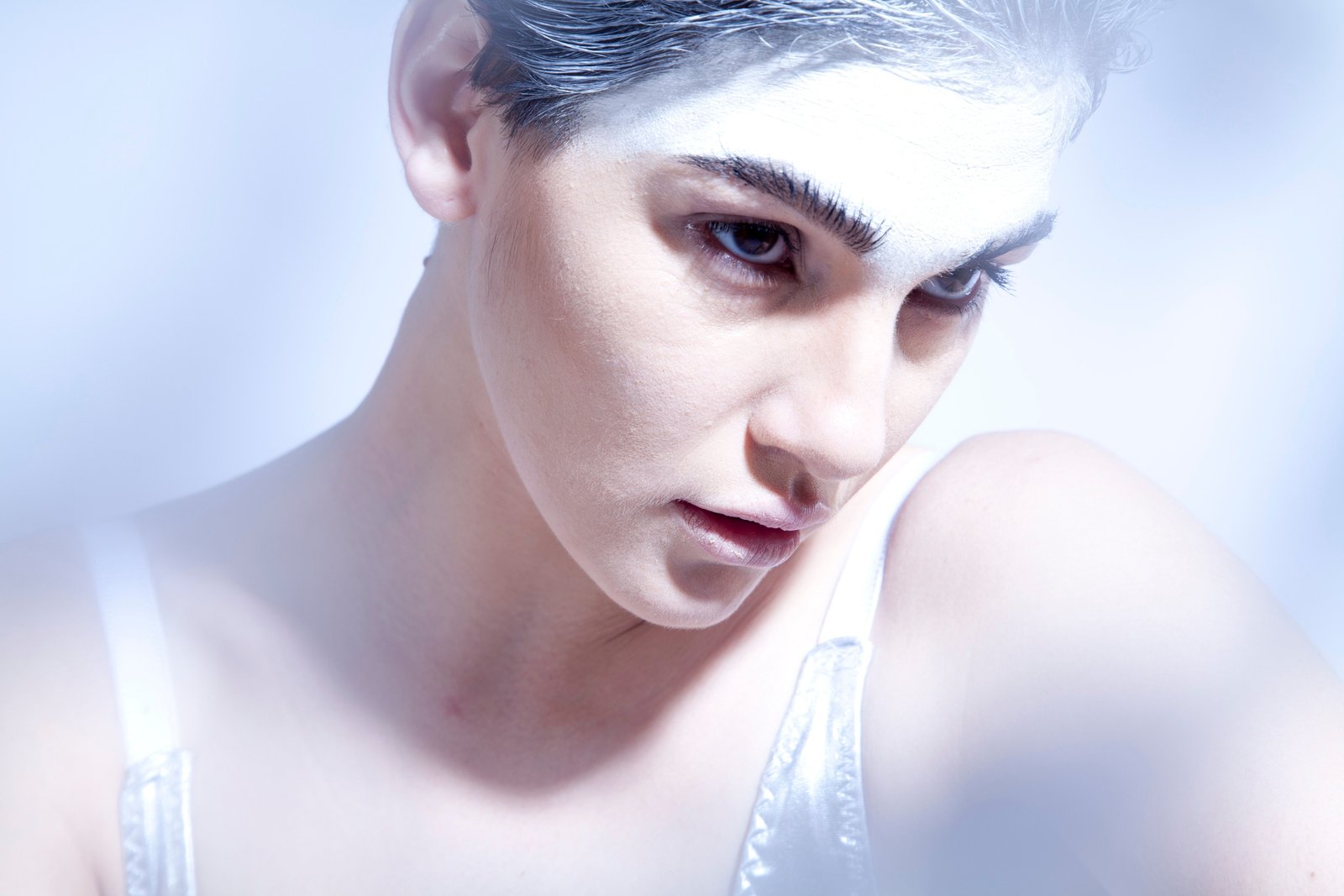
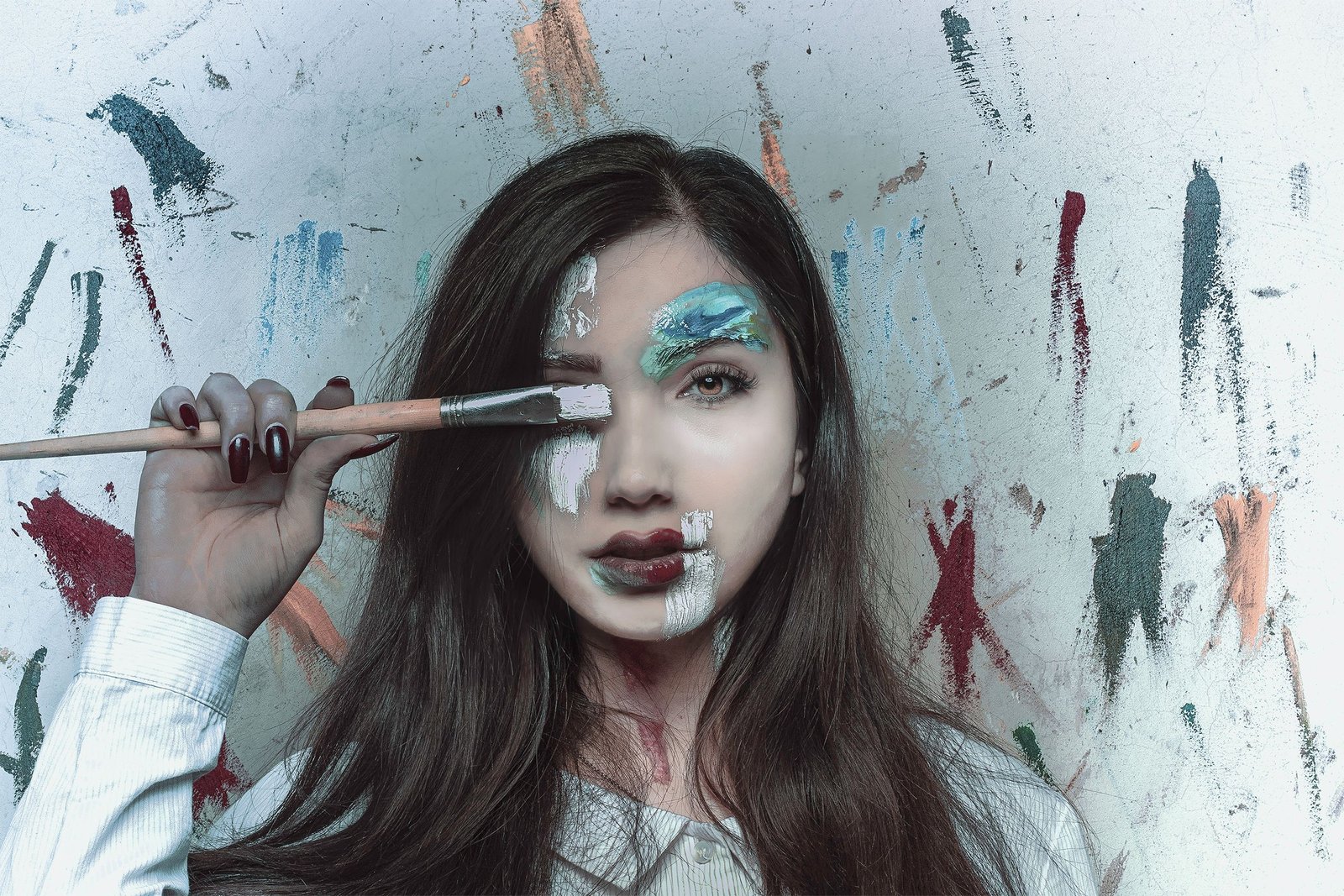
In creative and editorial work, white face paint is often used to create dramatic, sculptural effects, geometric shapes, gradient washes, or full coverage looks that play with light and shadow in ways traditional makeup can’t achieve alone. It’s particularly striking in avant-garde bridal editorials, where a stark white base paired with unexpected color accents can create a genuinely artistic, high-fashion image distinct from traditional bridal beauty.
Artists often layer white face paint with other cosmetic-grade products, working it alongside traditional makeup elements like defined brows or a bold lip to create contrast, or blending it into the hairline and neck for a fully immersive, editorial effect. The versatility of the look depends heavily on the quality and workability of the paint itself, which is another reason cosmetic-grade formulas matter so much for a genuinely polished result.
Lighting and photography style also shape how a white face paint look is designed. A high-contrast, harshly lit editorial shoot calls for a different application approach than a softer, more romantic natural-light shoot, since flat white paint can either read as bold and graphic or soft and ethereal depending entirely on how light interacts with it. Discussing the intended lighting setup with your artist ahead of time helps shape a more intentional final look.
Application Technique For An Even, Non-Cracking Finish
Skin prep genuinely matters before any face paint goes on. Starting with clean, well-moisturized skin, then applying a thin layer of a compatible primer, helps the paint sit more evenly and prevents it from settling into fine lines or dry patches. Building white face paint in thin layers rather than one heavy application is the most reliable way to avoid the cracking and uneven texture that a single thick coat tends to create as it dries.
A damp sponge, rather than fingers or a dry brush, typically gives the smoothest, most even application for cream or water-activated formulas, and setting the finished look with a light, translucent powder specifically formulated to work with face paint can help extend wear time and reduce transfer during a shoot.
Removal And Skin Care Afterward
Removal should always be gentle, using a proper makeup remover or cleansing oil designed to break down pigment without requiring aggressive scrubbing, which can irritate skin that’s already had a full shoot day. A cosmetic-grade white face paint should come off with reasonable effort using standard makeup removal products, and if a product is consistently difficult to remove without harsh scrubbing, that’s worth noting as a sign to switch products for future shoots.
After removal, following up with a gentle cleanser and a genuinely hydrating moisturizer helps skin recover, particularly after a longer shoot day with multiple layers applied and removed. Many artists build this recovery step into their standard post-shoot routine as a matter of course, not just when skin feels irritated.
If a shoot involves multiple looks in one day, giving skin brief breaks between full removal and reapplication, rather than layering a fresh coat directly over old, unremoved paint, helps avoid buildup and keeps skin more comfortable through a long shoot day. A quick cleanse and reapplication of primer between looks makes a genuine difference in both comfort and how cleanly each new look photographs.
Common Mistakes People Make With White Face Paint
The most serious mistake is using a non-cosmetic paint because it was cheaper or more convenient to find, which genuinely risks skin irritation or reaction. Another common mistake is skipping a patch test entirely, applying a new product to the full face for the first time on shoot day rather than testing a small area on the inner arm at least a day ahead of time to check for any reaction.
Applying face paint too thickly in one pass, skipping proper skin prep, and using the wrong removal products are all common technical mistakes that lead to cracking, uneven texture, or unnecessarily difficult cleanup. Working with an experienced artist who has handled face paint on shoots before is the most reliable way to avoid these issues altogether.
How Reign Beauty Collective Approaches Creative Photoshoot Makeup
Creative and editorial photoshoot makeup, including work with cosmetic-grade face paint when a concept calls for it, is part of the range of services we offer alongside our core bridal work. We always prioritize genuinely skin-safe, cosmetic-grade products and proper patch testing before any shoot, since a beautiful concept should never come at the cost of skin comfort or safety.
If you’re planning an avant-garde bridal editorial or a styled creative shoot, we’d love to talk through your concept and how face paint or other creative techniques could bring it to life. You can see more of our work on our Bridal Hair & Makeup page.
Ready To Book?
If you’re planning a creative or editorial photoshoot and want an artist experienced with cosmetic-grade face paint techniques, Reign Beauty Collective would love to help bring your concept to life. Based in Tampa, FL, our artists prioritize skin safety alongside bold, artistic vision. Take a look at our Price List, then Book Online to check availability.
Frequently Asked Questions
Will white face paint crack or look uneven on camera?
It shouldn’t, if applied properly in thin, buildable layers over well-prepped skin using a cosmetic-grade product. Cracking usually comes from applying too thick a layer at once or skipping skin prep beforehand.
Is white face paint safe for sensitive skin?
Only genuine cosmetic-grade, skin-safe face paint should ever be used on the face, and a patch test on the inner arm at least a day ahead of a shoot is always worth doing, especially for sensitive skin.
How do I remove white face paint without irritating my skin?
A proper makeup remover or cleansing oil formulated to break down pigment, used gently rather than scrubbed aggressively, is the safest removal method. Follow up with a hydrating moisturizer afterward.
Can white face paint be used for a bridal editorial shoot?
Yes, it’s a genuinely popular choice for avant-garde or high-fashion bridal editorial concepts specifically, creating dramatic, artistic effects that traditional makeup alone can’t achieve.
How is cosmetic-grade face paint different from regular craft paint?
Cosmetic-grade paint is specifically formulated and tested for skin contact, while craft paint is not intended for skin use at all. Only cosmetic-grade, skin-safe products should ever be used on the face.
Does Reign Beauty Collective offer creative face paint looks for photoshoots?
Yes, creative and editorial photoshoot makeup is part of what we offer alongside our core bridal services, always using genuinely skin-safe, cosmetic-grade products.