Quick Answer
A professional face-paint kit for creative or editorial photoshoot work typically includes cosmetic-grade cream colors, a range of application brushes and sponges, a compatible setting product, and skin-prep and removal essentials, all chosen specifically for skin safety and workability under camera lighting. In our experience, a well-organized kit built around cosmetic-grade products makes the difference between a smooth, professional shoot day and constant improvisation. This guide walks through what a genuinely professional kit actually includes.
Building a face-paint kit for creative and editorial photoshoot work is genuinely different from assembling a standard makeup kit, since the products, tools, and priorities shift when the concept calls for bold, artistic color rather than traditional beauty application. As a Tampa-based team that works on editorial photoshoots alongside our core bridal services, we wanted to share what actually belongs in a professional face-paint kit.
The Essential Categories A Professional Creative Face-Paint Kit Typically Includes
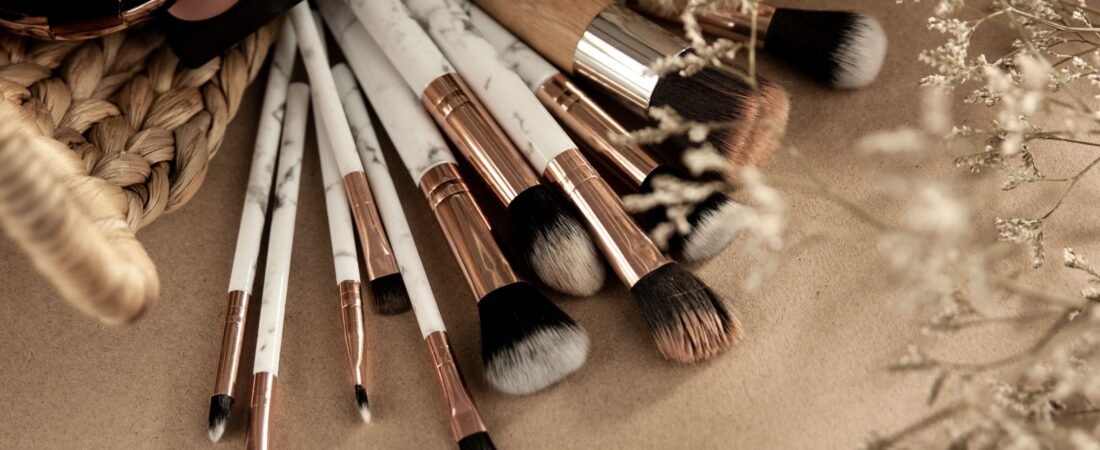
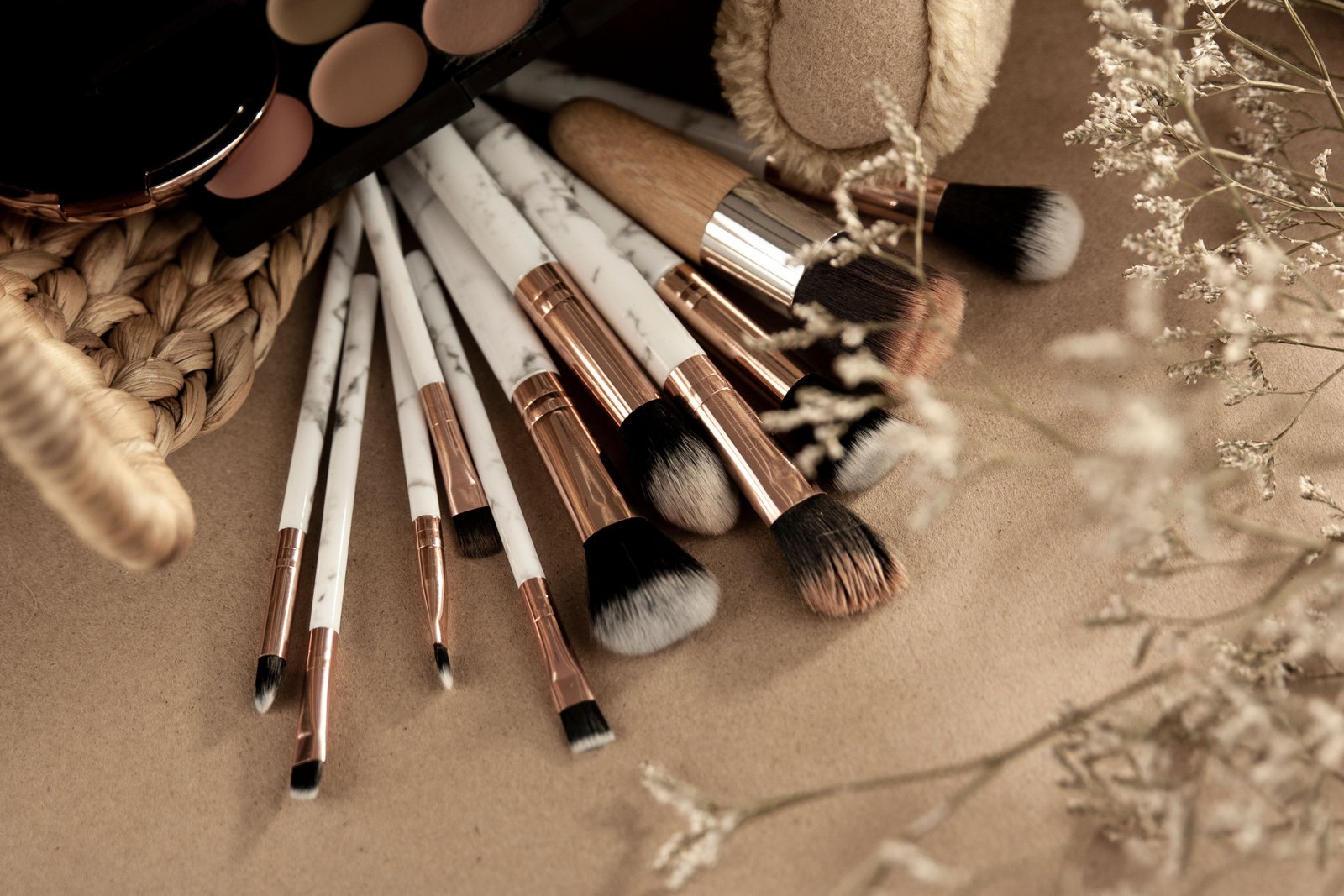
A genuinely professional kit starts with a range of cosmetic-grade cream colors, chosen for opacity, blendability, and true color payoff under both natural and studio lighting. Beyond color itself, a solid kit includes a variety of brushes suited to different tasks, larger flat brushes for broad coverage, smaller detail brushes for precise linework, and sponges for stippling texture or blending large areas smoothly.
A compatible setting product, specifically formulated to work with cream or water-activated face paint rather than a standard setting powder meant for traditional foundation, rounds out the core kit. Rounding things out further, a genuinely complete kit also includes basic skin-prep products, like a compatible primer, and dedicated removal products suited to breaking down pigment gently.
Storage and organization deserve real thought too, not just what’s inside the kit. A case with clear compartments for color, tools, and prep products keeps everything accessible and protected during transport, and it makes setup and breakdown on a shoot day meaningfully faster than digging through a disorganized bag between looks.
Why Cosmetic-Grade Formulation Matters For Skin Safety
This is genuinely the most important standard for any product in a face-paint kit. Every color and product that touches skin should be explicitly formulated and labeled for cosmetic use, never substituted with craft paint, art supplies, or any product not specifically intended for the face, regardless of how similar a color might look on a shelf.
Building a kit exclusively from established professional cosmetic brands, rather than mixing in cheaper non-cosmetic alternatives to save money, is worth the investment. Our full guide on what to know about white face paint goes deeper into exactly what makes a product genuinely cosmetic-grade versus not, which is worth reading alongside this one.
It’s also worth checking a product’s ingredient list for known common irritants if you or a model you’re working with has sensitive skin, and keeping a small patch-test kit on hand for trying a new color or brand ahead of an actual shoot day rather than discovering a reaction for the first time on set.
Tools That Make Application Cleaner And More Precise
Beyond brushes and sponges, a few smaller tools make a genuine difference in the precision and cleanliness of creative face-paint application. A set of fine-tip liner brushes allows for crisp geometric lines or detailed graphic elements, while a stippling sponge creates soft, textured gradients that a flat brush alone can’t achieve as convincingly.
A small palette or mixing surface for blending custom colors on the spot, along with a spray bottle of clean water for activating certain water-based formulas, rounds out the practical tool kit. Cleanliness tools matter too, isopropyl alcohol for sanitizing brushes between uses and between different models on a shoot day, keeping the kit hygienic throughout.
A few practical extras round things out nicely, cotton swabs for cleaning up small mistakes without redoing an entire section of a look, a lint-free cloth for wiping down brushes between colors, and disposable applicators for any product shared across multiple people on a shoot day, which is a genuinely important hygiene consideration when working with more than one model.
How A Kit Is Adapted For Different Creative Concepts
A kit built for a soft, ethereal editorial concept, delicate washes of color, subtle gradients, looks quite different in practice from one built for a bold, high-contrast graphic concept with sharp geometric shapes and saturated color blocking. The core products often stay the same, but the specific colors, tool selection, and application technique shift significantly based on the creative direction of a given shoot.
Many artists keep a flexible, well-organized core kit and then supplement with a few concept-specific extras for each individual shoot, rather than trying to carry every possible color and tool at all times. Talking through the creative concept with the photographer and stylist ahead of time helps shape exactly what a kit needs for that specific day.
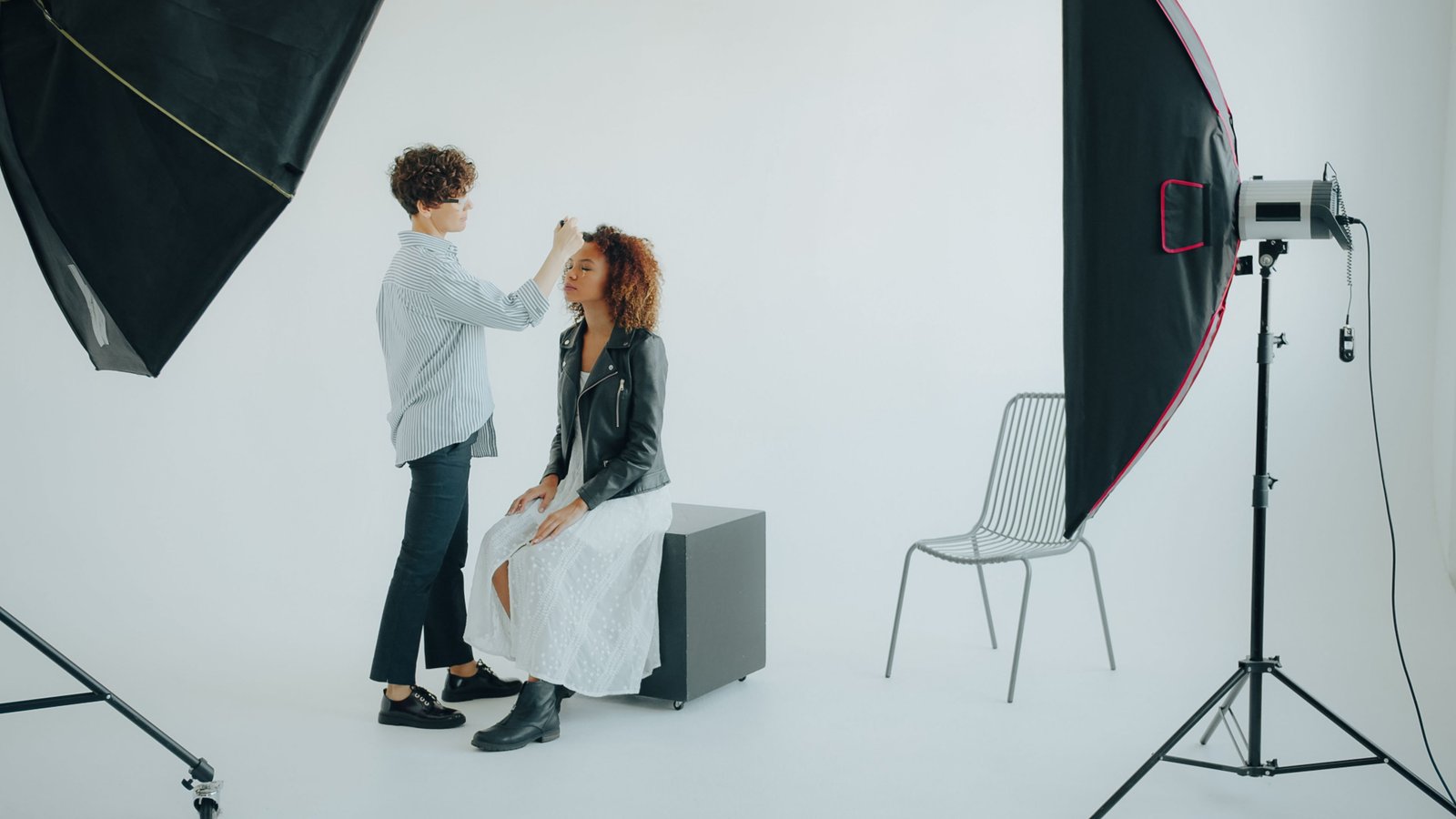
Lighting also factors into concept planning more than people expect. A shoot under harsh studio strobes calls for colors and finishes that photograph accurately under that specific light, while a softer, natural-light shoot allows for more subtlety in blending and gradient work that might otherwise wash out under stronger lighting. Testing swatches under the actual lighting setup, when possible, before the full shoot avoids surprises once the camera is rolling.
Common Mistakes People Make Building A Face-Paint Kit
The most serious mistake is including any non-cosmetic-grade product in a kit meant to touch skin, whether to save money or because a color happened to be more readily available. Another common mistake is under-investing in tools, trying to achieve precise, professional results with a single all-purpose brush rather than the range of brushes and sponges that different techniques genuinely require.
Skipping sanitation supplies entirely, and neglecting to clean brushes and tools between uses, is a mistake that compromises both hygiene and the quality of color application over a shoot day, since product buildup on a dirty brush affects how cleanly new color goes on. Building sanitation into the kit from day one avoids this problem altogether.
How Reign Beauty Collective Approaches Creative Photoshoot Makeup
Creative and editorial photoshoot work is part of the range of services we offer alongside our core bridal beauty work, and we bring a genuinely professional, cosmetic-grade kit to every shoot, built and adapted around each individual creative concept. Skin safety is never negotiable, regardless of how bold or artistic a concept calls for the final look to be.
If you’re planning a creative shoot and want to talk through what a kit built for your specific concept would include, we’d love to help. You can see more of our work on our Bridal Hair & Makeup page.
Ready To Book?
If you’re planning a creative or editorial photoshoot and want an artist with a genuinely professional, cosmetic-grade kit, Reign Beauty Collective would love to help bring your concept to life. Based in Tampa, FL, our artists prioritize skin safety alongside bold, artistic vision. Take a look at our Price List, then Book Online to check availability.
Frequently Asked Questions
How do I know which products in a kit are actually skin-safe?
Look for explicit cosmetic-grade labeling and clear ingredient information from established professional makeup brands. Never substitute craft paint or general art supplies for anything intended to touch skin.
How much does a starter creative face-paint kit typically cost?
Costs vary widely based on brand and how many colors and tools you start with, so it’s worth building a kit gradually with a few core cosmetic-grade colors and tools rather than trying to buy everything at once.
How do I keep a face-paint kit sanitary between uses?
Cleaning brushes with isopropyl alcohol between uses and between different clients or models is essential. Building sanitation supplies into your kit from the start makes this an easy habit rather than an afterthought.
What tools matter most for a beginner building a kit?
A range of brush sizes, a sponge for blending and texture, and a compatible setting product are the essentials worth prioritizing first, before adding more specialized tools as specific projects require them.
Can a face-paint kit be adapted for different creative concepts?
Yes, and it usually should be. A flexible core kit supplemented with concept-specific colors and tools for each individual shoot tends to work better than trying to carry every possible option at all times.
Does Reign Beauty Collective bring a professional face-paint kit to shoots?
Yes, creative and editorial photoshoot makeup is part of what we offer, always using a genuinely cosmetic-grade, professionally maintained kit adapted to each shoot’s specific creative concept.