Quick Answer
Strip lash glue is an adhesive made to hold a false lash band along your lash line, and it comes in clear or dark, latex or latex free, and brush on or tube formulas. To choose one, start with your skin and eyes: sensitive eyes or a latex allergy call for a latex free formula, dark glue suits eyeliner looks, and clear suits soft, natural ones. Then consider wear time and water exposure, and always patch test before using it near your eyes.
Ask any makeup artist what causes most lash problems on a wedding day, and they probably won’t blame the lashes. They’ll blame the glue. Strip lash glue is the make or break of a full lash look. The right one holds the band snugly against your lash line through hugs, tears, and humidity, and the wrong one leaves corners lifting by the first dance or irritates your eyes.
As a Tampa bridal hair and makeup team, we apply strip lashes on brides and bridal parties nearly every weekend, so we’ve seen how much difference the adhesive makes. This guide covers the main types of strip lash glue, how to choose one for your skin and your day, how a makeup artist applies strip lashes, what to know about safety and patch testing, and how to make lashes last through a wedding. We’ll mention product types rather than recommending a single brand, because formulas and availability change.
Types Of Strip Lash Glue
The first choice is color. Clear glue, which usually goes on white and dries clear, is invisible on the lash line and suits natural looks, light lashes, and anyone who doesn’t wear eyeliner. Dark or black glue blends into black lashes and eyeliner, so any adhesive that shows along the band looks like liner. Many artists keep both, using dark glue for defined, lined looks and clear glue for soft, wispy ones.
The second choice is the base formula. Many traditional lash adhesives contain latex, which some people find gives a strong, flexible hold. Latex free formulas are made for people with latex allergies or sensitive eyes, and many latex free options now hold very well. Labels differ by product and even by color within the same brand, so read the specific package rather than assuming the whole line is the same.
The third choice is the applicator. Brush on glue comes with a fine brush in the cap, which makes it easy to paint a thin, even line along the band with less mess. Tube glue is squeezed directly onto the band or onto the back of your hand and picked up with a tool. Tube glue gives you more control over how much you use once you’re experienced, while brush on is often easier for beginners. Some adhesives are also labeled as quick setting, waterproof, or long wear, which brings us to choosing for your day.
How To Choose Strip Lash Glue For Your Skin And Day
Start with your eyes. If you have a known latex allergy, sensitive eyes, or a history of reactions to cosmetics, choose a latex free adhesive and talk with a physician or dermatologist before using it. If you’ve reacted to a lash glue before, check the ingredient list of the one you’re considering and avoid the ingredients that caused trouble.
Next, think about wear time. For a short dinner, almost any good strip lash glue will do. For a wedding day that may last 12 hours or more, a long wear formula is worth it. Water exposure matters too. If you’re likely to cry during the vows, you’re having a beach ceremony, or you’ll be outdoors in Tampa humidity, choose a glue described as water resistant or waterproof, and test it on a hot day.
Finally, consider your eye makeup. If you’ll wear liner, dark glue usually looks cleanest. If your look is soft and liner free, or your lashes are light, clear glue usually blends better. Our earlier guide to Lashtite Ardell glue explains why adhesive for individual lashes isn’t the same as glue for strips.
How A Makeup Artist Applies Strip Lashes
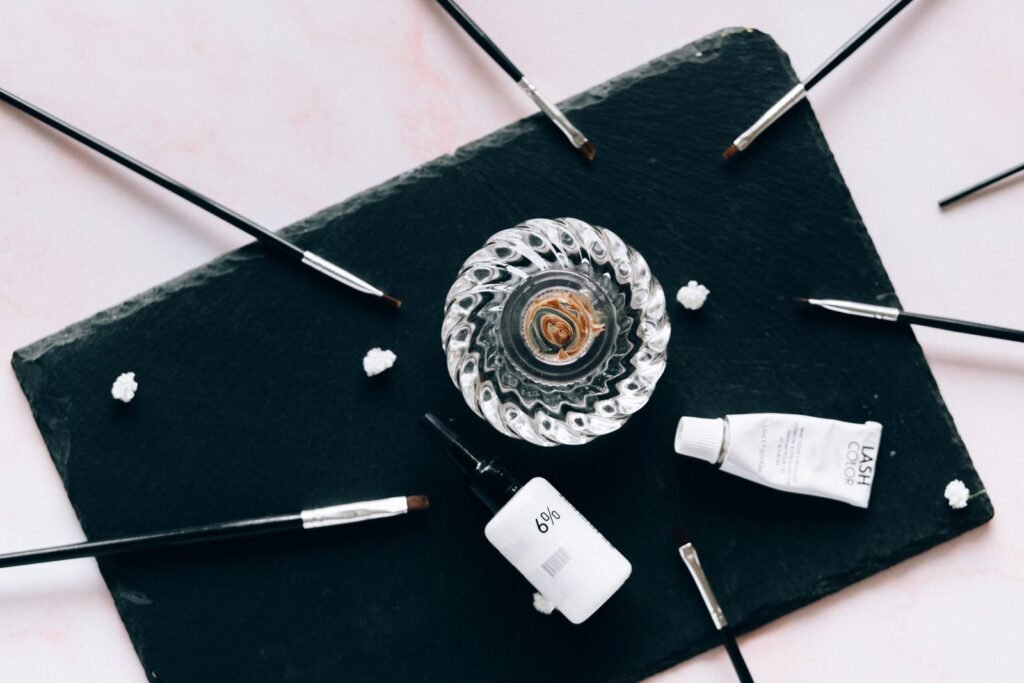
The first step is fit. We measure the strip against the client’s eye and trim the outer end so the band starts just in from the inner corner and ends where the natural lashes end. A strip that’s too long is one of the most common reasons corners lift.
Then we apply a thin, even line of strip lash glue along the band, with a tiny extra dab at the inner and outer corners, which take the most movement. The most important step comes next: waiting. Most strip lash glue needs about 30 seconds to a minute to turn tacky. Glue that’s still wet will slide, smear, and take longer to set, while tacky glue grips almost immediately.
With the client looking down, we place the center of the band first, as close to the natural lash line as possible without touching the skin of the waterline, then press the outer and inner corners down with a tool. Finally, we gently pinch the natural and false lashes together so they move as one, and add a little liner if needed to hide the band.
Strip Lash Glue Safety And Patch Testing
Use only adhesives made specifically for eyelashes, never nail glue or craft glue. Check the ingredient list, the expiry date, and the period after opening symbol, and throw away any glue that’s thickened, separated, or changed smell. Keep the cap clean and closed tightly, since glue that’s exposed to air can change texture and pick up bacteria from fingers or tools.
Patch test before you use a new adhesive. A common approach is to apply a small amount to the inner arm or behind the ear and wait 24 to 48 hours for any redness or itching. A patch test can’t rule out every possible reaction, but it’s a sensible first step. If your eyes or eyelids become painful, red, itchy, watery, or swollen after wearing lashes, remove them, stop using the glue, and see a doctor.
Remove strip lashes gently at the end of the day. Hold a cotton pad soaked in an oil based remover over the closed eye for a little while so the glue softens, then peel the band from the outer corner inward. Never yank lashes off.
The Detail Most Guides Leave Out: Glue Age And Climate
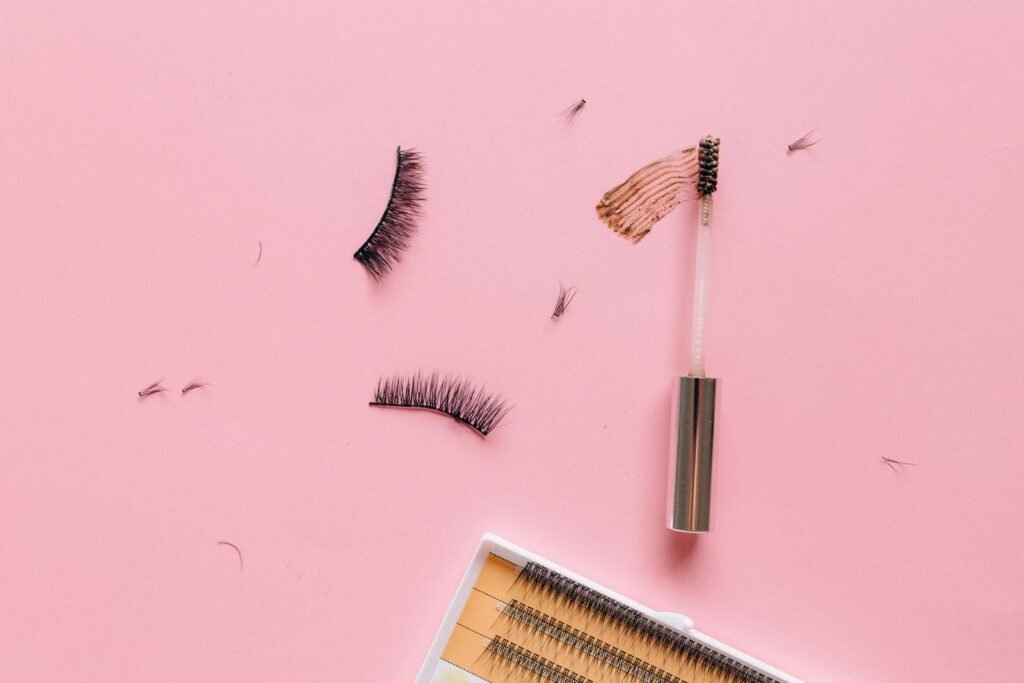
Many guides cover color and latex, but few mention that the same glue can behave differently depending on how old it is and where you are. An opened tube that’s been sitting in a hot car or bathroom can thicken or separate, which changes how quickly it sets and how well it holds. In very humid weather, glue often takes longer to turn tacky, while in cold, dry air conditioning, it may set faster. For a wedding, use a fresh tube that’s been opened recently, and do a practice run in conditions similar to your venue.
Making Strip Lashes Last Through A Wedding
Choose your lash style and your strip lash glue together, and test them at your bridal trial. Wear them for several hours so you know how they feel by late evening. On the wedding day, apply lashes after eye makeup but before final setting spray, and avoid oily skin care or eye creams near the lash line that morning.
For tears, a waterproof formula and a gentle dab with a tissue, rather than wiping across the eye, makes a big difference. In humid weather, give the glue extra time to set before going outside. And always have a touch up plan. A small tube of the same glue, a cotton swab, and tweezers can fix a lifting corner in seconds. If you book bridal makeup application, we’ll include lashes and walk you through what to do if a corner lifts during the reception. You can see finished lash looks in our team portfolio.
Ready To Book?
Want lashes that stay put from your first look to your last dance? Reign Beauty Collective’s Tampa artists choose lash styles and adhesives around your eyes, your sensitivity, and your wedding day weather. Book your trial and we’ll test the full lash look with you.
Frequently Asked Questions
Is clear or black strip lash glue better?
Neither is better overall. Dark glue blends into eyeliner and black lashes, while clear glue disappears on natural, liner free looks, so choose based on your makeup style.
How long should I wait before putting the lashes on?
Most glues need about 30 seconds to a minute to turn tacky. If the lash slides around, the glue is probably still too wet.
Do I really need latex free glue?
If you have a latex allergy or sensitive eyes, a latex free formula is the safer choice. Check the label on the exact product, since formulas vary even within a brand.
Why do my lash corners keep lifting?
The most common causes are a band that’s too long, glue that wasn’t tacky yet, or oily skin care near the lash line. Trimming the band and adding a tiny extra dab of glue at the corners usually helps.
Does Reign Beauty Collective use latex free lash glue?
Reign Beauty Collective chooses adhesives based on each client’s needs, and we always ask about allergies and sensitivities before applying lashes. Let us know about any reactions you’ve had in the past when you book.