Quick Answer
Mattifying setting spray uses oil-absorbing ingredients like silica, starches, or clay in a fine mist to reduce shine and help makeup stay put through the day, typically holding up for several hours before a genuinely oily complexion starts to need a touch-up. In our experience, it works best as part of a full setting routine rather than a standalone fix, and many people find it does its job well without making skin look flat once applied correctly. Very oily skin will still likely need a blotting touch-up by the end of a long day, and that’s a realistic expectation, not a product failure.
Mattifying setting sprays get pitched as an all-day shine solution, but anyone with genuinely oily skin has probably tried one and still noticed some shine by evening. That doesn’t mean the product failed, it means the marketing oversold what any spray alone can realistically do. As a Tampa-based bridal makeup team working in Florida humidity constantly, here’s an honest breakdown of what these sprays actually do and how to get the most out of one.
How Mattifying Setting Sprays Actually Work
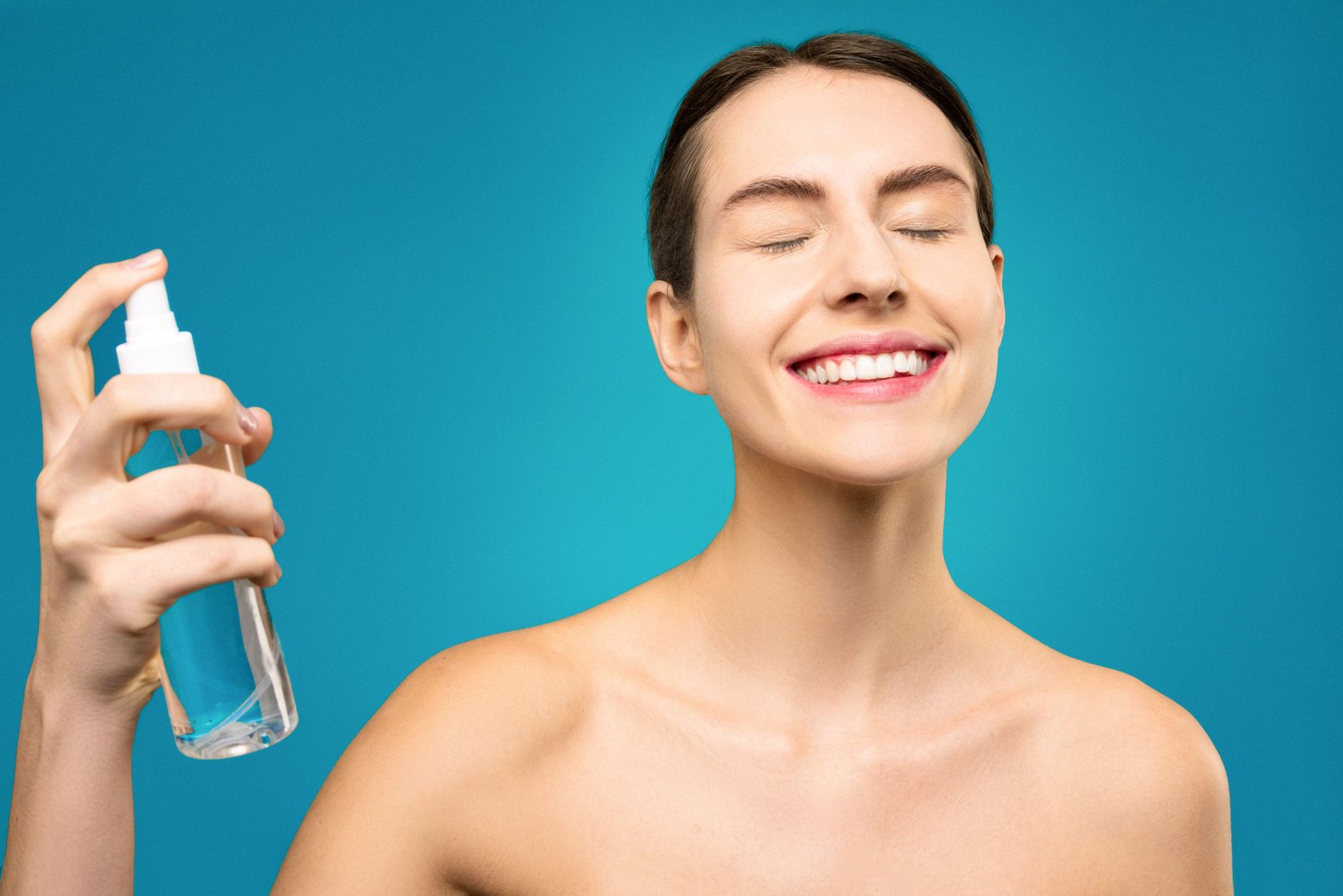
Mattifying setting sprays rely on oil-absorbing ingredients, commonly silica, various starches, or clay, suspended in a fine mist that settles evenly over makeup once applied. These ingredients physically soak up surface oil as it appears throughout the day, which is different from a hydrating or dewy setting spray that’s formulated to add a subtle sheen rather than reduce one.
The mist format matters here too, since it settles as a thin, even veil over the whole face rather than pooling in one spot the way a heavier product might. That even distribution is part of why a well-formulated mattifying spray can control shine without creating the patchy, over-powdered look a poorly applied mattifying product sometimes causes.
Ingredient concentration and formula quality vary noticeably between products, which is part of why some mattifying sprays feel like they genuinely work and others feel like little more than a light mist of water. A well-formulated version noticeably reduces shine within a few minutes of application, visible even before makeup is applied over it, which is a reasonable quick test if you’re trying to judge whether a specific bottle is actually pulling its weight before committing to it for a big event.
How Long The Mattifying Effect Realistically Lasts On Very Oily Skin
This is the part worth being honest about rather than oversold. For normal to combination skin, a quality mattifying spray genuinely can control shine for most of a full day. For very oily skin specifically, most formulas realistically hold strong shine control for around four to six hours before some breakthrough shine appears, particularly in the T-zone, and that’s true even of well-reviewed, higher-end sprays.
This isn’t a flaw unique to any one product, it’s a realistic limit of what a topical mist can do against genuinely high oil production over many hours, especially in Florida’s heat. Planning for one light touch-up, whether that’s blotting paper or a fresh spritz, partway through a long event day is the honest expectation for very oily skin, not a sign the product isn’t working.
Skin temperature and activity level factor in too, which is worth naming for a wedding day specifically. Dancing, standing under hot outdoor lighting, or an emotional ceremony that brings on some happy tears all raise skin temperature and oil production beyond a typical calm day, meaning even a genuinely strong mattifying formula will be tested harder on a wedding day than it was during a calm at-home trial run. Building in one extra touch-up moment into the day’s timeline, rather than assuming morning application alone will carry through the reception, is realistic planning rather than pessimism.
Layering With Powder For Longer-Lasting Shine Control
A mattifying spray works best as the final layer of a complete setting routine, not a replacement for powder entirely. Setting the T-zone and any other oil-prone areas with a light dusting of translucent powder first, then following with the mattifying spray, gives noticeably longer shine control than either product used alone, since the powder absorbs surface oil directly while the spray helps lock everything in place.
For an especially long event day, carrying blotting papers for a midday touch-up, then a light re-mist of spray afterward, extends wear further than reapplying powder alone would, since a heavy second layer of powder risks looking cakey while a light mist genuinely refreshes the finish without adding visible product.
Order matters within the layering sequence too. Applying the mattifying spray as the final step, after powder and any other finishing products, gives it the best chance to lock everything in place at once rather than being immediately absorbed by a fresh layer of powder that hasn’t had time to set. Letting each layer settle for thirty seconds or so before moving to the next genuinely improves how well the whole combination holds together through the day.
Who Benefits Most From A Mattifying Formula Versus A Dewy One
Oily and combination skin types tend to see the clearest benefit from a mattifying formula, especially for a long event day in Florida’s heat. Dry or normal skin, on the other hand, often looks better and feels more comfortable with a hydrating or dewy setting spray instead, since a mattifying formula on already-dry skin can sometimes emphasize texture or flakiness rather than smoothing it.
Some people with combination skin find success mixing approaches, a light dewy spray on drier areas like the cheeks and a targeted mattifying touch-up on the T-zone, though this takes a bit more product knowledge than reaching for one all-over spray. A trial run ahead of a big event is the best way to figure out what your own skin actually needs.
Season and venue conditions are worth factoring in as well, separate from skin type alone. An indoor, air-conditioned reception venue puts far less demand on a mattifying formula than an outdoor Florida ceremony in July, so the same person might reasonably choose a lighter mattifying approach for one event and a more robust routine, spray plus powder plus a planned touch-up, for the other, based purely on where and when the event is happening.
Genetics and hormonal factors also influence baseline oil production in ways no product can fully override, and it’s worth naming that honestly rather than implying any spray is a universal fix. Someone whose skin runs consistently oilier due to genuinely higher natural oil production will likely need a more involved routine, spray, powder, and a planned touch-up, than someone with naturally drier or more balanced skin, and that’s a difference in skin biology, not a difference in how carefully either person applied their products.
Diet and hydration on the day itself can also play a small, honest role in how much shine shows up later, even though it’s rarely mentioned alongside product advice. Staying hydrated with water rather than relying heavily on caffeine or alcohol through a long event day tends to support more balanced skin behavior overall, while very salty or greasy food can occasionally contribute to a temporary uptick in visible oil for some people. This isn’t a guaranteed fix, but it’s a reasonable, low-effort habit alongside a solid product routine.
Common Mistakes People Make With Mattifying Setting Spray
The most common mistake is spraying too close to the face, which delivers too much product to one spot and can create a wet, uneven finish rather than the fine, even veil the product is designed to leave. Holding the bottle at least eight to ten inches away and misting in a light X or T motion across the face gives a much more even result.
A second common mistake is skipping powder entirely and relying on the spray alone for genuinely oily skin, expecting it to do more than a topical mist realistically can. A third is not touching up at all through a long day, then feeling surprised by shine at hour eight, when a quick blot or light re-mist partway through would have kept the finish looking fresh the whole time.
How Reign Beauty Collective Chooses Setting Products For Every Skin Type
We build a custom setting routine for every client based on their actual skin type and the specific conditions of their event, since a one-size-fits-all approach genuinely doesn’t hold up through a Florida wedding day. That might mean a mattifying spray layered over powder for oily skin, or a dewier approach for drier skin. Our companion guides, Kryolan Fixing Spray: Everything A Bride Should Know and A Makeup Artist’s Guide To Yummy Skin Setting Spray, cover two other strong setting options worth knowing about.
Ready To Book?
If you want makeup that genuinely holds up against oil and Florida humidity on your wedding day, Reign Beauty Collective would love to help. Based in Tampa, FL, our artists build a setting routine specifically for your skin type and the day’s conditions. Take a look at our Price List, then Book Online to check availability.
Frequently Asked Questions
Will mattifying setting spray actually control oil all day?
For normal to combination skin, it often can. For very oily skin, most formulas realistically hold strong control for around four to six hours before some breakthrough shine appears, so planning one touch-up during a long day is a realistic expectation.
Will a mattifying spray make my skin look flat instead of natural?
Applied at the right distance in a light, even mist, many people find it controls shine without flattening the skin’s natural dimension. Spraying too close or too heavily is what tends to create that flat, over-powdered look.
How does mattifying setting spray compare to blotting papers for touch-ups?
They work well together rather than as alternatives. Blotting papers physically lift surface oil during the day, while a light re-mist afterward helps refresh the matte finish without adding a heavy new layer of product.
Should I use powder and mattifying spray together?
Yes, layering a light dusting of powder in oil-prone areas before misting with a mattifying spray gives noticeably longer shine control than either product used alone, especially for a long event day.
Is mattifying setting spray bad for dry skin?
It’s not necessarily bad, but it isn’t usually the best match either, since it can sometimes emphasize texture on already-dry skin. A hydrating or dewy setting spray tends to work better for dry or normal skin types.
Does Reign Beauty Collective use mattifying setting spray on brides?
We choose setting products, including mattifying sprays, based on each client’s skin type and the day’s specific conditions, so it’s genuinely one of the tools in our kit rather than a default for every client.