Quick Answer
The color wheel eyeshadow rule uses complementary colors, shades that sit opposite each other on the color wheel, to make a specific eye color appear more vibrant, such as warm copper tones for blue eyes or reds for green eyes. Many artists find the theory genuinely holds up and does intensify eye color when applied close to the iris. That said, it works best as a helpful starting point rather than a strict rule, since skin tone and personal preference matter just as much to how a finished look actually reads.
You’ve probably seen the claim that a specific eyeshadow shade will “make your eyes pop” based purely on your eye color. It sounds like a simple hack, and there’s real color theory behind it, but it’s also more nuanced than a one-line rule can capture. As a Tampa-based bridal makeup team, here’s an honest look at how the color wheel actually applies to eyeshadow, and where it stops being the whole story.
The Basic Color Theory Behind Complementary Eyeshadow Shades
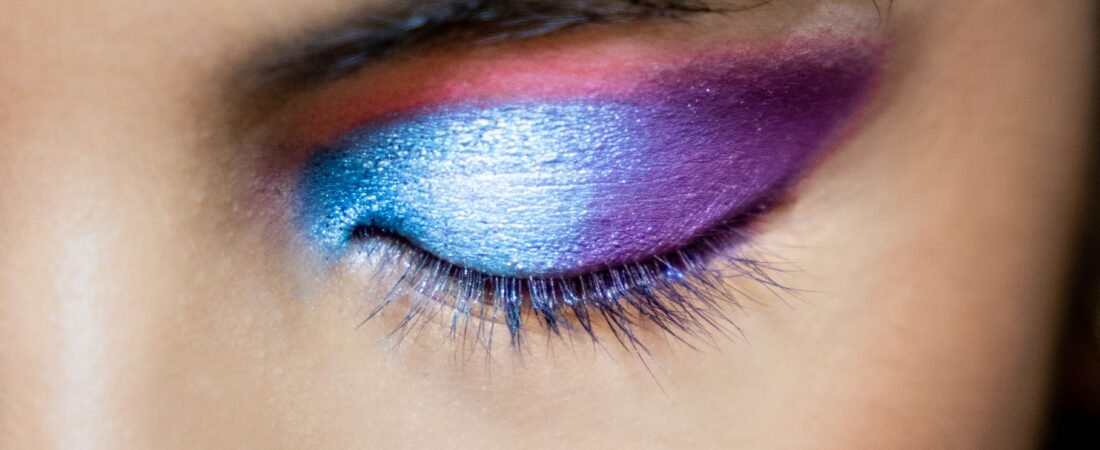
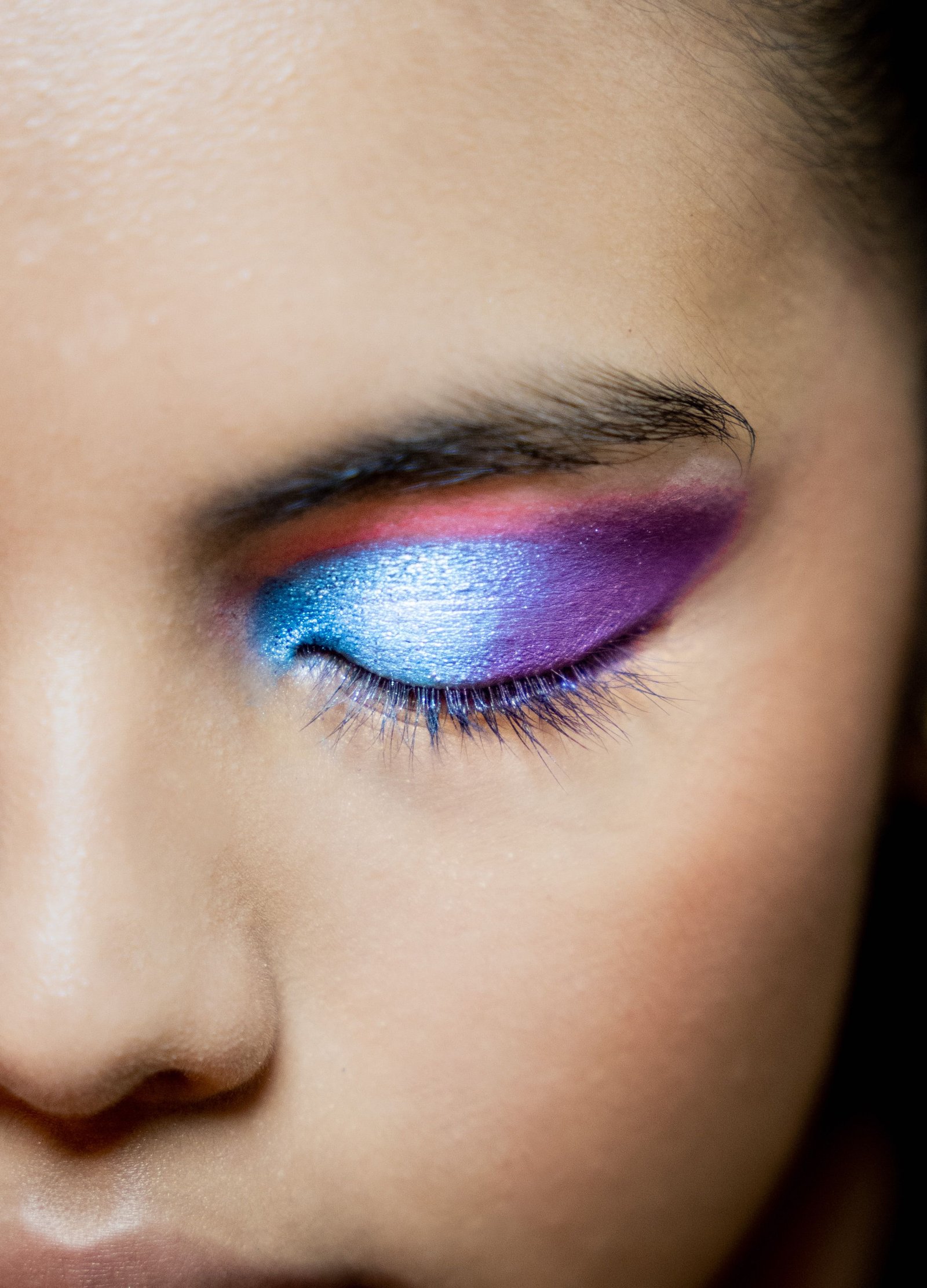
Complementary colors sit directly opposite each other on the color wheel, and when placed side by side, they intensify each other visually rather than blending or competing. Applied to eye makeup, this means placing a shadow shade near the iris that sits opposite your natural eye color on the wheel makes that eye color appear more saturated and vibrant by contrast, simply because of how our eyes perceive opposing colors next to each other.
This isn’t makeup-specific pseudoscience, it’s the same basic color theory used in art and design more broadly, just applied to a very small, high-contrast canvas. It genuinely does work as a visual effect, which is why the technique has stuck around in professional kits for so long.
The effect also has a real physiological basis, not just an artistic one. The eye’s own photoreceptors respond to contrast between adjacent colors, and complementary pairs create the strongest possible contrast on the color wheel, which is why they specifically, rather than any two random colors, produce that intensifying illusion. Placing a shade with lower contrast to your eye color nearby won’t create the same effect, which is part of why the specific pairing matters more than simply “wearing a bold color” near the eye.
General Shade Suggestions By Eye Color, As A Starting Point
For blue eyes, warm copper, bronze, and terracotta tones sit roughly opposite blue on the wheel and tend to intensify the blue without competing with it. For green eyes, reds and warm berry tones sit across from green and are classically used to make green eyes read as more vivid. Brown eyes are the most flexible of the three, since brown itself isn’t one fixed hue, meaning gold, olive, plum, and navy can all create genuine contrast depending on the exact undertone of the brown.
These pairings are a genuinely useful starting point for building a look, especially if you’re not sure where to begin. But think of them as a helpful default, not a locked formula, since the next two sections cover exactly why that distinction matters.
Gray eyes, a less commonly discussed category, generally respond well to the same family of shades as blue eyes, warm coppers and bronzes, though many artists find gray eyes are also particularly flattered by cool-toned charcoal and smoky shades that play up their naturally muted, reflective quality rather than trying to intensify a specific hue. Since gray is technically a low-saturation version of blue on most color models, both approaches genuinely work depending on the exact look you’re going for.
When Personal Preference And Skin Tone Matter More Than Eye Color Alone
This is the part most color wheel guides skip, and it’s genuinely the most important honesty check before you commit to a full look. Skin tone and undertone affect how any given eyeshadow shade actually reads on your face just as much as eye color does, sometimes more. A copper shade that’s technically “correct” for blue eyes can still clash with a cooler skin undertone, while the same shade might look stunning on someone with a warmer undertone, regardless of eye color.
Personal preference is also a completely legitimate factor here, not a lesser consideration than color theory. If a shade the color wheel “recommends” for your eye color simply isn’t a color you feel confident or comfortable wearing, that discomfort will likely show more in photos than any subtle color-theory boost would. A shade you genuinely love wearing will usually photograph better than a technically correct one that feels wrong on you.
Skin undertone specifically, warm, cool, or neutral, changes how any pigment sits against your complexion, sometimes shifting a shade’s appearance enough to change how it reads entirely. A copper shade on a warm undertone can look rich and glowing, while the same shade on a cool undertone might read slightly muddier or less vibrant, independent of what it’s doing for eye color at all. This is exactly why we always recommend testing shades on your own actual skin rather than trusting how a color looks in a palette pan or on someone else’s coloring.
How To Test The Theory For Yourself Before Committing To A Full Look
Before building a full bridal or event look around a color wheel pairing, swatch two or three complementary options directly on your lid and take a photo in natural daylight, since color reads differently in photos than it does in a mirror under artificial light. Compare that against a neutral or your usual go-to shade in the same lighting to see if the complementary color genuinely makes a visible difference for your specific coloring.
If the effect is subtle or you simply prefer how the neutral shade looks, that’s valuable information, not a failure of the technique. This kind of test run, ideally during an actual makeup trial rather than the day of your event itself, is exactly how we recommend approaching it for anyone considering a color wheel-based bridal look.
It’s also worth photographing the test swatch alongside your actual outfit or wedding color palette, not just against bare skin, since a shade that works beautifully in isolation can still clash with a specific dress color, floral palette, or venue lighting once everything comes together. A quick side-by-side comparison photo, taken during the same trial, can save you from a last-minute surprise on the actual event day.
Lighting conditions where the swatch is tested matter almost as much as the shade itself. A color that reads beautifully under warm indoor bulbs can shift noticeably under cool fluorescent lighting or bright outdoor sun, which is exactly the range of lighting a wedding day typically moves through, from a bright morning prep room to golden-hour outdoor photos to a dim, string-light-lit reception. Testing a shade under at least two different lighting types during your trial gives a far more realistic sense of how it will actually perform throughout your specific day.
Common Misconceptions About Color Wheel Eyeshadow Rules
The biggest misconception is treating the color wheel as a strict rule rather than a helpful starting tool, when in reality skin tone, personal style, and the occasion all matter just as much. A second misconception is assuming brown eyes don’t get a real color wheel pairing since brown sits in the middle of the wheel rather than opposite one clear color, when in fact the range of undertones within brown eyes means there are actually more complementary options to explore, not fewer.
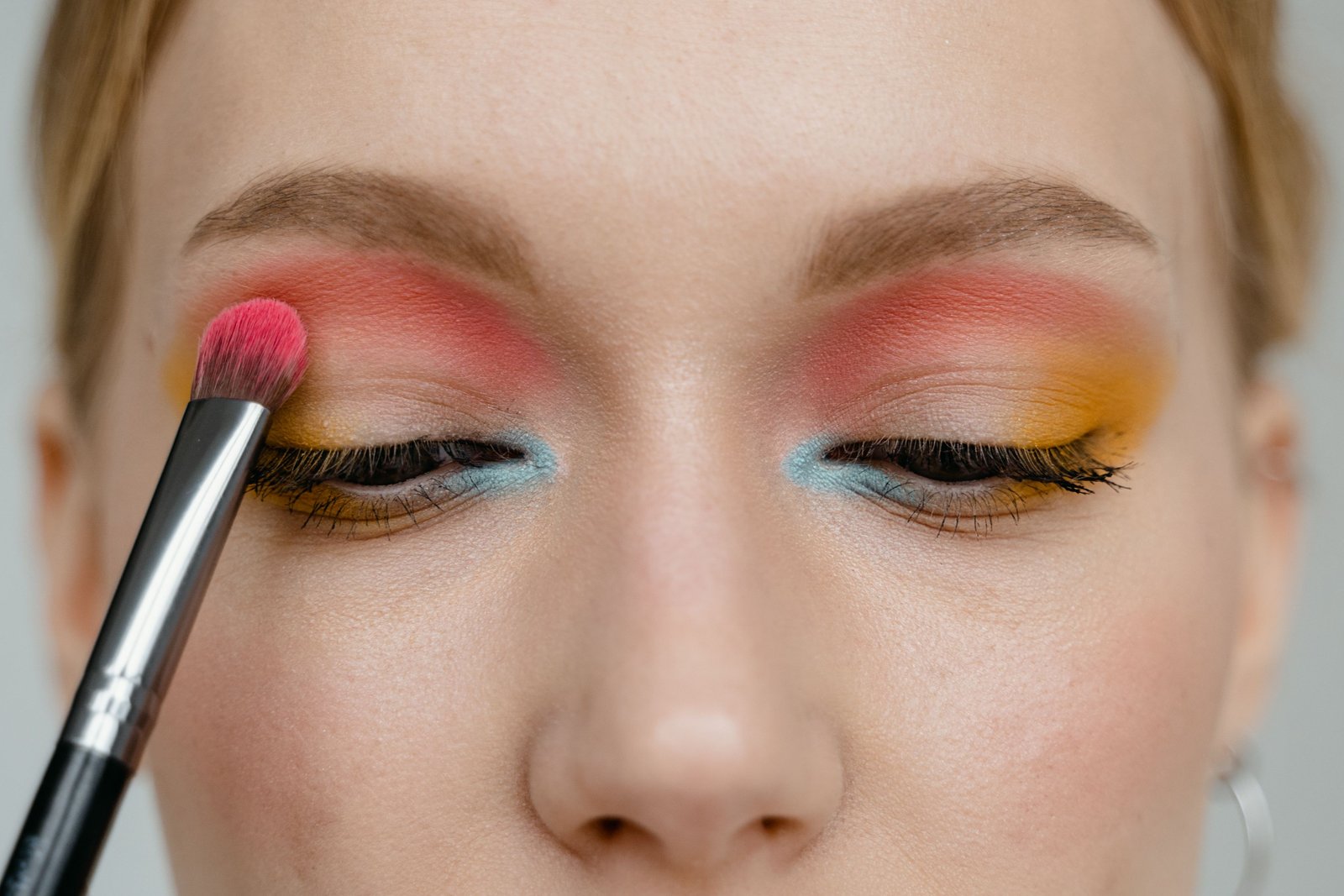
A third misconception is thinking the complementary shade needs to cover the whole lid to work. In reality, even a small amount placed strategically near the iris, in the crease, or along the lower lash line can create the intensifying effect, which makes the technique far more flexible for subtle, everyday looks than people often assume.
How Reign Beauty Collective Chooses Eyeshadow Shades For Brides
We use color theory as one tool among several when building a bridal eye look, always balanced against your skin tone, personal style, and how the look will photograph on your actual wedding day. During your trial, we’ll test a few options together so you can see what genuinely works for you rather than defaulting to a generic rule. If you’re drawn to a softer, more universally flattering look instead, our companion guide, How To Create The Perfect Neutral Eyeshadow Look, is worth reading too.
Ready To Book?
If you want an eye look built around what genuinely flatters you, not just a generic color-wheel rule, Reign Beauty Collective would love to help. Based in Tampa, FL, our artists test shades together with you during a trial so your wedding-day look feels right. Take a look at our Price List, then Book Online to check availability.
Frequently Asked Questions
Is the color wheel eyeshadow rule outdated or too rigid?
It’s a real, still-useful color theory principle, but it works best as a starting point rather than a strict rule. Skin tone and personal preference matter just as much as eye color, so treating it as one tool among several gives more reliable results than following it rigidly.
Does the color wheel trick work for hazel or mixed eye colors?
Yes, and it can actually offer more options, since hazel and mixed eye colors contain multiple tones. Different complementary shades can intensify different flecks of color, so it’s worth testing a couple of options to see which effect you like best.
Does skin tone matter more than eye color when picking eyeshadow?
Many artists find skin tone and undertone affect how a shade reads just as much as eye color, sometimes more. A shade that’s technically complementary to your eye color can still clash with your undertone, so it’s worth testing both factors together rather than eye color alone.
Do I have to cover my whole lid for the color wheel effect to work?
No, even a small amount of the complementary shade placed near the iris or along the lash line can create the intensifying effect, which makes it easy to work into a subtle, everyday look rather than only a full glam look.
How can I test a color wheel pairing before committing to it for an event?
Swatch a couple of complementary shades on your lid and take a photo in natural daylight, comparing against your usual go-to shade in the same lighting. Doing this during a makeup trial, rather than the day of the event, is the best way to know what genuinely works for you.
Does Reign Beauty Collective use the color wheel when building bridal looks?
We use color theory as one tool among several, always balanced against your skin tone and personal style, and we test options together with you during your trial so the final look genuinely suits you.