Quick Answer
Good makeup light means even, high-quality illumination on the face from multiple angles, ideally close to natural daylight in color temperature, since poor lighting can cause an artist to misjudge blending, color matching, and coverage in ways that only become obvious later in real daylight or photos. Natural window light is generally considered the gold standard, though a quality ring light or LED panel with a high color rendering index is a strong alternative when natural light isn’t available. In our experience, the getting-ready room’s lighting affects both how makeup application goes and how the finished photos turn out, which makes it worth real thought ahead of the wedding day.
Most brides spend real time planning their dress, flowers, and venue, but the lighting in the room where hair and makeup actually happens rarely gets the same attention, despite genuinely affecting both how the application goes and how the resulting photos turn out. It’s an easy detail to overlook until the morning of, when suddenly it matters a great deal. As a Tampa-based team that works in getting-ready spaces across a wide range of lighting conditions, here’s what we’ve learned about makeup light and what actually helps.
Why Lighting Quality Matters More Than Most Brides Expect
Makeup application relies on an artist being able to accurately see color, texture, and blending in real time, and poor lighting genuinely distorts all three. Dim, warm-toned lighting can make a foundation shade look more matched than it actually is, while harsh, cool overhead lighting can make blush or bronzer look more intense than it will read in daylight. The result is makeup that looks correct in the room it was applied in but reads differently once you step outside into real daylight or natural photography conditions.
This matters especially on a wedding day because so much of the day happens in mixed lighting conditions, indoor getting-ready light, outdoor ceremony daylight, and evening reception lighting, sometimes all within a few hours. Makeup applied under lighting closer to natural daylight tends to translate more consistently across all of these conditions than makeup applied under a single artificial light source that doesn’t resemble any of them.
Color temperature, measured in Kelvin, is the technical concept behind why some lighting looks warmer or cooler to the eye and to a camera. Daylight generally falls in the 5000 to 6500 Kelvin range, while a typical warm household bulb sits closer to 2700 to 3000 Kelvin, noticeably more orange-toned by comparison. An artist working under a light source far from that daylight range has to mentally compensate for the color shift while applying products, which is difficult to do accurately even with years of experience, and is part of why professional artists care about this detail as much as they do.
Natural Light Versus Ring Lights Versus Vanity-Style Bulb Setups
Natural window light is widely considered the gold standard for makeup application, since it’s balanced across the color spectrum and shows the truest read of how makeup will look once you step outdoors. The main limitation is availability and timing, since a wedding morning schedule doesn’t always line up with the best natural light hours, and a room without good window exposure won’t offer this option regardless of the time of day.
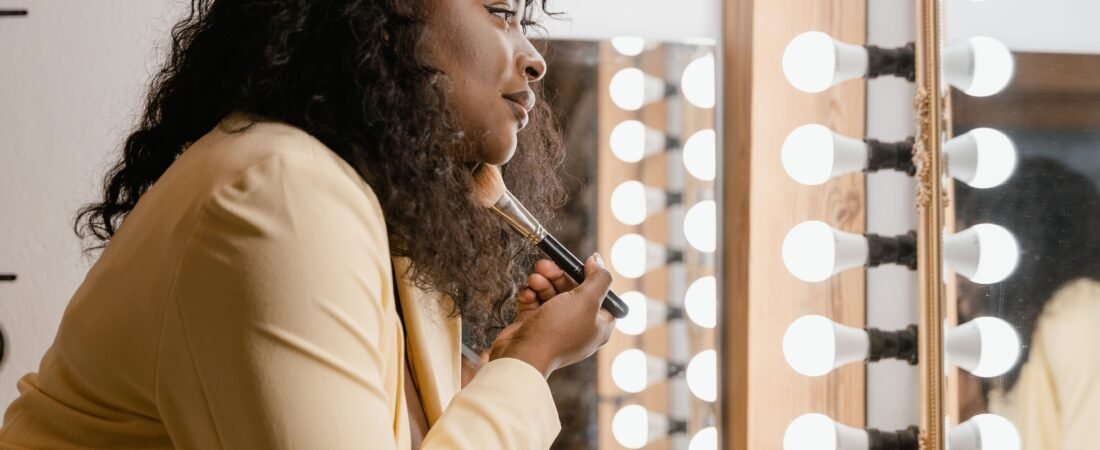
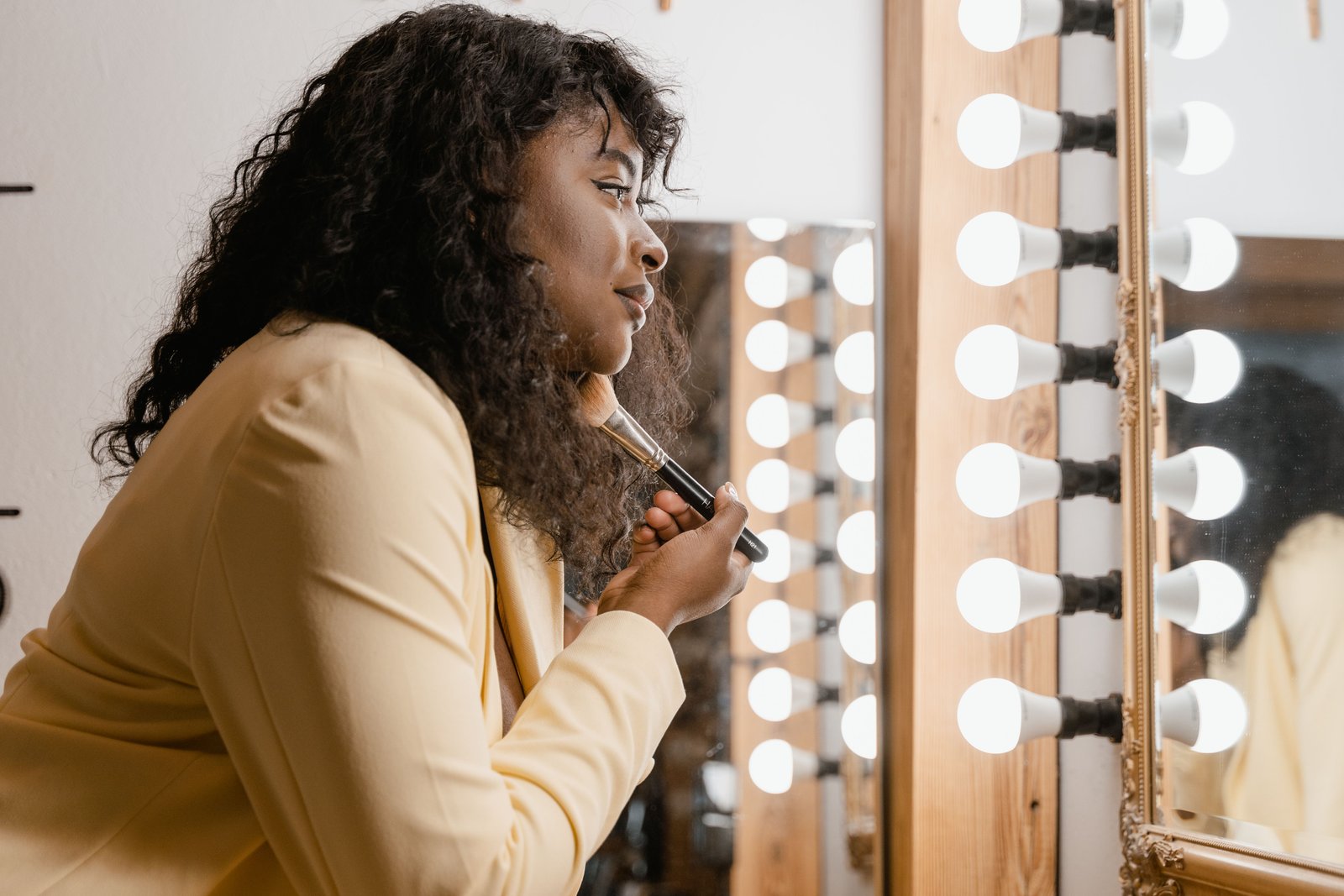
Ring lights have become popular for their even, shadow-reducing glow, but quality varies enormously between models. A genuinely good ring light has a color rendering index, a measure of how accurately a light source reveals true color compared to natural daylight, of 90 or higher; many budget ring lights fall well below that, pulling noticeably cooler or bluer than true daylight, which can subtly throw off color judgment during application. Traditional vanity-style bulb setups, warm round bulbs framing a mirror, can work well if the bulbs themselves are a daylight-balanced color temperature, but plain warm household bulbs tend to cast an orange tint that makes accurate shade matching difficult.
Time of day affects natural window light more than most people expect, even in a room with excellent window exposure. Early morning and late afternoon light tends to skew warmer and more golden, while midday light is closer to neutral daylight, which matters for a wedding morning schedule that often starts quite early, before the sun has fully risen to its more neutral midday quality. Building a few minutes of buffer into the morning timeline specifically to do a final look-check once the sun is higher and the light has evened out can catch a color shift before it becomes a problem in the ceremony photos.
What To Look For In A Getting-Ready Space
If you have any input into where getting-ready happens, a room with large windows and an unobstructed view of the sky, rather than a room facing a shaded courtyard or another building, will generally offer the most usable natural light for the longest window of the morning. North-facing windows tend to provide the most even, consistently diffused light throughout the day, avoiding the harsh, shifting shadows that direct, strong sunlight through a south-facing window can create at certain times.
Room size and mirror placement matter too. A large mirror positioned facing the best window light, rather than with your back to it, lets an artist work with your face properly lit rather than lit from behind, which can create shadows that make accurate application genuinely difficult. If you’re touring a venue or rental space ahead of time, it’s worth actually standing in the planned getting-ready spot at roughly the time you’ll be there on the wedding morning to see how the light actually behaves.
Portable Lighting Options If The Space Is Lacking
If a getting-ready space turns out to have poor natural light, portable LED panel lights with adjustable color temperature and a high color rendering index are generally a better solution than a basic ring light, since they can be positioned at multiple angles rather than one fixed circular position, reducing harsh shadowing on one side of the face. Many professional artists travel with their own portable lighting specifically for this reason, rather than relying entirely on whatever a venue provides.
If a portable professional light isn’t an option, positioning a few daylight-balanced bulbs, widely available and inexpensive, in nearby lamps and turning off warmer overhead fixtures can meaningfully improve a space’s lighting quality with minimal extra equipment. It’s a simple fix that’s easy to arrange in advance rather than discovering the room’s lighting is a problem the morning of.
Logistics are worth planning ahead of time too. Portable LED panels need a nearby power outlet and enough floor or counter space to position at the right angle, details that are easy to overlook until the morning itself, when the room is already crowded with a full bridal party, hair tools, and dresses. Confirming outlet locations and available space with the venue or rental property in advance, rather than assuming it will work out, avoids a stressful last-minute scramble on the wedding morning.
Common Lighting Mistakes That Affect How Makeup Looks In Photos
The most common mistake is applying makeup under lighting that’s noticeably warmer or cooler than natural daylight without accounting for that shift, which often results in makeup that looks fine in the moment but reads oddly once photographed in true daylight or under a photographer’s flash. Another common mistake is applying makeup with strong, single-direction light, like one bright window to one side, which can create uneven shadowing that isn’t obvious until seen from a different angle later.
Skipping a final check in a different light source before considering the look finished is a third common mistake. Even a quick look under a phone’s camera or near a different window can reveal a color mismatch or unevenness that wasn’t visible under the original application lighting, giving a chance to adjust before the moment actually matters.
A fourth mistake worth mentioning is relying entirely on a phone screen or camera preview to judge how makeup looks, rather than checking with your own eyes under good lighting first. Phone cameras apply their own automatic color correction and exposure adjustments that don’t always reflect how a look actually appears in person, which can lead to unnecessary second-guessing over a perceived issue that isn’t really there, or worse, missing a genuine issue the camera happened to smooth over automatically.
How Reign Beauty Collective Works With Different Lighting Conditions
We work in getting-ready spaces across Tampa, St. Petersburg, Clearwater, Sarasota, Orlando, Miami, and beyond, and lighting conditions vary from beautifully sunlit bridal suites to dim hotel rooms with almost no natural light at all. Our artists travel prepared to work with whatever lighting a space provides, and we always do a final check in natural light or near a window before considering any look finished. Our Realistic Wedding Morning Timeline For Hair And Makeup guide covers related planning for your getting-ready morning.
Ready To Book?
If you’re planning your wedding morning and want a team experienced with working in any lighting condition, Reign Beauty Collective would love to help. Based in Tampa, FL, our artists come prepared with professional lighting and always double-check the final look in natural light. Take a look at our Price List, then Book Online to check availability.
Frequently Asked Questions
What if my getting-ready room has bad lighting?
Portable LED panel lights with a high color rendering index are a reliable fix, and many professional artists travel with their own lighting for exactly this reason. Positioning daylight-balanced bulbs in nearby lamps and turning off warm overhead fixtures also helps in a pinch.
Is a ring light worth buying for makeup application?
A quality ring light with a color rendering index of 90 or higher can be a genuinely good option when natural light isn’t available. Cheaper ring lights often fall short of that standard and can pull noticeably cooler than true daylight, which affects color accuracy during application.
How can I tell if a space has good natural light?
Large windows with an unobstructed view of open sky, ideally north-facing for even, diffused light throughout the day, are the best sign. Standing in the space around the actual time you’ll be getting ready is the most reliable way to judge it firsthand.
Why does my makeup look different in photos than it did in the mirror?
This often traces back to lighting mismatch, makeup applied under artificial light that doesn’t resemble true daylight can look correct in the room but read differently once photographed. Checking the finished look under natural light before considering it complete helps catch this early.
Does lighting really matter that much for a wedding day specifically?
Yes, since a wedding day moves through several different lighting conditions in just a few hours, indoor getting-ready light, outdoor ceremony daylight, and evening reception lighting. Makeup applied under lighting closer to natural daylight tends to translate more consistently across all of them.
Does Reign Beauty Collective bring their own lighting to appointments?
Yes, our artists come prepared to work with whatever lighting a getting-ready space provides and always do a final check in natural light before considering a look finished, regardless of the room’s original lighting conditions.