Quick Answer
A makeup base cream, often called a primer, is applied after skincare and before foundation to smooth skin texture, fill fine lines, and help foundation adhere more evenly and last longer through the day. Many artists find a good base cream makes the single biggest visible difference on textured or dry skin, while its effect is more subtle on already-smooth skin. It is not a strictly mandatory step, but it typically improves how foundation applies and photographs, especially for a long event day.
Ask five different people what a makeup base cream actually does and you’ll likely get five different answers, ranging from “it’s essential” to “it’s just marketing.” As a Tampa bridal makeup team that preps skin for photographed events constantly, here’s a clear, honest answer to what a makeup base cream really does and when it’s worth the extra step.
What A Base Or Primer Cream Is Actually Meant To Do
At its core, a makeup base cream creates a smoother, more even surface between your skincare and your foundation. It fills in fine lines, softens the look of enlarged pores, and gives foundation something more uniform to grip onto, which is part of why makeup applied over a good base often looks smoother from the very first swipe rather than needing several layers to even out.
The other major function is extending wear time. A base cream typically creates a light barrier between your skin’s natural oils and your foundation, which many artists find slows down how quickly foundation breaks down or shifts throughout a long day. This is especially relevant for an event that spans many hours, like a wedding, where the makeup applied at seven in the morning still needs to look intentional well into the evening reception.
It’s worth being clear that a base cream is a preparation step, not a color product, so it won’t change your skin tone or add coverage the way foundation or a tinted moisturizer does. Its job happens entirely underneath the makeup you can actually see, which is part of why its effect can be easy to underestimate until you compare a day with it against a day without.
Choosing A Base Formula Suited To Your Skin Type
Not every base cream is built the same, and picking the wrong type for your skin can actually work against you. Hydrating, dewy-finish base creams tend to suit normal to dry skin well, adding a plumped, glowing quality underneath foundation. Mattifying base creams, by contrast, are formulated to absorb excess oil and control shine, which typically benefits oily or combination skin far more than a hydrating formula would.
There are also more targeted formulas, like color-correcting or pore-blurring bases, that address a specific concern rather than skin type alone. In our experience, it’s worth choosing a base cream based on what your skin actually does by midday, whether that’s getting shiny, feeling dry and flaky, or simply looking a bit textured under makeup, rather than picking whichever base cream is currently trending.
Climate is worth factoring in too, especially somewhere as warm and humid as Tampa. A heavy, richly hydrating base cream that feels perfect in a cooler, drier climate can feel noticeably heavier in Florida humidity, sometimes contributing to a slicker midday finish than expected. Many artists find a lighter hydrating formula, or a hybrid balancing hydration with light mattifying properties, tends to perform more predictably for an outdoor event in a hot, humid setting.
Application Technique For The Smoothest Foundation Result
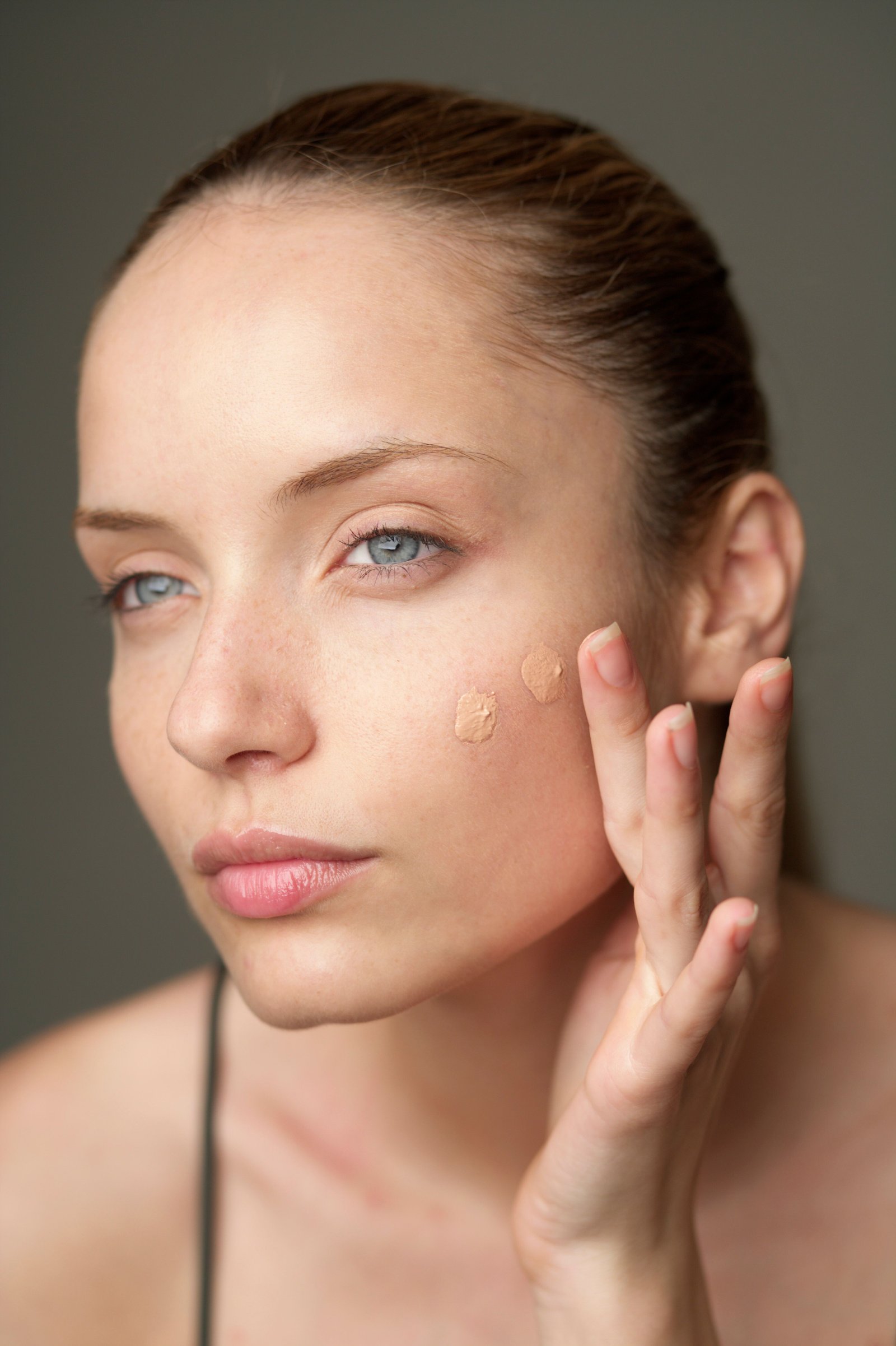
Less is genuinely more with a base cream. A thin, even layer, warmed slightly between the fingertips before pressing it into skin, spreads more evenly than a thick layer massaged in like a moisturizer. Many artists find pressing rather than rubbing helps the product sit on top of skin properly, ready to grip foundation, rather than fully sinking in the way a moisturizer would.
Giving the base a minute or two to set before applying foundation also makes a real difference. Layering foundation on top of a base cream too quickly, while it’s still slightly wet, can cause the two products to mix and pill rather than sit as distinct layers, which is one of the more common reasons a base cream gets blamed for a foundation application that actually just needed a little more patience between steps.
The tool used to apply a base cream matters less than technique, but many artists find clean fingertips or a dedicated silicone applicator both work well, since either lets you feel how the product is spreading and pressing in real time. A brush isn’t necessary for this step, and using one can sometimes apply the product unevenly compared to the direct feedback fingertips give.
When A Base Cream Makes A Visible Difference, And When It Doesn’t
This is the honest section most product-focused articles skip. On already smooth, well-hydrated, low-texture skin, a base cream’s visible impact is genuinely subtle, mostly showing up in slightly longer wear time rather than a dramatic change in appearance. On textured, visibly pored, or dry and flaky skin, the difference tends to be far more noticeable, since the base cream is doing real corrective work the skin needs before foundation goes on.
In our experience, the clearest way to judge whether a base cream is worth it for you specifically is to apply foundation on one half of your face with a base cream and the other half without, under the same lighting, and compare after a few hours. Many people are surprised by how much or how little difference it actually makes on their own skin once they see it side by side rather than guessing.
It’s also worth revisiting this test more than once, since skin can behave differently across seasons or even week to week depending on hydration, sun exposure, or hormonal factors. A base cream that made little visible difference on your skin in one test might genuinely earn its place in your routine a few months later if your skin’s texture or oil production shifts, so it’s less a one-time verdict and more a habit worth checking in on periodically.
Common Mistakes People Make With Makeup Base Cream
The most common mistake is applying too much product, which can leave foundation looking greasy or cause it to slip rather than hold. A second common mistake is mismatching formula to skin type, such as using a heavily hydrating base on already oily skin, which can actually make midday shine worse rather than better. A third is skipping the wait time between base and foundation entirely, rushing the two products together before the base has had a chance to settle.
A fourth, less obvious mistake is applying a base cream only to the center of the face, where texture and shine tend to show up most, and neglecting the rest. Foundation applied over an unevenly primed face can grip differently in different areas, sometimes creating a visible difference in finish between the primed and unprimed zones once the makeup has fully set.
How Reign Beauty Collective Preps Skin Before Foundation
We assess each client’s skin individually during a trial rather than using the same base formula on everyone, since the right choice genuinely depends on skin type and how many hours the finished makeup needs to hold up. If you’re also curious about our full pre-foundation prep, our companion piece, What You Should Know About Cream Makeup Palette, covers how we build color on top of that prepped base.
Ready To Book?
Curious which base formula suits your skin for your wedding day? Reign Beauty Collective tests options with you during a trial in Tampa, FL. Take a look at our Price List, then Book Online to check availability.
Frequently Asked Questions
Do I really need a base cream, or can I skip straight to foundation?
You can skip it, and many people with already smooth skin notice only a subtle difference. On textured or dry skin, though, many artists find a base cream genuinely improves how foundation looks and wears, so it’s worth trying before deciding it’s unnecessary for you.
Does a base cream work with every foundation formula?
Most base creams work well under liquid, cream, and stick foundations. It’s worth checking that a hydrating base isn’t paired with a very oil-heavy foundation on already oily skin, since that combination can feel heavier than either product alone.
How much base cream should I actually use?
A thin, even layer is typically enough, about a pea-sized amount for the whole face. Using too much is one of the more common reasons foundation ends up sliding rather than setting properly.
Will a base cream make my makeup look cakey?
Used sparingly and given a minute to set before foundation, a base cream typically helps makeup look smoother, not cakey. Layering too much product too quickly is usually what causes a heavy, cakey look, rather than the base cream itself.
How do I know if I need a hydrating or mattifying base?
Pay attention to how your skin behaves by midday without any base cream at all. If it gets shiny or oily, a mattifying formula typically helps more, while dry or flaky patches usually respond better to a hydrating one. Reign Beauty Collective can help identify the right type for your skin during a trial.