Quick Answer
Lash glue may not be safe to use if it has no ingredient list, is past its expiry date or very old, has changed smell, color, or texture, or isn’t made for eyelashes, such as nail or craft glue. Stop using any lash adhesive that causes pain, itching, redness, swelling, or vision changes, and see a doctor promptly. The American Academy of Ophthalmology advises against removing extensions yourself if you have an allergic reaction.
Lash glue sits closer to your eyes than almost any other beauty product, which is why lash glue safety deserves more attention than it usually gets. Whether you’re applying strip lashes at home, trying a cluster kit, or getting salon extensions, the adhesive is the part most likely to cause problems, from mild irritation to reactions that need medical care.
As a Tampa bridal hair and makeup team, we apply strip lashes with lash adhesive on wedding days, and we take adhesive choices seriously. This guide covers the product red flags to watch for, the reaction warning signs that mean you should stop, why nail and craft glue never belong near your eyes, how to check a glue before using it, and what to do if you react. We’ve based the safety points on guidance from the American Academy of Ophthalmology and the US Food and Drug Administration, which we checked on October 31, 2026.
What The Experts Say About Lash Glue Safety
The two sources we lean on are worth knowing about. The American Academy of Ophthalmology, the professional body for eye physicians, has a consumer page on eyelash extension safety. It lists risks including infection of the eyelid or cornea, allergic reaction to the glue, and temporary or permanent loss of eyelashes. On regulation, the AAO page states that eyelash extensions and glue “are not currently regulated by the U.S. Food and Drug Administration.”
The FDA’s own eye cosmetic safety page describes things a little differently. It says the agency considers false eyelashes, eyelash extensions, and their adhesives to be cosmetic products, and it advises people to check the ingredients before using these adhesives. In practice, both sources point the same way for consumers. Don’t assume a lash adhesive has been checked for you. Read the label, know what’s in it, and be cautious.
Product Red Flags
The first red flag is a missing or unreadable ingredient list. If you can’t see what’s in an adhesive, you can’t check it for ingredients you’ve reacted to before, and the FDA specifically advises checking ingredients. Be wary of very cheap, unbranded glues from unknown sellers, and of any product claiming to be FDA approved, since cosmetics in the US are generally not approved by the FDA before sale.
The second is age. Check the expiry date or the period after opening symbol on the package, and note when you opened it. Lash adhesives can change as they age and as air gets into the tube. The third is a change in the product itself. If your glue smells different than usual, has changed color, has become stringy, lumpy, or unusually thick, or has separated, stop using it. The fourth is any glue that isn’t made for eyelashes. Only use adhesives labeled for use on lashes.
Reaction Red Flags
The AAO notes that an allergic reaction to lash glue can cause pain, itching, redness, and swelling, and may even temporarily affect vision. Other warning signs include burning or stinging that doesn’t fade within moments, watery or bloodshot eyes, swollen lids, a rash along the lash line, or discharge. Reactions can happen with a product you’ve used before, not only a new one.
If you notice any of these, stop using the adhesive. For strip lashes, gently remove them using a suitable remover. For salon extensions, the AAO advises not to try removing them yourself if you have an allergic reaction, and to see an eye doctor promptly instead. Any pain, significant swelling, or change in your vision is a reason to get medical care quickly.
Nail Glue And Craft Glue Near The Eyes
Nail glue and craft glue do not belong anywhere near your eyes. They’re not designed for the delicate skin of the eyelid or for use near the eye’s surface, and getting them on your lashes or lids can cause serious irritation or injury. The FDA advises against using any cosmetics near your eyes unless they are intended specifically for that use.
This comes up more often than you might think, especially when someone runs out of lash glue and grabs nail glue from a press on nail kit. Please don’t. If any non lash glue gets on your lashes, lids, or in your eye, don’t try to pull it off. Rinse gently with clean water if it’s in the eye and get medical help right away. If you’re curious about lash adhesives designed for the job, our review of Kiss glue looks at one brand’s options.
A Lash Glue Safety Check Before You Use It
Make a quick habit of three checks. First, read the label. Confirm it’s made for eyelashes, read the ingredient list, and look for anything you know you’ve reacted to. If you have a history of sensitivity, ask a doctor or dermatologist which ingredients to avoid. Second, check the date. Look for an expiry date or the period after opening symbol, and if you can’t remember when you opened it, replace it.
Third, patch test. The AAO suggests requesting a spot test on the inside of the wrist before extension glue is applied to the eyes, and the same idea works for strip lash glue at home. Apply a small amount to a patch of skin as the product directs, wait the recommended time, and check for redness or irritation before using it near your eyes. Remember that a patch test lowers the risk but doesn’t guarantee you won’t react. Store glue with the cap tightly closed, away from heat and sunlight, so it stays in good condition for longer.
What To Do If You React To Lash Glue
Stay calm, and don’t rub your eyes. Remove strip lashes gently with a remover suitable for the adhesive, letting it soften the bond rather than pulling. For salon extensions, follow the AAO’s advice and see an eye doctor rather than removing them yourself. Rinse the eye area gently with clean, lukewarm water if glue or fumes are causing irritation.
See a doctor promptly for pain, swelling, discharge, or any change in vision, and bring the product or a photo of its label so they can see the ingredients. The FDA recommends contacting your healthcare provider first if you have a bad reaction to an eye cosmetic, and it also encourages consumers to report adverse reactions to cosmetics. Once you’ve recovered, don’t use that adhesive again, and tell any lash technician or makeup artist about the reaction before your next appointment.
The Gap Most Guides Miss: Lash Glue On A Wedding Day
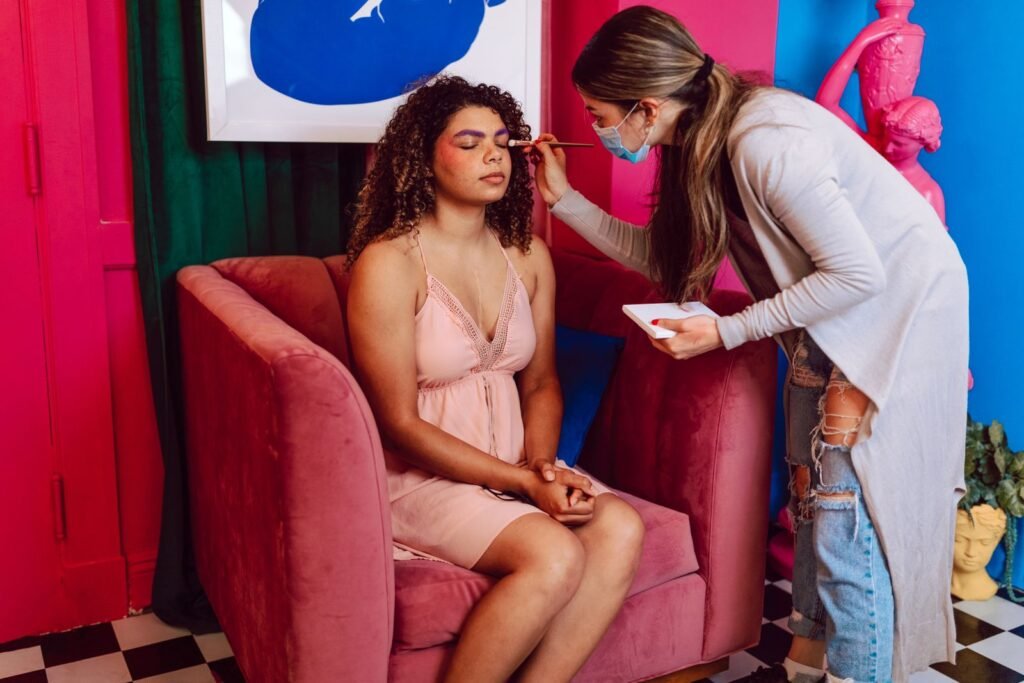
Most lash glue articles stop at general safety, but a wedding raises the stakes. A reaction the day before the wedding is stressful, and swollen lids are hard to cover with makeup. That’s why we suggest patch testing your lash adhesive weeks ahead, wearing your exact lashes and glue at your bridal trial, and never switching to a new glue in wedding week. If you’re getting salon extensions, read what to know before trying lash extensions for the first time and signs your lash extensions were applied incorrectly, and if you’re weighing options, strip lashes vs lash extensions for your wedding and how much eyelash extensions cost can help. Home kits carry their own risks, which we cover in the truth about do it yourself eyelash extensions.
Ready To Book?
Want wedding lashes without the worry? Reign Beauty Collective’s Tampa artists apply strip lashes as part of your bridal makeup using adhesive made for eyelashes, and we test everything at your trial. Tell us about any past reactions when you book, and we’ll plan around them.
Frequently Asked Questions
How do I know if my lash glue has gone bad?
Check the expiry date and when you opened it. If it smells different, has changed color or texture, or has become stringy or lumpy, replace it.
Can I use nail glue for false lashes?
No. Nail glue isn’t made for use near the eyes and can cause serious irritation or injury. Only use adhesives made for eyelashes.
Is lash glue regulated by the FDA?
The FDA says it considers lash adhesives to be cosmetics, while the American Academy of Ophthalmology states that extensions and glue are not currently regulated by the FDA. Either way, read the label and check the ingredients yourself.
What should I do if my eyes swell after lashes?
Stop using the adhesive and remove strip lashes gently. If you have extensions, don’t remove them yourself, and see an eye doctor promptly, especially if there’s pain or vision changes.
What lash glue does Reign Beauty Collective use?
Reign Beauty Collective uses adhesives made specifically for eyelashes and checks dates and condition before every wedding. If you’ve reacted to a glue before, tell us at booking so we can plan accordingly.