Quick Answer
A hair bonding treatment is designed to help strengthen hair from within by supporting the internal bonds that give hair its structure, bonds that can be weakened by bleaching, coloring, chemical services, and heat styling. In our experience, many people notice hair that feels stronger, softer, and less prone to breakage after consistent use. Results vary, and no treatment can guarantee reversing damage, but it can be a helpful part of a healthy hair routine.
If you’ve colored, lightened, or heat styled your hair for years, you’ve probably heard of bond building or bonding treatments. They’ve gone from a salon secret to a whole aisle of shampoos, masks, and serums. As a Tampa bridal hair and makeup team, we’re often asked whether a hair bonding treatment is worth doing before the wedding, and if so, when.
This guide explains what bonding treatments are designed to do at a general, non medical level, the difference between salon and at home options, who tends to benefit most, and how to time a treatment around your styling trial and wedding day. We’ll also cover a common question most guides skip: whether bonding treatments change how your hair holds a style.
What Hair Bonding Treatments Are Designed To Do
Hair gets much of its strength from bonds inside each strand. Chemical services like bleaching, coloring, perms, and relaxers, along with high heat and everyday wear, can break or weaken some of those bonds. Over time, that can leave hair feeling dry, brittle, stretchy when wet, or prone to breakage.
Bonding treatments are formulated to work on those internal bonds. Different brands use different technologies, but the general goal is to help reconnect or reinforce weakened bonds and support the hair’s structure. That’s different from a traditional conditioner, which mainly smooths and coats the outside of the hair to make it feel soft.
It’s important to keep expectations realistic. Hair is not living tissue, and severely damaged hair won’t become brand new. What many people notice is hair that feels stronger, breaks less, and looks healthier over time with consistent use. In our experience, the best results come from combining bonding care with gentler styling habits.
In Salon Versus At Home Bonding Treatments
Salon bonding treatments are typically more concentrated and are often built into color and lightening services, applied during or right after the chemical process. Stylists can also offer standalone in salon treatments. Because professionals control the application, timing, and product strength, salon treatments are often the most intensive option.
At home bonding products include pre shampoo treatments, shampoos, conditioners, masks, and leave in products. They’re usually less concentrated but convenient, and they’re designed for regular use between salon visits. Many people find the best approach combines both: salon treatments with chemical services, and at home products for maintenance.
When using at home products, follow the directions closely. Some bonding treatments are applied to dry hair before shampooing and left on for a set time, while others are used like a regular conditioner or mask. Leaving a product on much longer than directed doesn’t usually add benefit, and using several heavy treatments at once can leave hair feeling weighed down. Consistency over several weeks matters far more than doing everything at once.
Who Tends To Benefit Most From A Hair Bonding Treatment
Chemically treated hair usually shows the biggest difference. That includes bleached and highlighted hair, frequently colored hair, and hair that’s been permed, relaxed, or chemically straightened. Hair that’s heat styled often with flat irons, curling irons, or hot blowouts can also benefit.
Curly and textured hair, which can be naturally more fragile, may benefit from bond support too, especially if it’s colored or heat styled. Hair that’s in good condition, rarely colored, and gently styled may not notice much difference. If you’re unsure whether your hair needs it, ask your colorist or stylist, who can assess your hair in person. And if you’re experiencing sudden hair loss, thinning, or scalp problems, see a dermatologist or physician, since those aren’t issues a bonding treatment addresses.
Do Bonding Treatments Change How Your Hair Holds A Style?
This is the question most guides skip, and it matters for brides. In our experience, healthier, stronger hair often holds curls and shape better, because very damaged hair can be limp, stretchy, or frizzy. So a series of bonding treatments in the weeks before your wedding can make styling easier.
However, some treatments, especially rich masks and leave in products, can leave hair very soft and slippery right after use. That’s lovely for everyday wear but can make updos harder to pin and cause curls to drop. That’s why timing matters. You want the strengthening benefits well before the day, not a slippery, freshly treated texture on the wedding morning.
Timing A Hair Bonding Treatment Before A Wedding
Start early. If your hair is colored or lightened, talk to your colorist two to three months before the wedding about building bonding care into your color appointments. Use at home bonding products consistently in the weeks leading up to the day.
Schedule any in salon treatment at least one to two weeks before your hair and makeup trial, so your stylist tests your style on hair that’s in its wedding day condition. Plan your final color and treatment appointment about one to two weeks before the wedding, not the day before. Then, in the final few days, stick to your usual routine and avoid heavy masks or leave ins the night before and morning of the wedding, unless your stylist recommends otherwise.
If you’re combining bonding treatments with other chemical services, like color, lightening, keratin, or relaxers, get a professional consultation first. Some services need to be spaced apart, and your colorist can create a safe schedule.
How To Tell If A Hair Bonding Treatment Is Working
Because bonding treatments work inside the hair, changes can be subtle at first. Many people notice their hair feels less rough and snaps less when brushing after a few uses. Others notice that hair tangles less, holds heat styles a little better, or feels less stretchy and gummy when wet, which is a common sign of heavily lightened hair.
A simple way to track progress is to pay attention to breakage. Notice how many short, broken pieces end up in your brush or on your bathroom counter before you start, then again after several weeks of consistent use. Photos of your ends in natural light can help too.
Be patient and consistent. A single treatment may make hair feel nicer for a wash or two, but most people see the most noticeable difference over several weeks. If you don’t notice any change after a couple of months, talk with your colorist or stylist, since your hair might need a different approach, a trim, or simply gentler styling habits.
Everyday Habits That Support Stronger Hair
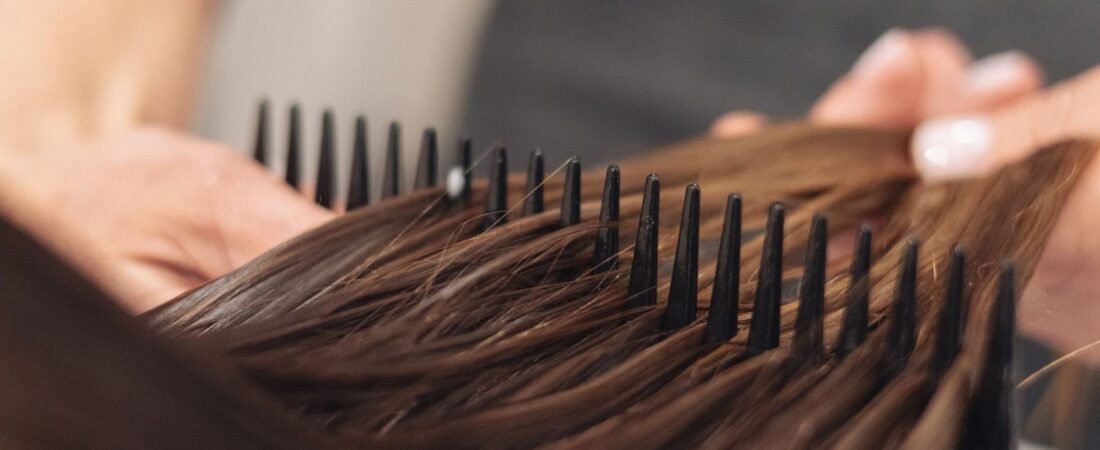
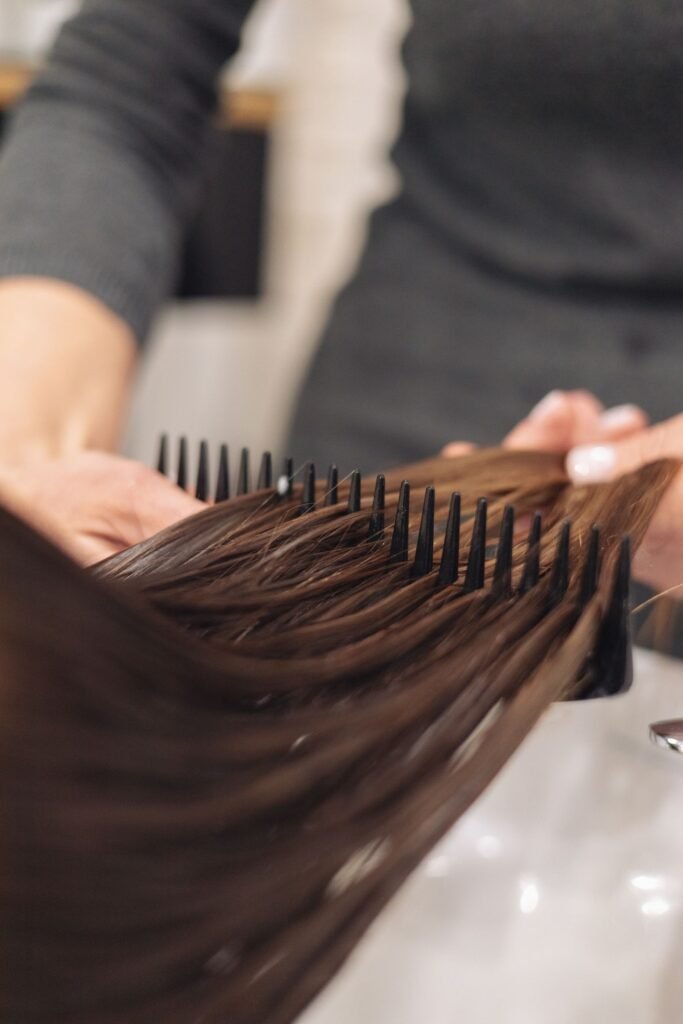
Bonding treatments work best alongside gentle habits. Use a heat protectant every time you heat style, lower your tool temperature when you can, and give your hair heat free days. Detangle gently, starting from the ends, and use a wide tooth comb on wet hair. Sleep on a smooth pillowcase or tie hair loosely at night. Keep up with regular trims to remove split ends before they travel up the strand. And be gentle with tight hairstyles, which can stress the hair and scalp over time.
Wedding Ready Hair With Reign Beauty Collective
Our bridal hair styling service plans your style around your hair’s real condition and texture. Share your color and treatment schedule when you book, and we’ll help you time everything so your hair is at its best for your trial and wedding day. You can see styles on real brides in our team portfolio, and for more on specific products, see our guide to Olaplex oil.
Ready To Book?
Planning color, treatments, and your wedding day style? Reign Beauty Collective’s Tampa team helps you time hair prep around your trial and wedding so your style holds beautifully. Check availability for your date and share your hair history when you book.
Frequently Asked Questions
Can a bonding treatment fix my damaged hair completely?
No treatment can guarantee reversing damage, and results vary. In our experience, many people notice stronger, softer hair with consistent use.
Is a salon treatment better than an at home one?
Salon treatments are usually more concentrated, while at home products are great for maintenance. Many people use both.
How close to my wedding can I get a bonding treatment?
We suggest at least one to two weeks before, and ideally before your styling trial. That way your stylist tests your hair in its wedding day condition.
Can I get a bonding treatment with color?
Many colorists include bonding treatments in color and lightening services. Ask for a professional consultation before combining it with other chemical services.
Will a bonding treatment make my updo slip?
Freshly treated hair can feel very soft and slippery, which can make pinning harder. Reign Beauty Collective recommends finishing treatments well before the wedding day.