Quick Answer
A common guideline for when to dye your hair before the wedding is roughly two weeks out for a simple color touch-up, and several months out for anything more dramatic, like a first-time color change or a significant shift in tone. Timing further from the wedding date gives your colorist room to adjust if the result needs fine-tuning, and it gives your hair time to settle before your styling trial. Any specific coloring or allergy questions should always go to a licensed colorist rather than general guidance like this.
Deciding when to dye your hair before the wedding is one of those details that seems minor until it isn’t. Get the timing right, and your color looks fresh and intentional on the day itself. Get it wrong, and you’re either dealing with visible regrowth or a color that hasn’t quite settled into how it photographs. Understanding the general timing principles ahead of time makes this a much easier decision to plan around, and it’s one of those wedding planning tasks that genuinely benefits from being handled early rather than squeezed in during an already busy final week.
Why Timing Further From The Wedding Date Is Generally Safer
Hair color, especially anything new or more dramatic than your usual routine, can behave a little differently than expected, and that’s simply part of working with a natural material like hair. A common guideline among stylists is to build in enough time for a follow-up adjustment if needed, which is much easier to do when the wedding date isn’t looming the next day. This is true even for brides who’ve colored their hair many times before, since factors like sun exposure, water, and general hair health can all subtly affect how a familiar color turns out on any given appointment.
Many brides find that timing color further out also takes a surprising amount of pressure off the whole process. Instead of a single high-stakes appointment squeezed in right before the wedding, there’s room for the color to settle, for you to live with it for a bit, and for any small tweaks to happen calmly rather than in a rush. It also gives you time to see how the new color photographs in everyday situations, under different lighting and in casual phone photos, well before it needs to hold up under the more demanding lighting of wedding photography.
Touch-Up Versus Dramatic Change: Why The Timing Differs
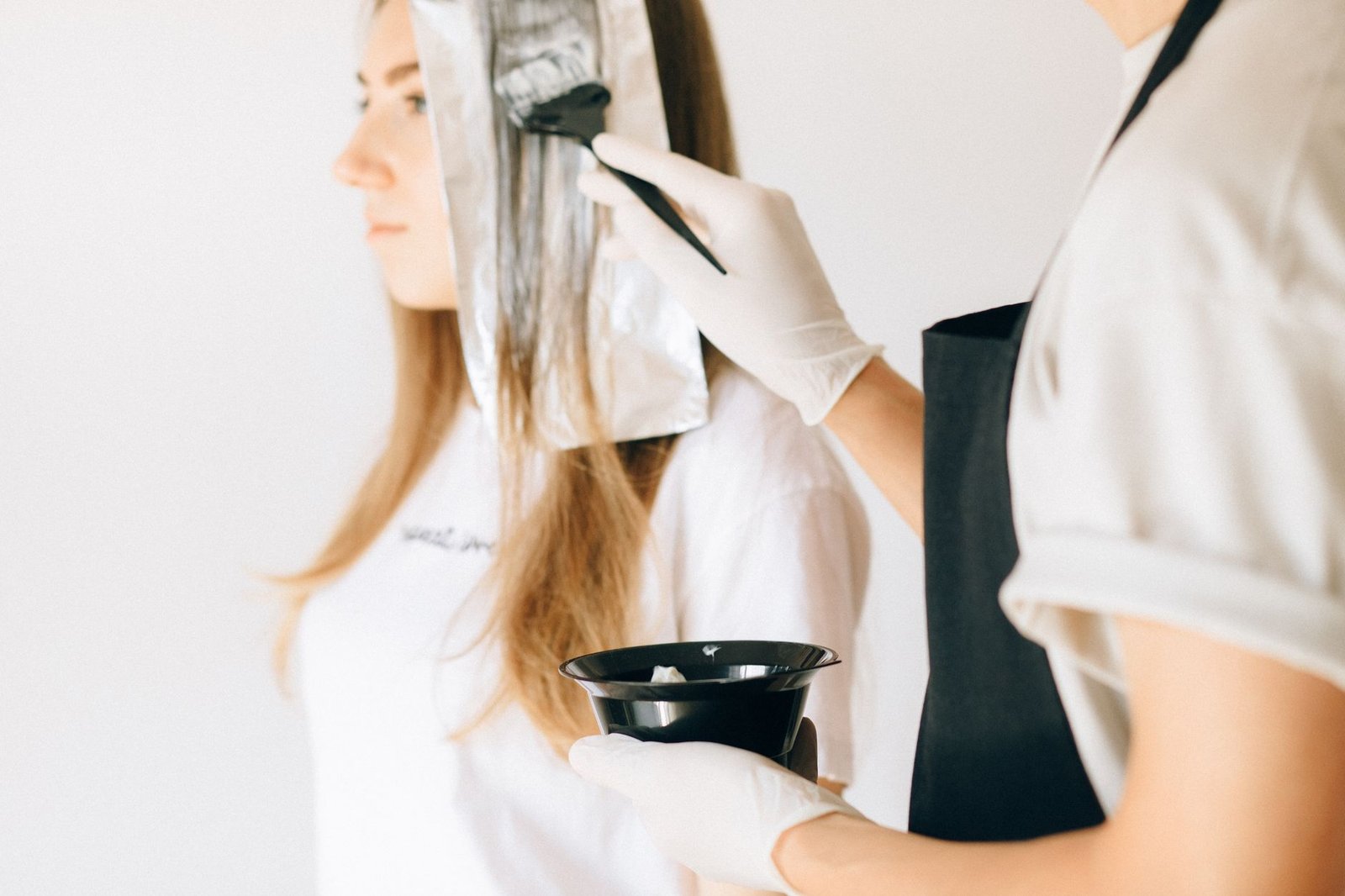
A small touch-up, like refreshing roots on a color you already wear regularly, generally needs far less lead time than a significant change, since your colorist already knows how your hair responds to that specific process. A common guideline here is around two weeks before the wedding, close enough that regrowth hasn’t returned but far enough out that any minor adjustment can still happen comfortably. This window also tends to leave enough time for your hair to fully settle from any conditioning treatment that came with the appointment, so it feels and photographs like your regular hair rather than freshly processed hair on the wedding day itself.
A more dramatic change, such as moving to a noticeably different tone or trying a process you’ve never done before, is a different situation entirely and deserves significantly more lead time, often several months. This gives a licensed colorist room to work gradually toward the result, which is generally a safer approach for hair health than trying to achieve a big change in one single appointment right before the wedding. Many colorists build a dramatic change across a series of appointments rather than one visit, which is another reason this process simply can’t be compressed into the final weeks before a wedding without added risk.
Scheduling Your Color Appointment Around Your Bridal Hair Trial
This is a detail that’s easy to overlook but genuinely matters: your bridal hairstylist should be working with your finished wedding color, not a version of your hair that’s about to change. Scheduling your color appointment before your styling trial, with enough time in between for the color to settle, means your stylist can plan your updo or style around exactly how your hair will actually look on the wedding day.
In our experience, brides who color their hair after their bridal trial sometimes find that small things, like how a certain shade catches the light or how a color interacts with a particular styling product, look slightly different than what was tested. Getting your color finalized first, then trialing your style, removes that gap entirely and gives you a much more accurate preview of your actual wedding day look. It also means any decisions made at the trial, like whether to add a particular accessory or adjust the part, are based on how your hair genuinely looks rather than a placeholder version of it.
Why A Patch Test And Colorist Consultation Matters
Any new or significant hair color change should start with a proper consultation and, where appropriate, a patch test with a licensed colorist, not a general guide like this one. Individual hair and scalp sensitivity vary, and a licensed professional is the only one who can properly evaluate what’s safe and appropriate for your specific hair and history.
This step matters just as much for brides who’ve colored their hair before as it does for first-timers, since reactions can develop even to processes someone has tolerated well in the past. Building this consultation into your timeline early, rather than skipping it to save time, is one of the simplest ways to protect both your hair and your health before the wedding. It’s also worth mentioning any other planned beauty appointments, like a keratin treatment or a specific styling product you’re hoping to use, so your colorist can advise on the right order and spacing for all of it together.
Common Mistakes Brides Make Timing Their Hair Color
The most common mistake is scheduling a dramatic color change too close to the wedding date, leaving no time to adjust if the result isn’t quite right or if hair needs extra care to recover its usual condition. A common guideline is to treat any first-time or significant change as a months-long process, not a single appointment.
Another mistake is coloring hair after the styling trial rather than before it, which means your stylist is working with information that’s about to be outdated. Many brides also underestimate how long it takes to book with a busy colorist close to a wedding date, so starting the conversation early, even before you know your exact date, is worth doing if you’re already considering a change. A third, less obvious mistake is assuming every bridesmaid or family member’s coloring timeline should match the bride’s exactly. Everyone’s hair responds differently, and a timeline that works well for one person isn’t automatically the right one for another.
What To Expect When You Book Your Trial With Reign Beauty Collective
Reign Beauty Collective is a licensed, published on-location hair and makeup team based in Tampa, Florida, serving brides throughout Tampa, St. Petersburg, Clearwater, Sarasota, Orlando, Miami, and beyond, with the ability to travel worldwide. We coordinate your styling trial around your finished hair color whenever possible, so the updo or style we plan together reflects exactly what your hair will look like on the wedding day.
Our Why Your Bridal Hair And Makeup Trial Matters guide covers more on how to plan your trial timing, and our Ultimate Wedding Glow-Up Guide covers the bigger picture of preparing for your wedding day beauty. You can browse real finished looks on our gallery page and see current pricing on our Price List.
Ready To Book?
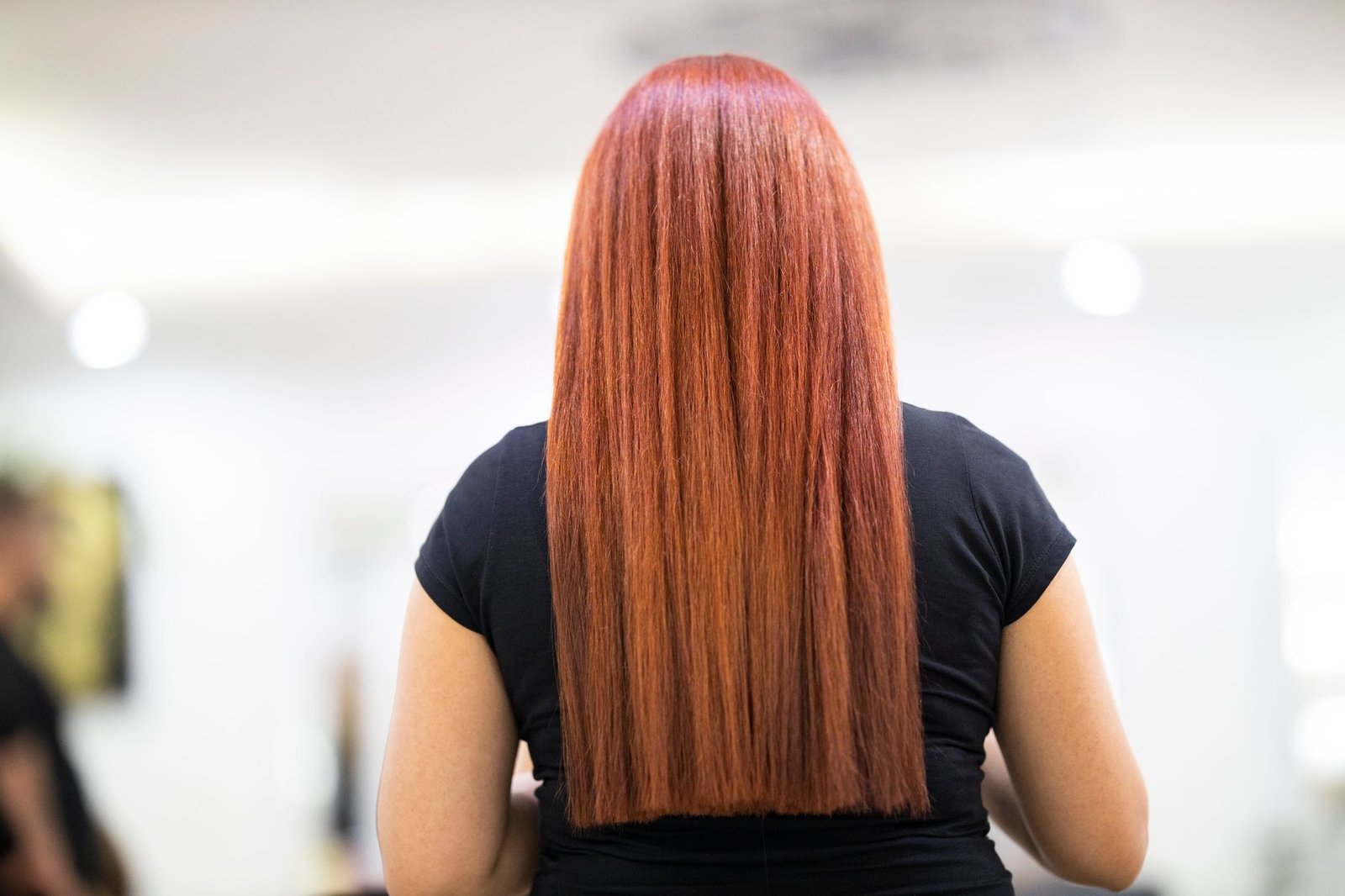
Once your hair color is finalized, Reign Beauty Collective would love to build your wedding day style around it at a trial. Based in Tampa, FL and available throughout the Tampa Bay area, Orlando, Miami, and beyond, we plan every trial around your actual finished hair for the most accurate preview possible. Take a look at our Price List to see current pricing, then Book Online to check availability.
Frequently Asked Questions
I’m worried my hair color will fade or change before the wedding, what should I do?
Scheduling your color appointment with enough buffer before the wedding, rather than the day before, gives you time to notice any fading and book a quick refresh if needed. Your licensed colorist can advise on realistic timing based on how your specific color tends to hold up.
Is it safe to dramatically change my hair color close to my wedding date?
A common guideline is to avoid dramatic, first-time changes close to the wedding and instead start the process several months out with a licensed colorist. Any specific safety or allergy questions should always be directed to your colorist rather than general guidance like this.
How do I time a root touch-up so it looks fresh but not obviously brand new?
Many brides find that roughly two weeks before the wedding strikes a good balance, giving the color time to settle while staying close enough that regrowth hasn’t returned. Your colorist can help fine-tune this timing based on how quickly your specific hair typically grows and fades.
Should I color my hair before or after my bridal hair trial?
Coloring your hair before your trial, with time in between for it to settle, means your stylist works with your actual finished color rather than a version that’s about to change. This is one of the most overlooked timing details in bridal beauty planning, and getting the order right makes a real difference in your trial’s accuracy.
What if I have a reaction or allergy concern about hair color?
Any allergy or sensitivity concern should be discussed directly with a licensed colorist, ideally including a patch test well before your appointment, rather than addressed through general guidance. This is genuinely important, and it’s not something a hairstyling guide like this one is equipped to advise on.