Quick Answer
Do it yourself eyelash extensions are at home kits of lash clusters or segments, a bonding adhesive, and a few tools, sold as a cheaper, faster alternative to salon extensions. They can look good once you’re practiced, but they carry real risks, including adhesive reactions, damage to natural lashes, and eye injury from applying close to the lash line yourself. If you try them, patch test first, use only adhesives made for eyelashes, and practice well before any big event.
At home lash kits have exploded in popularity, and it’s easy to see why. Videos show someone tucking a few clusters under their lashes and walking away with what looks like a fresh set of salon extensions, for a fraction of the price. Do it yourself eyelash extensions promise that same result at home, on your own schedule, with no appointment and no recurring salon bill.
We want to give you an honest picture. Reign Beauty Collective is a Tampa bridal hair and makeup team, and we don’t apply salon lash extensions. We do see plenty of brides who’ve tried at home kits, and we’ve learned what tends to go well and what doesn’t. This guide covers what’s in a kit, how DIY compares with professional extensions, the real risks, and how to approach it safely if you decide to try. If you’re more interested in simple at home strip and cluster lashes, our guide to DIY lashes covers that side.
What At Home Do It Yourself Eyelash Extensions Kits Include
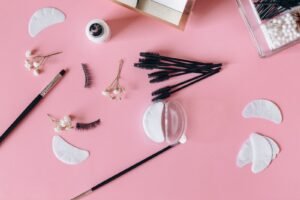
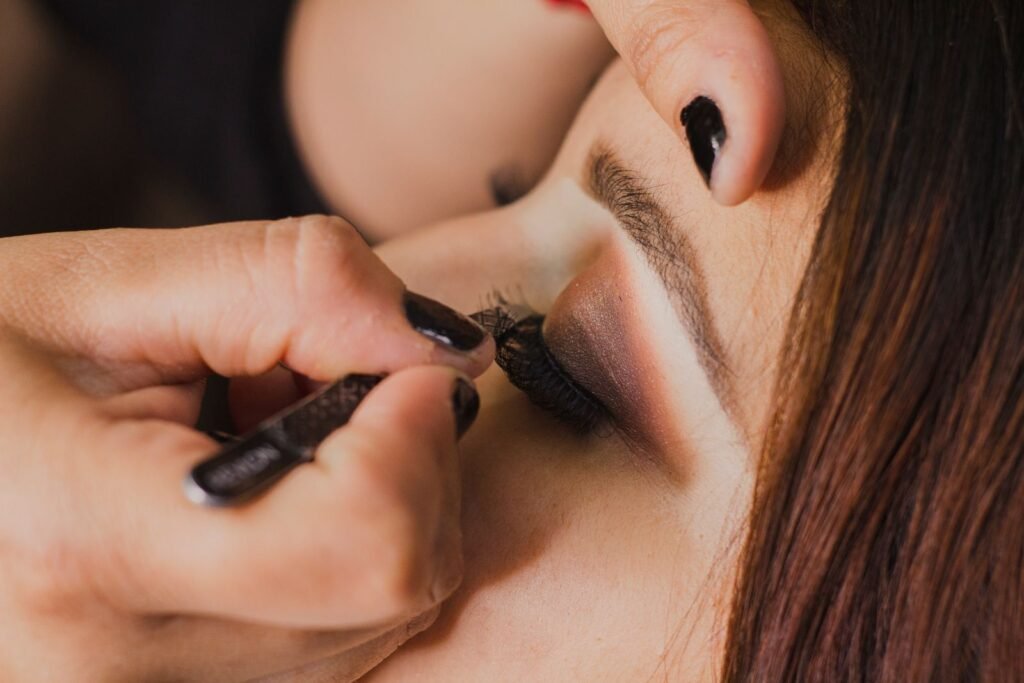
Most kits include lash clusters or segments, which are small groups of lash fibers in mixed lengths, so you can build a shape that’s longer at the outer corners. Some kits use individual lashes or very small fans instead. The clusters are usually designed to be placed under your natural lashes, though some sit on top.
Alongside the lashes, you’ll usually find a bond, which is the adhesive that holds the clusters to your natural lashes, and often a sealant meant to reduce tackiness and help the set last. Many kits include an applicator tool or tweezers for placing segments, and some include a remover. A few kits come pre glued. If you want a closer look at a typical kit, our review of a DIY lash extension kit walks through the parts in more detail.
DIY Versus Professional Extensions
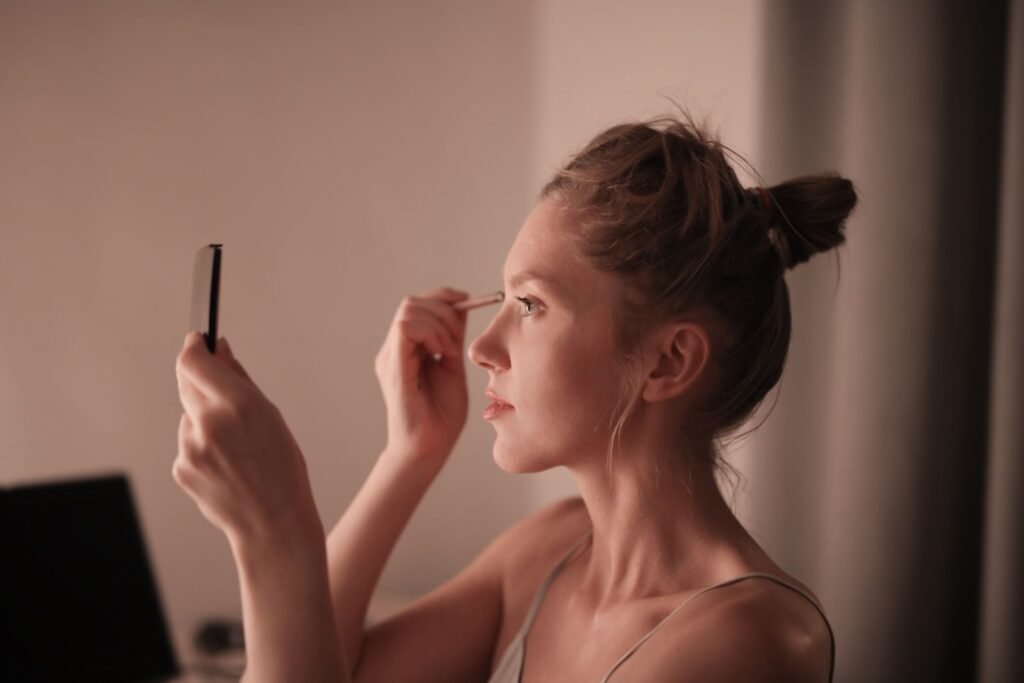
The biggest difference is who’s applying them and how. A trained lash technician works on your lashes while your eyes are closed, isolating each natural lash and attaching an extension to it, with you lying down and the technician able to see clearly. With DIY, you’re applying clusters to your own lash line while looking into a mirror, with your eyes open or half open, which is much harder to do precisely and safely.
Results differ too. Professional sets are designed to shed naturally with your lash cycle and last weeks with fills. At home clusters are usually worn for days, not weeks, and are removed and reapplied. Time and money are the main appeal of DIY. A kit costs far less than a salon appointment, and once you’re practiced, application can be quick. The tradeoff is that the learning curve is real, and mistakes happen close to your eyes. Professional application also comes with a consultation, a technician who can assess whether your natural lashes can handle extensions, and, ideally, a patch test.
The Risks To Know About
Adhesive is the first concern. Lash bonds can cause irritation or allergic reactions in some people, with symptoms such as redness, itching, swelling, or a burning feeling around the eyes. Reactions can happen even if you’ve used a product before. Patch test before first use, use only adhesives made for eyelashes, and check the ingredient list and expiry date. If your eyes or eyelids become painful, red, itchy, or swollen, remove the lashes carefully, stop using the product, and see a doctor.
Damage to natural lashes is the second. Gluing clusters across several natural lashes, wearing them for too long, or pulling them off without softening the bond can break or pull out your own lashes. Repeated, back to back wear without breaks can leave lashes looking sparse. Eye safety is the third risk. Working with tweezers and glue close to your open eye raises the chance of poking the eye, getting adhesive on the lid or in the eye, or irritating the delicate skin of the lash line. If adhesive gets in your eye, rinse gently with clean water and get medical help.
For a closer look at what to watch for in a product, our guide to red flags that mean your lash glue isn’t safe to use covers labels, smells, and reactions. And if you’ve had professional extensions that felt wrong, signs your lash extensions were applied incorrectly explains what’s normal and what isn’t.
The Gap Most Guides Miss: Removal Is Where Most Damage Happens
Most DIY lash articles spend all their time on application. In our experience, the bigger risk to natural lashes comes at the end, during removal. It’s tempting to peel off a set that’s started to lift, especially late at night, but pulling clusters off can take natural lashes with them.
Use the remover your kit recommends, or an oil based remover if the instructions allow, and give it time to soften the bond before gently sliding the clusters away. Never tug. Plan regular breaks between sets so your natural lashes can rest. If you notice gaps, thinning, or lashes coming out at the root, stop wearing at home extensions for a while, and see a doctor or dermatologist if lash loss continues.
If You Decide To Try Do It Yourself Eyelash Extensions
Start with a patch test, following the product’s directions, and wait the recommended time before applying near your eyes. Choose a kit from a reputable brand with a full ingredient list and clear instructions, and check the expiry date. Begin with fewer clusters than you think you need, perhaps just a few at the outer corners, and build skill gradually.
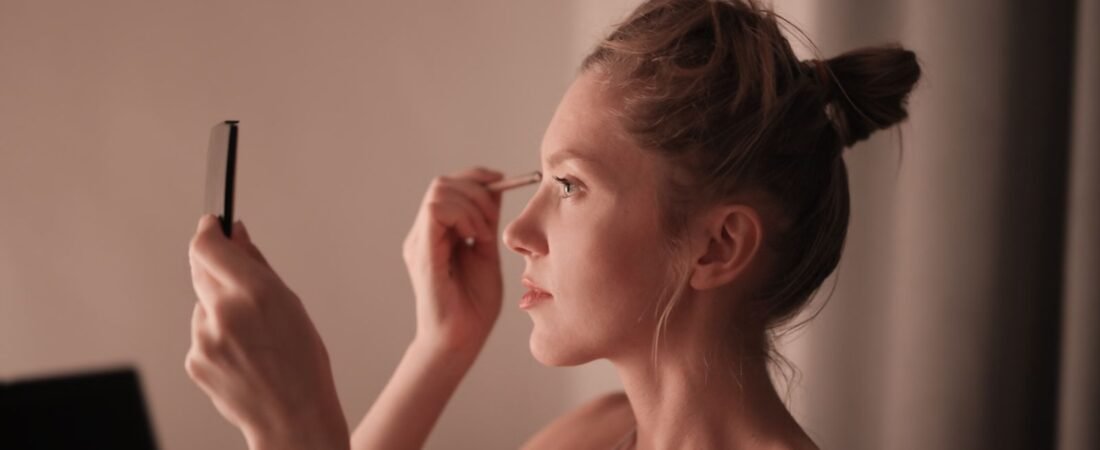
Apply in good light, with your mirror below your face so you can look down and see your lash line clearly. Keep the adhesive off your skin and lids. Wear your first set on a quiet day at home, so if anything feels uncomfortable you can remove it without pressure. Most importantly, stop immediately if you feel stinging, burning, or anything in your eye.
Be realistic about your eyes, too. If you have very sensitive eyes, wear contact lenses that tend to get irritated, have had eye surgery, or have a history of allergies or eye conditions, talk to an eye doctor before trying any at home lash system. Hooded or deep set lids can also make DIY application trickier, because the lid can press on the clusters and lift them. None of this means you can’t wear lashes, only that a professional, or a simpler strip lash, may suit you better.
Do It Yourself Eyelash Extensions For A Wedding Day
If you’ve never tried DIY extensions, your wedding week is not the time to start. A first attempt usually takes longer than expected, results can be uneven, and an adhesive reaction days before the wedding is a stressful thing to deal with. If you love the look, practice several times over the months before, ideally doing a full day trial in warm weather.
For many brides, the safer approach is to leave lashes to a professional on the day. That can mean salon extensions applied by your own lash technician well ahead of the wedding, or strip lashes applied as part of your bridal makeup. Our guides to strip lashes vs professional lash extensions for your wedding and what to know before trying lash extensions for the first time can help you decide, and how much eyelash extensions cost helps with budgeting.
Ready To Book?
Not sure whether at home lashes are worth the risk for your wedding? Reign Beauty Collective’s Tampa artists include lashes as part of your bridal makeup and will test the look at your trial. If you’re planning salon extensions, we’ll help you coordinate timing with your own lash technician. Book your bridal trial to plan your lashes.
Frequently Asked Questions
Are do it yourself eyelash extensions safe?
They can be worn safely by some people, but there are real risks, including adhesive reactions and damage to natural lashes. Patch test, use only adhesives made for eyelashes, and stop if your eyes become irritated.
How long do at home lash extensions last?
Usually a few days rather than weeks, depending on the kit, your lid oils, and how carefully you apply and care for them. Real wear varies a lot from person to person.
Will DIY extensions ruin my natural lashes?
They can if they’re glued across several lashes, worn for too long, or pulled off. Gentle removal and regular breaks help protect your lashes.
Can I do my own lash extensions for my wedding?
You can if you’re very practiced, but wedding week isn’t the time to try them for the first time. Many brides prefer professionally applied lashes on the day.
Does Reign Beauty Collective apply lash extensions?
No, Reign Beauty Collective doesn’t do salon lash extensions. We include lashes as part of bridal makeup and are happy to work around extensions applied by your own technician.