Quick Answer
For most people, setting spray is safe to use and isn’t bad for the skin when it’s chosen well and washed off at the end of the day, but it isn’t a skincare product either. Its job is to hold makeup in place with a thin film, not to treat or improve the skin. Formulas high in alcohol or fragrance can feel drying or irritating for sensitive skin, so gentler, alcohol free options are often a better fit for reactive skin types.
Is setting spray good for your skin? It’s one of the most common hesitant questions we hear from brides, usually from people with sensitive skin who’ve had a spray sting, or who worry that “locking in” makeup means locking in clogged pores. As a Tampa bridal hair and makeup team, we use setting spray on nearly every wedding face, so we’ve thought about this question carefully.
Here’s our honest answer. We’ll explain what setting spray is actually doing on your skin, when it can cause problems, how to choose a gentler formula, how often is too often during a long day, and a simple checklist for deciding whether you should skip it altogether.
What Setting Spray Is Actually Doing To Your Skin
Most setting sprays are mostly water, combined with film forming ingredients that leave a very thin, flexible layer on the surface of your skin. That film helps makeup particles stay together and resist rubbing, sweat, and transfer. Many sprays also include humectants like glycerin to help the finish look fresh, and some include alcohol to help the spray dry quickly.
That film sits on top of your makeup, not deep in the skin. It doesn’t change how your skin functions, and it washes away when you cleanse. In that sense, setting spray is similar to other makeup products: generally fine for most people when used as intended and removed properly at night.
What setting spray doesn’t do is treat skin. Some sprays are marketed with skincare sounding ingredients, and they may make skin feel more comfortable in the moment, but they aren’t a replacement for moisturizer, sunscreen, or treatment from a dermatologist.
When Setting Spray Can Cause Problems
Alcohol content is the most common culprit. Sprays with a lot of alcohol near the top of the ingredient list can feel tight, stingy, or drying, especially on dry, sensitive, or compromised skin. Over time, frequent use of very drying products may leave some people feeling more irritated or flaky.
Fragrance is another. Fragrance is a common cause of skin sensitivity, so a heavily scented spray may bother reactive skin even if the formula is otherwise gentle. Some people also react to specific preservatives or botanical extracts. If you notice stinging, burning, redness, itching, or small bumps after using a setting spray, stop using it and wash your face gently. If the reaction doesn’t settle, check in with a dermatologist.
Breakouts are a separate concern. Setting spray itself isn’t usually the main cause of acne, but any product can contribute if it doesn’t suit your skin, and sleeping in makeup is a much bigger risk. Removing makeup thoroughly every night matters more than the spray you choose. On a wedding night, that can be the last thing you want to think about, so pack a gentle cleanser or cleansing balm and a soft cloth in your overnight bag so removal takes two minutes.
Choosing A Setting Spray Good For Your Skin
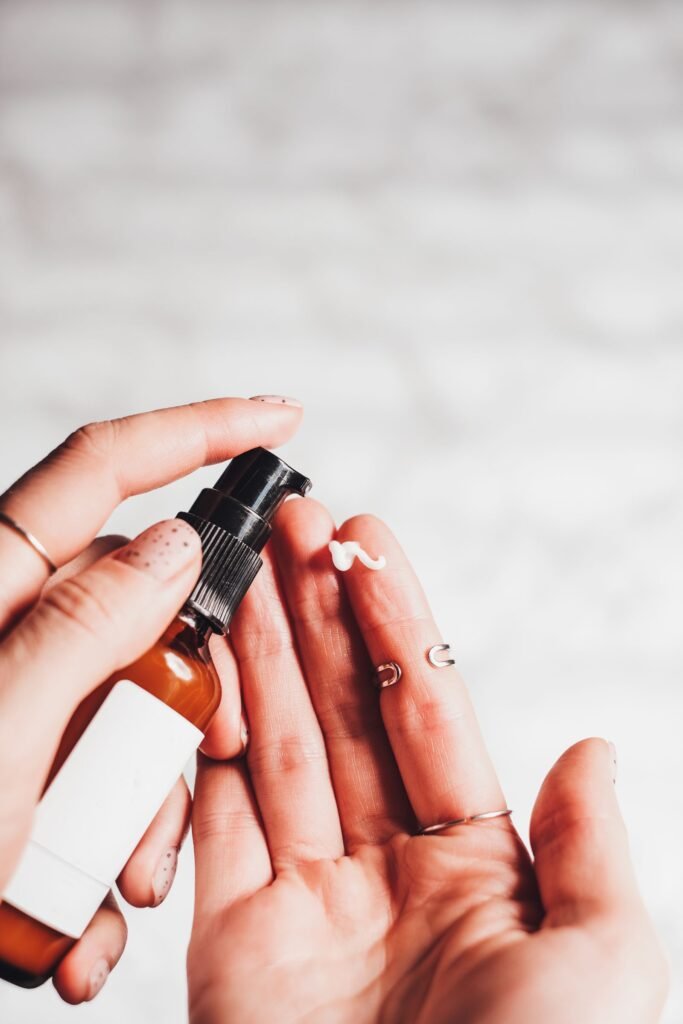
If your skin is sensitive, start with the label. Look for alcohol free or low alcohol formulas, where alcohol appears far down the list or not at all. Choose fragrance free if possible. Hydrating formulas with glycerin, aloe, or hyaluronic acid tend to feel more comfortable on dry and sensitive skin.
If you’re acne prone, look for products labeled non comedogenic, and be cautious with heavy oils. Patch test any new spray before using it on your whole face. A simple method is to mist a small area along the jawline or behind the ear once a day for a few days and watch for redness, itching, or bumps. If you have a known skin condition like rosacea, eczema, or allergic dermatitis, it’s worth asking your dermatologist which ingredients to avoid.
Setting Spray Versus Facial Mists And Skincare Sprays
Part of the confusion around this question comes from how many different sprays exist. Facial mists and toners in spray bottles are skincare products, designed to hydrate or soothe, and they usually contain little or no film forming ingredients. They can refresh skin but won’t hold makeup in place for long.
Setting sprays and fixing sprays are makeup products. They’re designed to hold makeup, and their film formers are the reason they work. Some hybrid products try to do both, marketed as skincare sprays that also set makeup. They can be a nice middle ground for sensitive skin, though they may not last as long in heat as a dedicated long wear spray.
Knowing which type you’re using helps set expectations. If a facial mist didn’t make your makeup last, it wasn’t designed to. If a strong fixing spray felt drying, it may have been designed for maximum hold rather than comfort. Matching the product to the job, and to your skin, is usually what separates a good experience from a bad one.
How Often Is Too Often
On an ordinary day, one application after makeup is usually plenty. On a long day like a wedding, a light mist after the ceremony and possibly before the reception is typically enough. More than that tends to add wetness and product buildup without improving wear.
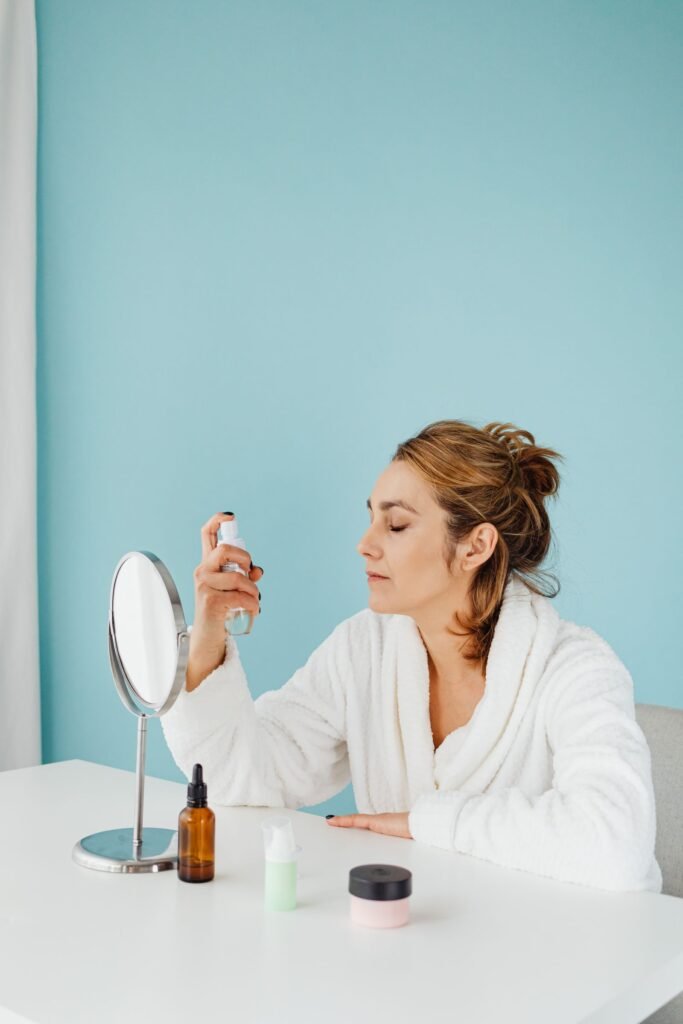
Heavy, repeated spraying can make makeup look wet, cause foundation to separate, and, for sensitive skin, increase the chance of irritation. Blotting shine first and then misting lightly is gentler and more effective than spraying over oil. Always close your eyes and mouth, hold your breath while spraying, and keep the bottle at a comfortable distance so the mist settles evenly. If your eyes are sensitive, avoid spraying directly toward them.
A Simple Checklist: Should You Skip Setting Spray?
This is the part most guides leave out. You might skip setting spray, or use it only lightly, if your makeup already lasts well for your event, if your skin reacts to most sprays, if you have active irritation or a flare of a skin condition, or if you’re wearing very minimal makeup that doesn’t need extra hold.
You’ll probably want setting spray if your event is long, hot, or humid, if your makeup tends to fade or transfer, if powder looks dry on your skin, or if you’re being photographed for hours. For most Tampa weddings, a gentle, well chosen spray is worth it. For a short, air conditioned event with minimal makeup, it may be optional.
How We Handle Sensitive Skin On Wedding Days
If you have sensitive skin, tell your artist when you book and again at your bridal trial. Bring a list of products you know you react to, and any products you know work well for you. We’ll choose gentle, fragrance free options where possible, avoid spraying toward your eyes, and test the full routine before the wedding.
Our bridal makeup service adjusts products for your skin, and airbrush makeup is another option some brides with sensitive skin prefer because it uses very thin layers. For more on choosing sprays, our guides to choosing the best setting spray and hydrating setting spray go deeper.
Is Setting Spray Good For Your Skin In Florida Heat?
Heat and humidity change how products behave. Sweat and humidity can loosen makeup, which makes a gentle setting spray genuinely useful at outdoor Tampa weddings. At the same time, heat can make some skin more reactive, and a spray that’s fine indoors might sting slightly on flushed, warm skin. Choosing a gentle formula, applying it in a cool room before heading outside, and letting it dry fully before you step into the sun can help.
Ready To Book?
Have sensitive skin and worried about wedding day products? Reign Beauty Collective’s Tampa team builds gentle, long wear routines around your skin and tests every step at your trial. Check availability for your date and share your skin concerns when you book so we can plan ahead.
Frequently Asked Questions
Will setting spray clog my pores?
Most setting sprays aren’t a major cause of clogged pores, especially non comedogenic ones. Removing makeup thoroughly every night matters much more.
Is alcohol in setting spray bad for my skin?
It can be drying or irritating for sensitive or dry skin. If that’s you, look for alcohol free formulas and patch test first.
Can I use setting spray every day?
Many people do without issues, as long as the formula suits their skin and they cleanse well at night. Stop if you notice irritation.
What should I do if a setting spray stings?
Wash your face gently with cool water and a mild cleanser, and stop using the product. If redness or discomfort continues, see a dermatologist.
Can I skip setting spray on my wedding day?
You can, and Reign Beauty Collective can use other methods to help makeup last. For long, humid weddings, a gentle spray usually helps.