Quick Answer
Pancake makeup is a classic, heavy-coverage cake foundation originally developed for early Technicolor film, applied with a damp sponge for a smooth, highly opaque, matte finish. It is rarely used in mainstream film or television today, but it still has a real place in editorial and creative photoshoot makeup where maximum, flawless coverage is genuinely the goal. Modern versions remain a legitimate professional tool for that specific creative use, not an outdated relic.
The term pancake makeup gets thrown around casually, often without anyone actually knowing where it came from or whether it still has a real use today. As a Tampa team that does creative and editorial photoshoot makeup regularly, here’s the honest history and modern reality behind pancake makeup.
It’s also a term that occasionally gets used loosely and incorrectly online to describe any heavy foundation application, which adds to the confusion around what it actually is. Separating the genuine historical product and technique from the casual internet shorthand is worth doing before deciding whether it’s actually right for a specific creative concept.
What Pancake Makeup Actually Is, And Where It Came From
Pancake makeup was developed in the 1930s specifically to solve a problem with early Technicolor film, where ordinary skin tones read as strange or unnatural under that era’s film stock and lighting. A pressed, cake-format foundation applied with a damp sponge gave a smooth, opaque, highly matte finish that photographed correctly under those specific conditions.
This differs meaningfully from modern cream or liquid foundation, which is designed to sit more naturally on skin and often includes some level of sheen or dewiness. Pancake makeup was built entirely around flat, even opacity, since that was exactly what the film technology of its era required.
The Formats Pancake Makeup Still Comes In Today
Original-style cake foundations are still manufactured by a handful of theatrical and professional makeup brands, sold in a pressed compact format meant to be activated with a damp sponge exactly as the original 1930s product was. These are the closest modern equivalent to the true historical formula, and the ones editorial artists tend to reach for when a concept specifically calls for that authentic, flat matte finish.
Some brands also sell a cream-to-powder hybrid marketed loosely under the pancake name, which offers a lighter, more forgiving version of the effect without quite the same extreme opacity as a true water-activated cake. Knowing which format a specific product actually is, rather than assuming from the name alone, helps set the right expectation before a shoot.
Why It Delivers Such Heavy, Matte Coverage
The cake format itself is the reason for the coverage level. A pressed powder-pigment blend, activated with a damp sponge rather than worn as a dry powder, builds an opaque layer far beyond what a standard liquid or cream foundation achieves in a single application, since the water activation lets pigment deposit much more densely.
This is genuinely useful when a look needs to read as completely uniform and flawless from a distance or under strong studio lighting, exactly the kind of demand a creative editorial concept sometimes calls for.
Modern Editorial And Creative Photoshoot Uses
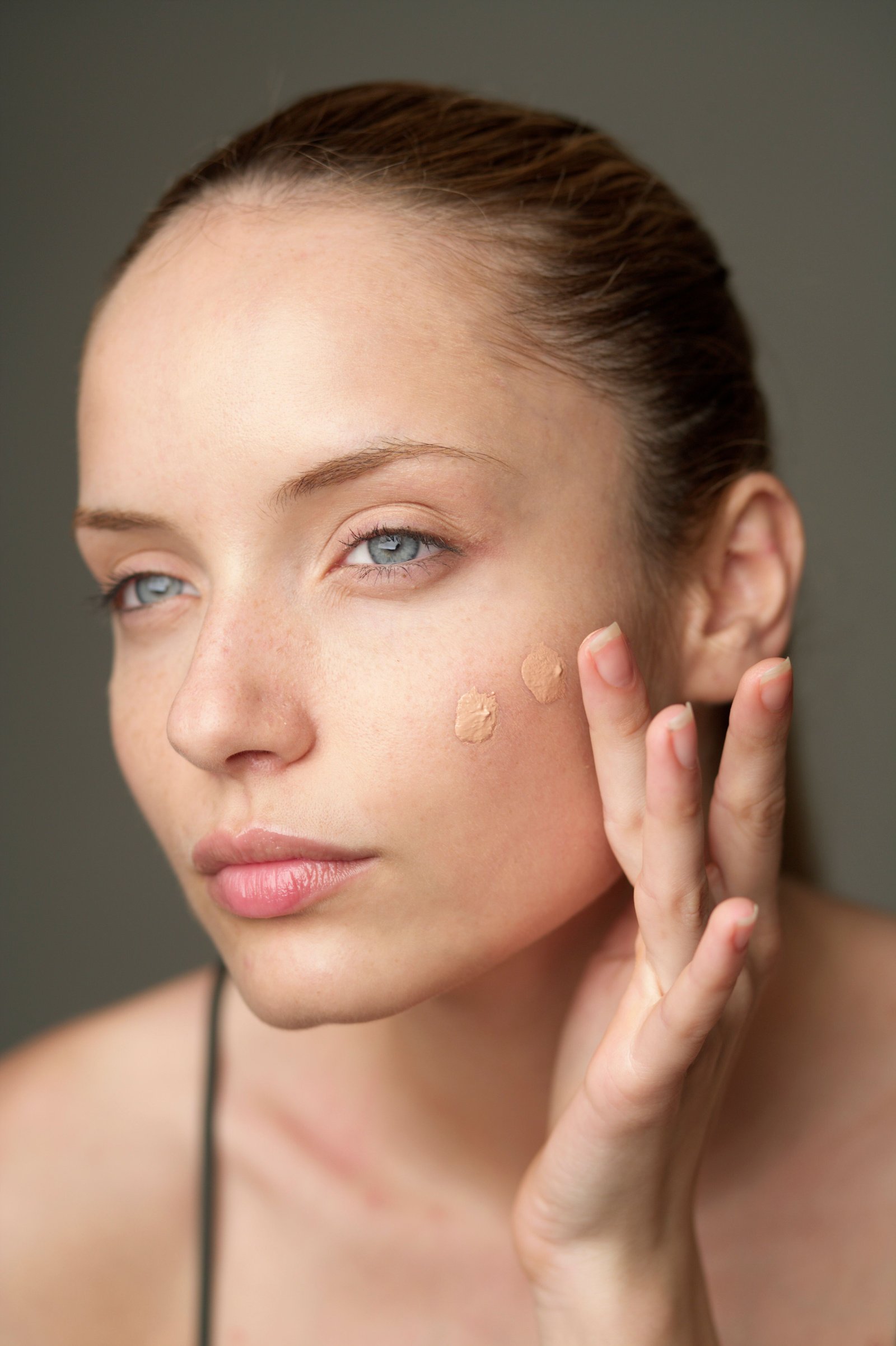
Pancake makeup today is largely a creative and editorial tool rather than a mainstream film or television product, since modern camera technology no longer needs the specific correction pancake was originally built for. In editorial and artistic photoshoot contexts, though, it still earns its place whenever a concept genuinely calls for flawless, uniform, high-opacity coverage rather than a natural skin-like finish.
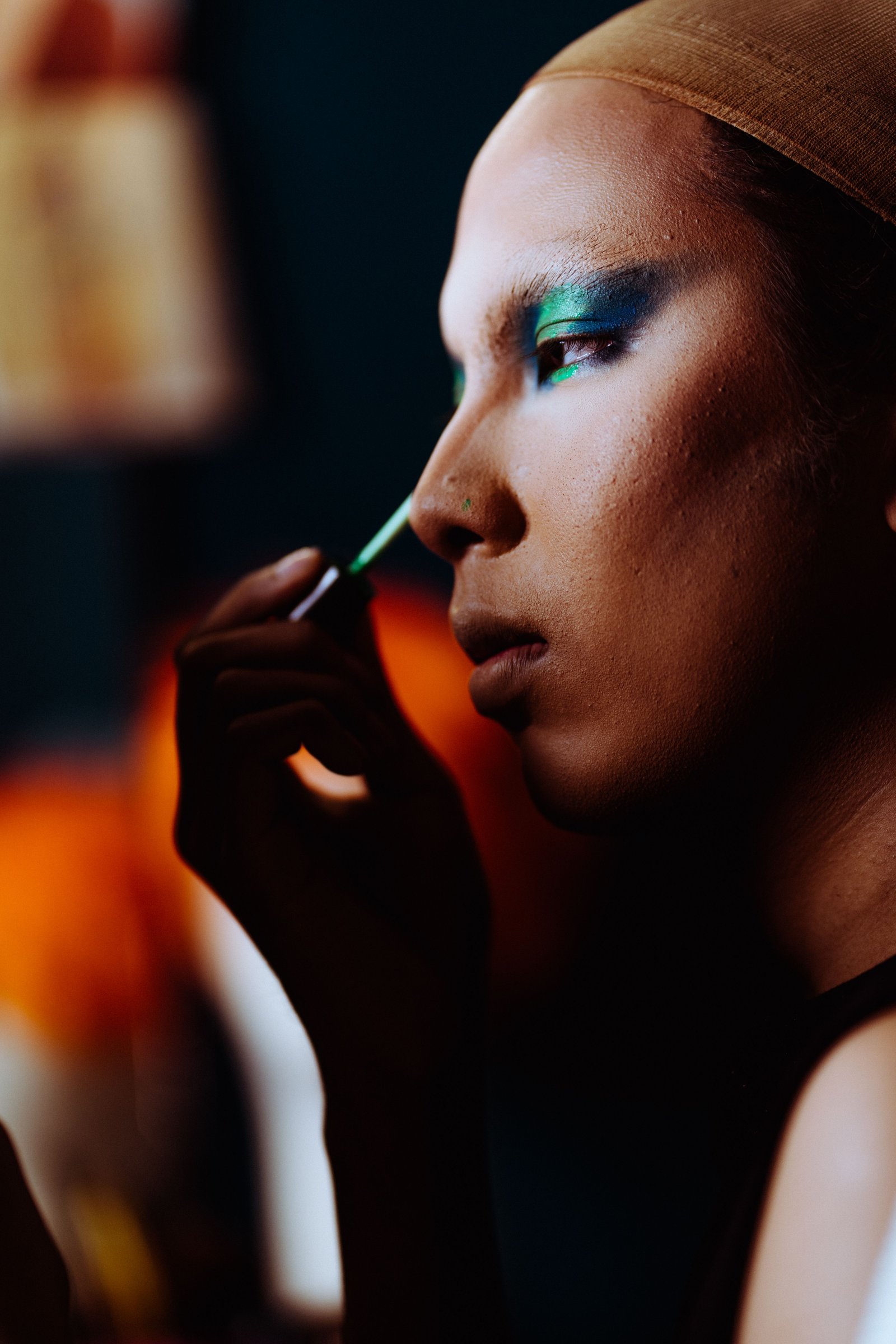
Many artists reach for it specifically when a creative concept involves layering additional color work on top, since an opaque, uniform base gives more predictable, vivid results for bold artistic looks than a sheerer modern foundation would.
High-fashion editorial spreads, avant-garde beauty campaigns, and certain theatrical or performance contexts remain the most common places this specific technique still shows up today, always as a deliberate artistic choice rather than a default everyday product.
Why It’s Different From A Full-Coverage Liquid Foundation
It’s a common assumption that pancake makeup is basically just an older word for full-coverage liquid foundation, but the two behave quite differently on skin. A full-coverage liquid still has some flexibility and sheerness built in even at its heaviest setting, since it’s formulated to sit on skin the way modern products generally do. Pancake makeup, activated with water rather than worn as-is, builds a genuinely flat, opaque layer that reads as a uniform surface rather than skin with product on it.
That distinction matters for anyone deciding between the two for a creative concept. A full-coverage liquid foundation is the right call when the goal is still recognizably skin, just evened out, while pancake makeup is the right call when the concept specifically wants that flat, painted, uniform surface as part of the artistic effect.
Application Technique, Since It Differs From Liquid Foundation
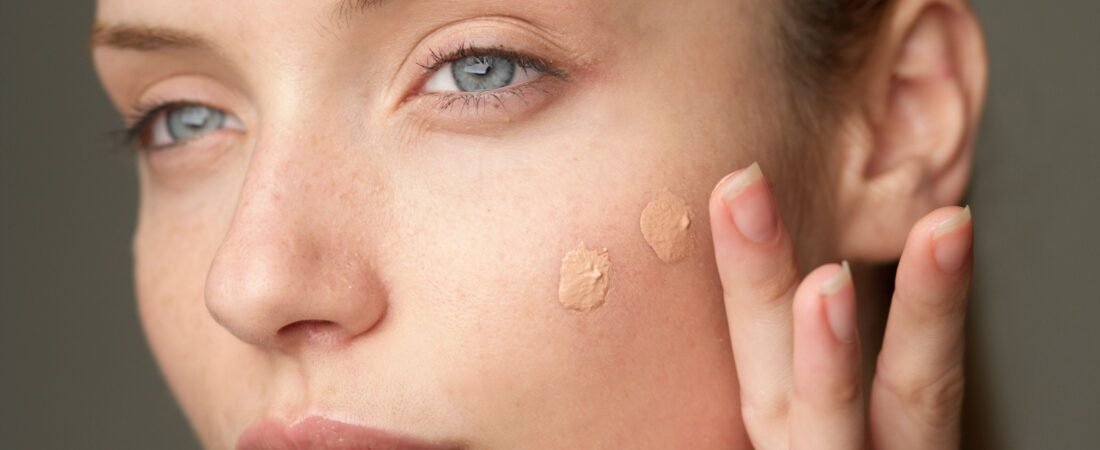
A genuinely damp, not soaking wet, sponge is essential, since too much water thins the pigment too far and too little leaves it patchy and hard to blend. Working in small sections and pressing rather than dragging the sponge across skin gives the most even result.
Setting the finished application with a light dusting of translucent powder helps lock the heavier coverage in place, especially under the continuous, warm lighting a photoshoot session often involves for an extended period.
Removal After A Full Shoot Day
Because pancake makeup builds such an opaque layer, removal deserves a bit more attention than a quick face wash. An oil-based cleanser or micellar water, worked in gently before any water-based cleanser, tends to break down the heavier pigment load more completely than soap and water alone, which can otherwise leave a faint residue behind on brows, lash lines, and other detail areas.
Skin that’s worn a heavier, longer-wear base for a full shoot day also benefits from a proper moisturizing step afterward, since a long day under warm studio lighting with a dense product layer can leave skin feeling a little more dehydrated than usual by the end.
Common Misconceptions About Pancake Makeup
The biggest misconception is that pancake makeup automatically looks dated or heavy in modern photos. Applied with the right technique for the right creative concept, it reads as intentionally polished and vivid rather than old-fashioned. A second misconception is that it’s uncomfortable to wear, when in fact many people find a well-applied pancake base feels lighter than expected once it’s set.
A third misconception is that any heavy cream or powder foundation counts as pancake makeup simply because it offers full coverage. The defining feature is genuinely the water-activated cake format itself, not just a high coverage level, and a modern full-coverage cream foundation still behaves quite differently on skin than a true pancake formula does.
Planning A Shoot Around A Pancake Makeup Base
Because application and removal both take genuinely more time than a standard foundation routine, building that extra time into the shoot schedule from the start, rather than treating it as an afterthought, keeps the whole day running smoothly. A rushed application under time pressure is one of the more common reasons a pancake base ends up looking patchy rather than the flawless, uniform surface it’s meant to achieve.
It’s also worth discussing the full concept with your artist well before shoot day, since a heavier base like this often pairs with specific color work, styling, or lighting choices that benefit from being planned together rather than decided last minute on set.
How Reign Beauty Collective Chooses Coverage Levels For Different Shoots
We match coverage level and finish to each specific creative concept, reaching for a heavier, pancake-style base only when a shoot genuinely calls for that flawless, uniform look. For a full sealing step after heavier coverage like this, our companion review, Kryolan Fixing Spray: Everything A Bride Should Know, is worth reading too.
Ready To Book?
Planning a creative or editorial photoshoot that needs a specific coverage level? Reign Beauty Collective builds the right base for your concept in Tampa, FL. Take a look at our Price List, then Book Online to check availability.
Frequently Asked Questions
Will pancake makeup look too heavy or dated in modern photos?
Applied with the right technique for a concept that genuinely calls for flawless, uniform coverage, it reads as intentional and polished rather than dated. It’s a creative choice suited to specific looks, not an everyday foundation.
Is it comfortable to wear for a full photoshoot session?
Many people find a well-applied pancake base feels lighter than expected once set with powder. Comfort still depends on proper application and not overloading product.
How does it differ from regular full coverage foundation?
Pancake makeup uses a water-activated cake format that builds far more opacity than a standard liquid or cream foundation in one application, making it suited to concepts needing completely uniform, flawless coverage.
Is pancake makeup still used in film or TV today?
Rarely for mainstream film or television, since modern cameras no longer require the correction it was originally built for. It remains a real tool for stage work and creative editorial photography.
Can Reign Beauty Collective use this for my photoshoot?
Yes, we choose coverage level based on your specific creative concept, and can discuss whether a heavier base like this suits your shoot during planning.