Quick Answer
Choosing between natural vs dramatic lashes comes down to balancing your eye shape, the occasion, and how the volume will actually photograph, rather than picking a level in isolation. Natural volume works well for daytime events and anyone who wants their eyes to look like a slightly enhanced version of themselves, while dramatic volume suits evening events and photography-heavy occasions where more definition reads better at a distance and in flash photography. Many people find the safest approach is testing a couple of volume levels during a trial rather than guessing from photos alone.
Lash terminology has exploded over the last few years, and it’s easy to feel overwhelmed trying to decide where you fall on the spectrum between natural vs dramatic lashes. As a Tampa-based bridal hair and makeup team, we walk clients through this exact decision at nearly every trial, so here’s a clear, organized way to think through it for yourself.
The Spectrum From Natural To Dramatic Across Lash Methods
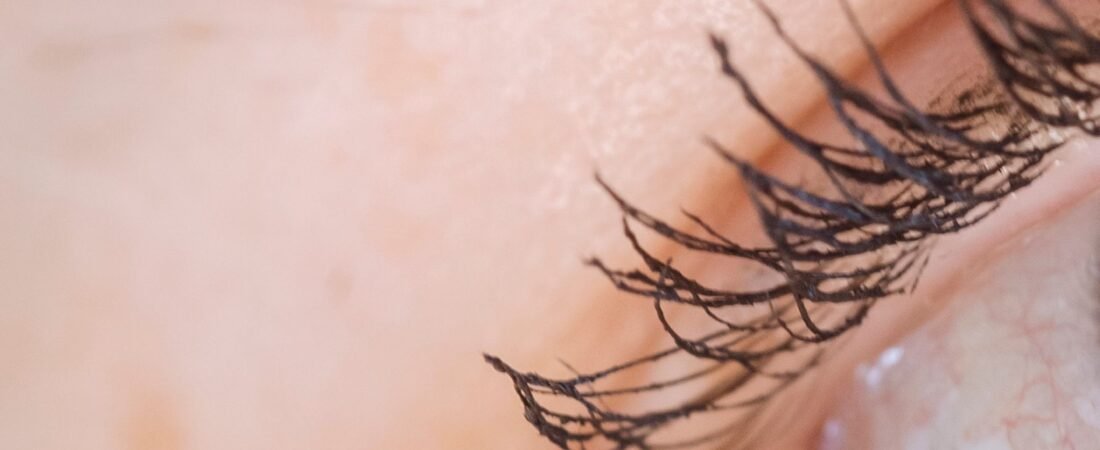
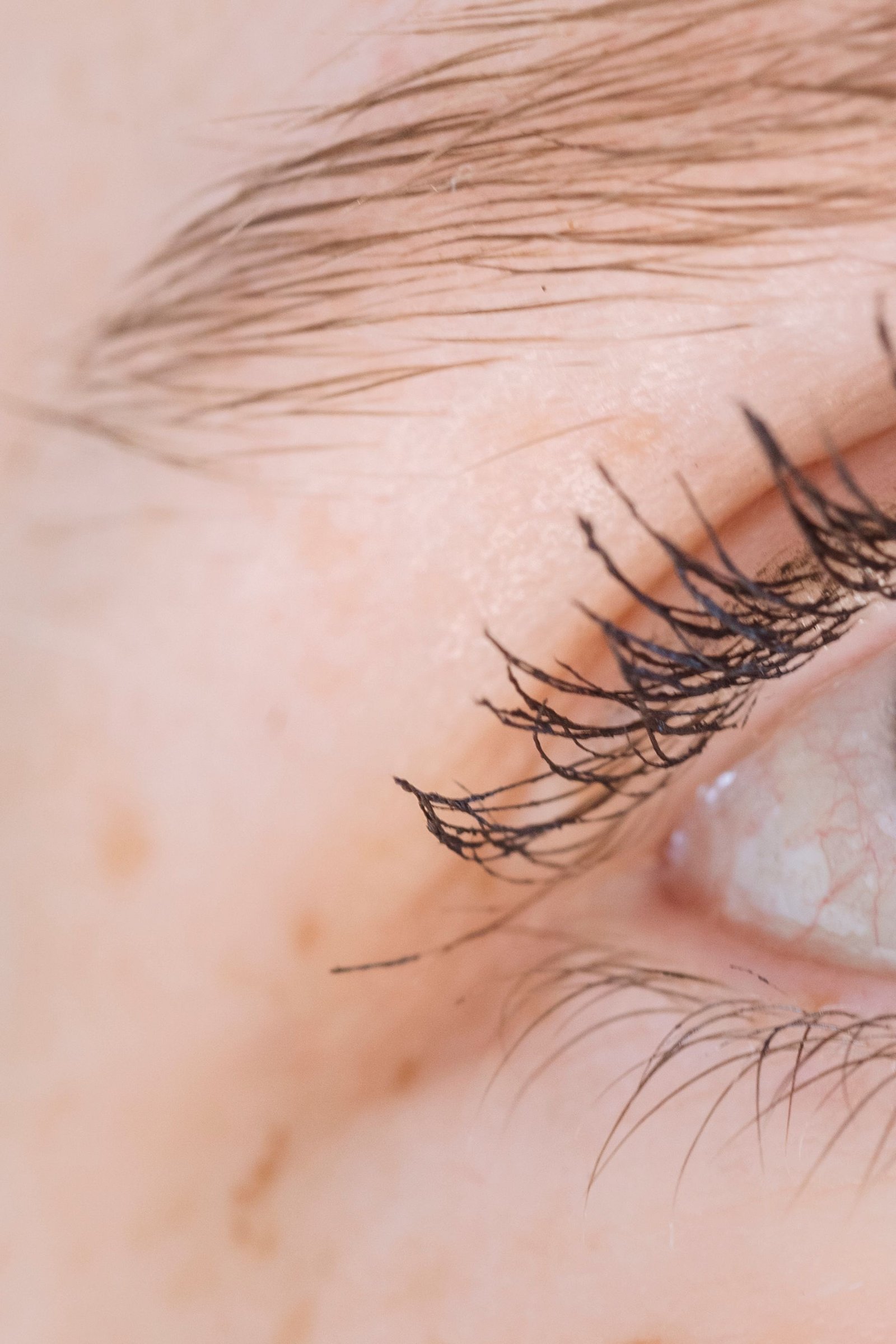
Volume isn’t just about how long a lash is, it’s a combination of length, density, and curl that applies across strip lashes, cluster lashes, and salon extensions alike. A natural-volume look typically uses shorter, more sparsely placed lashes that blend into your own lash line, while a dramatic-volume look layers longer, denser lashes, sometimes with multiple extensions fanned onto a single natural lash, for a bolder, more visible result.
Hybrid approaches exist too, mixing natural and dramatic elements, such as keeping the inner corner subtle while building more volume toward the outer corner for a lifted effect without full drama across the whole eye. Many people find this hybrid approach is actually the most commonly requested option once they see it demonstrated, since it offers definition without feeling like a complete departure from their everyday look.
It also helps to think of the spectrum less as two fixed endpoints and more as a dial with several stops along the way. A light-natural setting might use nothing more than a curled natural lash and a coat of mascara, a mid-natural setting might add a few individual clusters at the outer corner only, a hybrid setting blends noticeable but soft volume across the whole eye, and a full-dramatic setting builds maximum density and length from corner to corner. Naming the setting you’re picturing, rather than just the two extremes, makes it much easier to communicate with an artist later.
Factors That Should Influence Your Choice
Eye shape matters more than most people expect. Hooded eyes often benefit from length concentrated toward the center and outer corner, since heavy volume at the inner corner can visually close the eye down further. Smaller or deep-set eyes can often handle more dramatic volume without looking overdone, since there’s more natural shadow to balance against, while very close-set eyes typically read better with volume concentrated outward to create the illusion of more space between the eyes.
The occasion itself matters just as much as eye shape. A daytime engagement shoot or a casual bridal shower calls for a different volume level than an evening reception under string lights, simply because natural daylight and bright indoor lighting both tend to wash out subtle definition, while evening lighting makes dramatic lashes read as more balanced rather than overdone.
Personal comfort is the third piece, and it’s easy to underweight. Some people simply feel more like themselves with minimal lash enhancement, regardless of what an occasion or a trend might suggest, and forcing a dramatic look onto someone who feels self-conscious in it tends to show in their expression and body language throughout the day, which can affect photos more than the lashes themselves ever would. A volume level you feel genuinely comfortable and confident wearing will almost always photograph better than one that’s technically “correct” for the occasion but leaves you second-guessing it.
How Photography And Lighting Affect Which Volume Reads Well
This is a piece most volume guides skip entirely, and it’s genuinely one of the most useful things to understand before committing to a look for a photographed event like a wedding. Camera flash and professional photography lighting tend to flatten fine detail across the whole face, which means a subtle, natural lash volume that looks perfectly visible in person can practically disappear in photos, especially from a normal conversational distance rather than a close-up.
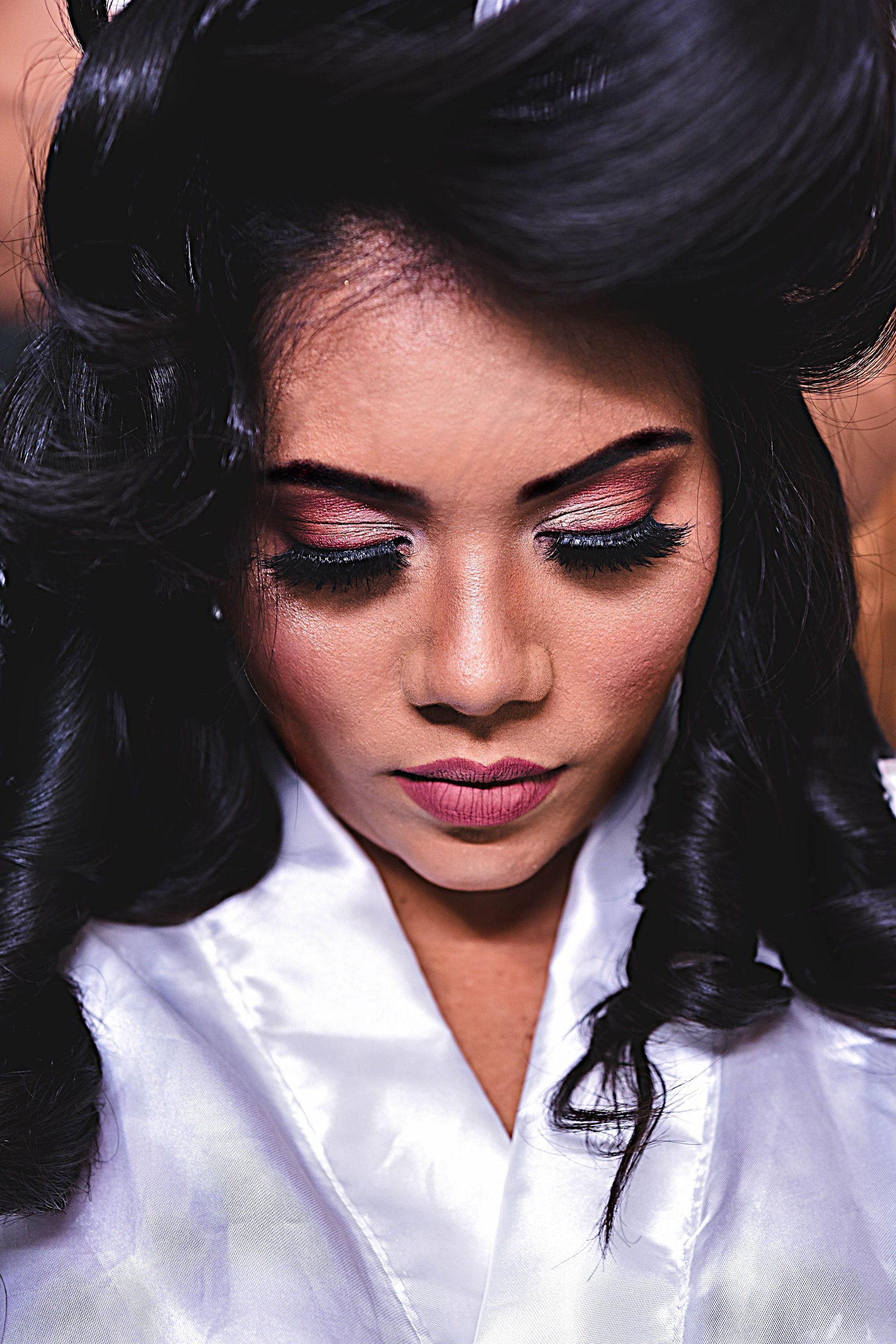
Dramatic volume, by contrast, tends to hold its definition much better across a range of photo distances, which is part of why so many bridal looks lean fuller than what a bride might choose for an everyday natural look. If you love a natural look but are worried about photos washing it out, many artists find a good middle ground is going slightly fuller than what feels natural in the mirror, since a look that reads as “just right” in person often reads as slightly under-done once it’s translated into a photograph.
How To Describe Your Desired Volume Level Clearly To An Artist
Vague phrases like “not too much” or “natural but pretty” are genuinely hard for any artist to translate into an exact look, since everyone’s baseline idea of natural differs. Instead, bringing reference photos of lash looks you like, and just as importantly, photos of looks you don’t like, gives an artist something concrete to work from rather than guessing at your personal definition of subtle or dramatic.
It also helps to describe volume in terms of where you want more or less density, rather than a single overall word. Saying you want fuller volume at the outer corner but minimal volume at the inner corner is far more actionable for an artist than saying you want something “in between,” and it’s exactly the kind of detail a trial appointment exists to nail down before the actual event day.
Bringing a photo of your actual outfit or wedding color palette alongside your lash reference photos can help too, since an artist thinking about the whole finished look, not just the eyes in isolation, can flag if a chosen volume level might compete with a dramatic gown neckline or feel underwhelming against a very simple, minimal dress. This kind of full-picture conversation is easy to have at a trial and much harder to have for the first time on the morning of the event itself.
Common Mistakes People Make Choosing A Lash Volume Level
The most common mistake is choosing a volume level based purely on a photo of someone else’s face rather than considering your own eye shape, since the exact same lash style can read completely differently depending on eye spacing and lid shape. A second common mistake is deciding on volume too close to the event itself, without a trial, which leaves no room to adjust if the chosen level doesn’t photograph the way it was expected to.
A third mistake is testing a volume level only in a still mirror, without moving or blinking, since lashes that look balanced while perfectly still can look different once you’re laughing, talking, or turning your head throughout a real event. Testing a chosen volume level while going through some of the actual motions of your day, greeting people, hugging, tilting your head for photos, gives a far more realistic sense of how it will hold up and read in motion, not just in a single static glance.
How Reign Beauty Collective Helps Brides Choose The Right Lash Look
During your trial, we test a couple of volume levels together and take real photos under a few different lighting setups, so you can see exactly how each option translates before your actual wedding day rather than guessing from a single mirror check. If you’re also still deciding between lash application methods themselves, our companion guide, The Difference Between Strip Lashes, Cluster Lashes, And Falscara, is worth reading alongside this one, and our guide to volume lashes goes deeper on salon-style extension volume specifically.
Ready To Book?
Not sure whether you’re a natural or dramatic lash bride yet? Reign Beauty Collective tests real volume options with you during a trial in Tampa, FL, so you can see it in photos before deciding. Take a look at our Price List, then Book Online to check availability.
Frequently Asked Questions
What if I choose a lash volume that feels like too much once I see it?
This is exactly why a trial matters. If a volume level feels like too much in person, we can adjust it down before the actual event, rather than discovering that reaction for the first time on the wedding morning itself.
Do photos really need more lash volume than what looks good in real life?
Often, yes. Camera flash and photography lighting tend to flatten subtle definition, so many people find a slightly fuller volume than what feels natural in the mirror actually reads as balanced once it’s captured in photos.
How do I explain what volume level I want to my makeup artist?
Bringing reference photos of looks you like and dislike helps far more than a single descriptive word like “natural” or “dramatic,” since those terms mean different things to different people. Describing where you want more or less density, rather than one overall level, also helps an artist plan the exact placement.
Does my eye shape actually change which volume level suits me?
Yes, eye shape genuinely affects how a given volume level reads. Hooded eyes often do better with length concentrated toward the outer corner, while smaller or deep-set eyes can often carry more dramatic volume without looking overdone.
Is it better to go natural or dramatic for a daytime wedding versus an evening one?
Natural volume tends to suit bright daytime lighting well, since strong daylight can make dramatic volume look heavier than intended. Evening events under warmer, dimmer lighting typically balance dramatic volume more flatteringly, which is worth factoring in alongside your personal style preference.