Quick Answer
A cream makeup palette combines blush, contour, and highlight, or similar coordinated shades, in a cream formula designed to melt into skin for a soft, seamless, skin-like finish rather than the more visibly layered look powder can create. Many artists find cream formulas easier to build gradually and blend on top of a fresh base, though they do require a slightly different technique than powder to avoid a heavier or greasier appearance. In our experience, they work beautifully for a natural, dewy bridal glow when applied in thin layers.
If you’ve noticed professional makeup artists reaching for a compact of cream shades instead of a powder palette, there’s a real reason behind it. Cream formulas have become a favorite for that soft, “your skin but better” finish that photographs beautifully. As a Tampa-based bridal makeup team, here’s an honest breakdown of what a cream palette actually offers and how to use one well, whatever your skin type.
How Cream Formulas Differ From Powder In Finish And Application
Cream products are formulated to physically blend into the surface of your skin rather than sit on top of it the way powder pigment does, which is why they tend to create a more seamless, “your skin but better” look. They’re best applied over a fresh, still slightly dewy base, since cream blends most smoothly into skin that isn’t already set with powder, and they typically catch and reflect light more softly, closer to how real skin naturally does.
Powder, by contrast, sits on the surface and tends to read as a bit more matte and structured, which is part of why it can look slightly more obvious close up, even when well blended. Neither finish is objectively better, but cream genuinely does read as softer and more natural in most lighting, which is a big part of why it’s become a bridal-makeup favorite for photos.
Cream formulas also tend to photograph differently under flash than powder does. Powder pigment can occasionally catch flash photography in a way that looks slightly chalky or flat, especially on certain skin tones, while cream’s more skin-melded finish tends to reflect light more the way real skin does, avoiding that flatter, more obviously “made up” look in photos. For a wedding day with a professional photographer and flash-heavy reception shots, this is a genuinely practical reason cream has become the default choice for many bridal artists, not just an aesthetic preference.
What A Versatile Cream Palette Typically Includes
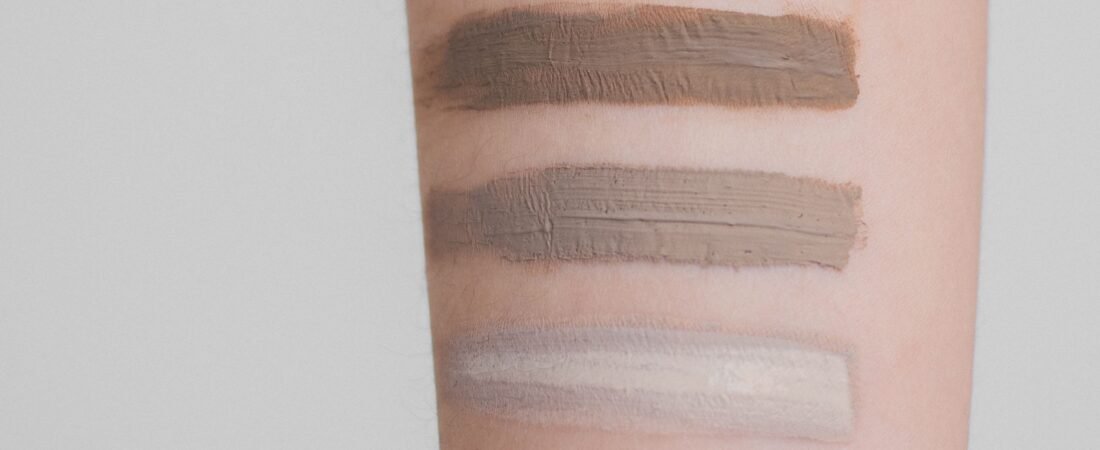
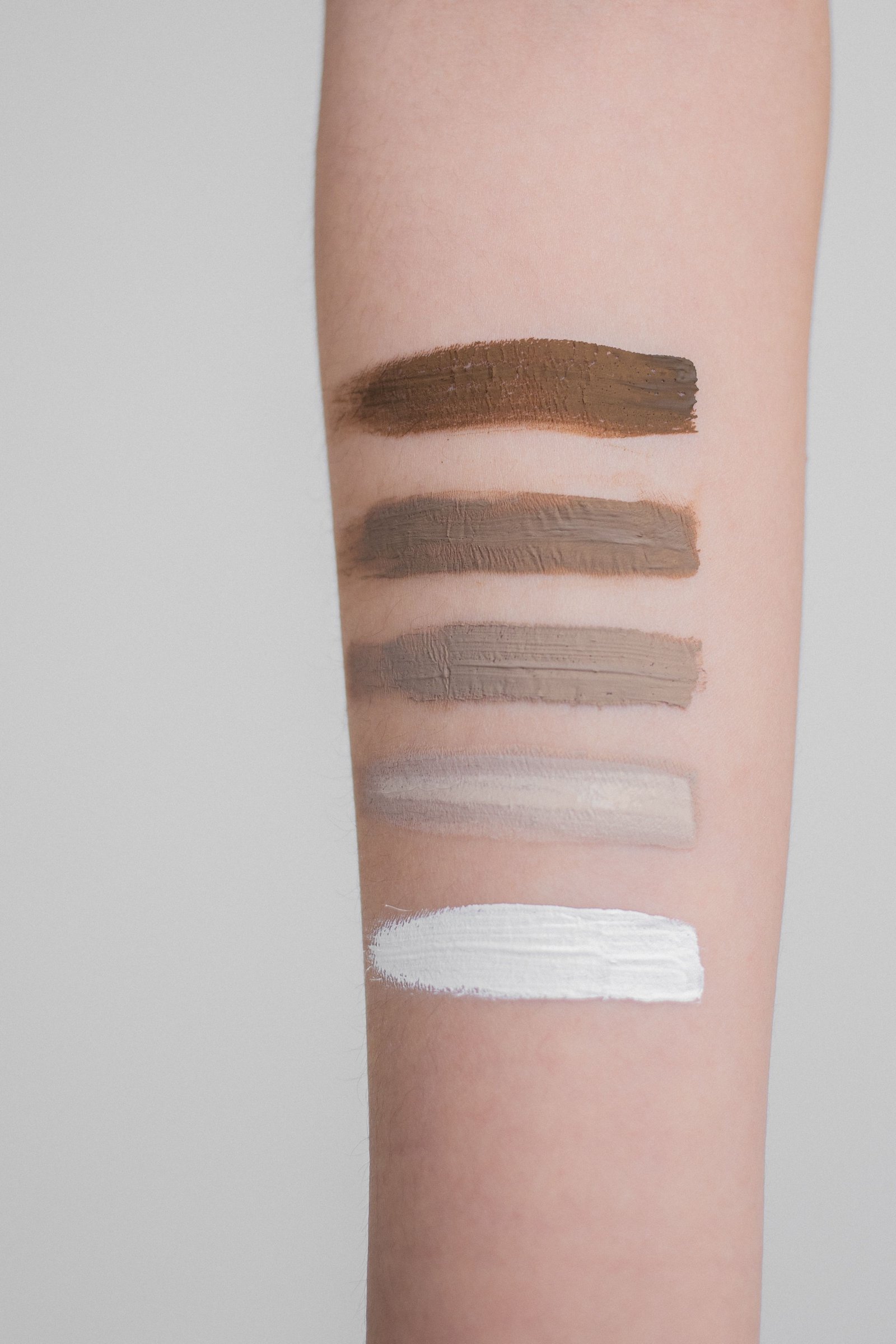
A well-rounded cream palette usually pairs one or two blush shades with a contour shade a couple tones deeper than your natural skin tone, plus a highlight shade with subtle sheen for the high points of the face. Some palettes also include a soft bronzer shade meant to be swept anywhere the sun would naturally hit the face, working alongside contour rather than replacing it.
Having all three in one compact makes it genuinely easy to build a cohesive, coordinated look quickly, since the shades are typically formulated to work together tonally rather than needing to be color-matched from separate products. This is part of why cream palettes have become such a popular travel and touch-up option for artists working on location.
Texture also varies meaningfully between palettes, and it’s worth knowing the difference before buying one. Some formulas lean more balm-like, softer and easier to blend but requiring a slightly lighter hand to avoid over-application, while others are firmer and more pigmented, needing a bit more warmth from your fingertip or a damp sponge to soften before blending smoothly. Testing a palette’s texture on the back of your hand before your first full-face application gives you a quick sense of how much product a single tap actually delivers.
Blending Technique For A Seamless, Skin-Like Finish
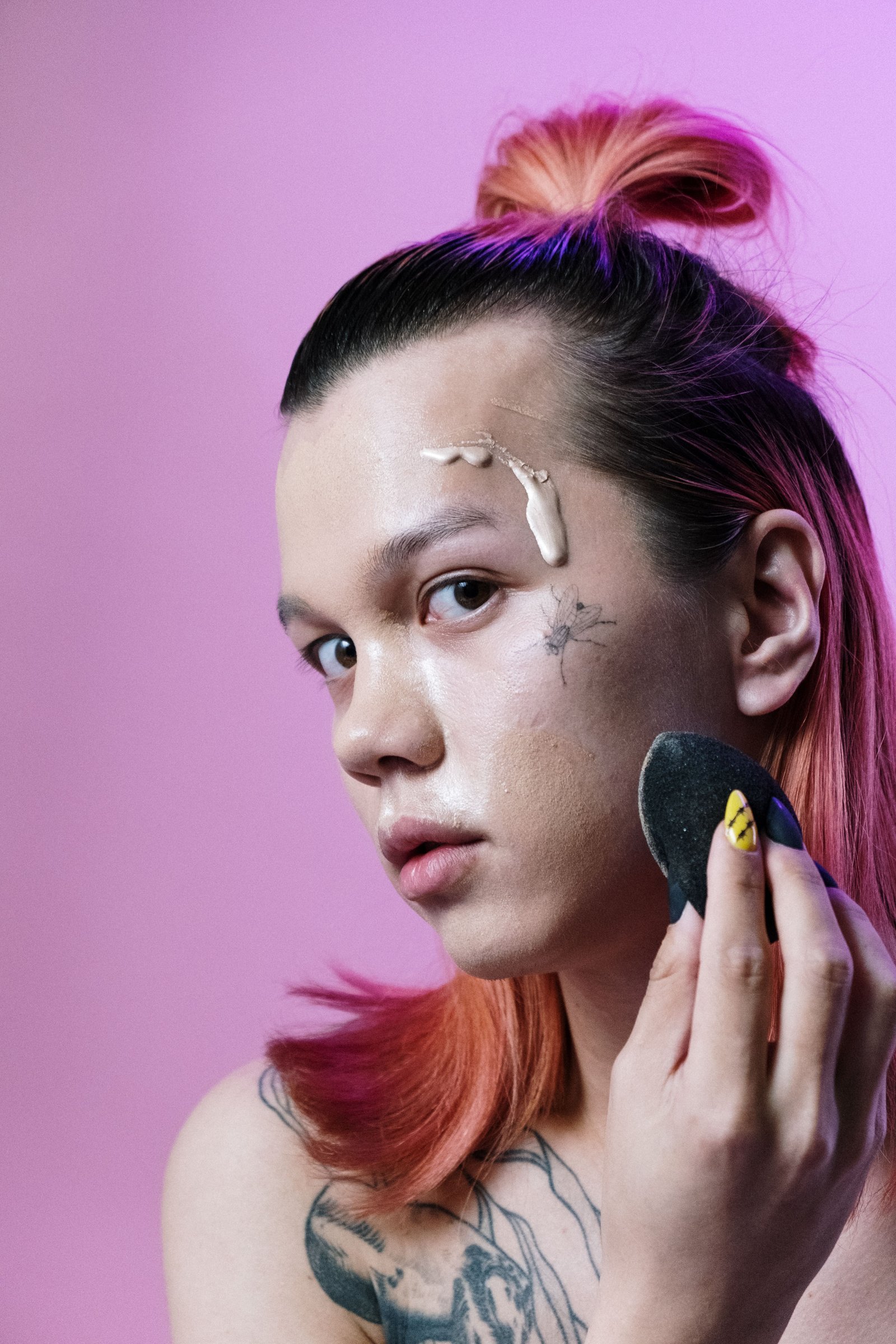
Tap a small amount of product onto the back of your hand first, rather than applying straight from the palette to your face, which turns your hand into a mixing surface and helps you control exactly how much product goes on at once. Apply in soft, stamping motions rather than dragging strokes, building color gradually in thin layers rather than trying to achieve full intensity in one pass.
A damp makeup sponge or a soft, dense brush both work well for blending cream products, with a sponge tending to give the most seamless, airbrushed-looking finish. Blend the edges outward until you can’t find where the product starts and stops, which is the real test of a well-blended cream application, whatever tool you use to get there.
Layering order matters as much as blending technique. Placing cream bronzer or contour first, then cream blush on top, keeps the warmth of the bronzer as a soft base with the blush adding a fresher pop of color over it, rather than the two colors muddying together. If you’re also using a cream highlight, applying it last, after both contour and blush are fully blended, keeps it looking crisp and luminous rather than getting dulled by blending it in too early.
Which Skin Types Tend To Benefit Most
Dry and normal skin types tend to see the most obvious benefit from cream formulas, since the added moisture in the formula helps avoid the flaky, dull look powder can sometimes create on drier skin. That said, oily and combination skin can absolutely wear cream products successfully too, it just typically calls for a light dusting of translucent powder over top to lock the cream in place and control shine through the day, rather than leaving it completely unset.
In Florida’s heat and humidity specifically, we find setting cream products with a light powder makes a genuine difference in longevity for any skin type, not just oily skin, since even normal skin tends to produce more oil through a long outdoor event. Skipping the setting step entirely is really the only scenario where cream products tend to underperform.
Mature skin also tends to respond well to cream formulas, since the softer, more luminous finish sits into fine lines and texture less noticeably than powder can. Many artists find cream’s forgiving, blendable nature particularly flattering on mature skin, where a heavier powder application can sometimes settle into creases and draw more attention to texture than intended.
Combination skin, oily in the T-zone but normal or dry along the cheeks, can genuinely benefit from a mixed approach rather than treating the whole face the same way. Using cream products on the drier cheek areas while keeping a lighter, more powder-forward routine through the T-zone lets each zone get the finish that actually suits it, rather than forcing one product type to perform evenly across genuinely different skin behavior on the same face.
Temperature also affects how cream products behave, which is worth knowing for anyone applying makeup in Florida’s warmth specifically. Cream formulas soften slightly as they warm against skin, which actually makes blending easier in a warm room, but it also means the product can feel a touch looser to work with on a hot day than it would in a cooler, air-conditioned space. Warming the product briefly on the back of your hand before application, even in a cool room, helps replicate that same easy-blending consistency consistently.
Common Mistakes People Make With Cream Makeup Palettes
The most common mistake is applying cream products over powder that’s already been set, which prevents the cream from blending smoothly and can leave it looking patchy or streaky instead of melted-in. Cream generally wants to go on before powder, not after, for the seamless finish it’s known for. A second common mistake is using too much product at once, since cream builds intensity quickly and it’s much easier to add more than to remove excess without disturbing the base underneath.
A third mistake, especially relevant for anyone with oilier skin, is skipping the setting powder step entirely out of fear it will look cakey. A very light dusting, applied with a fluffy brush rather than a dense one, sets the cream without erasing its soft finish, and skipping it is more likely to cause the color to shift or slide as the day goes on than a light powder setting would.
How Reign Beauty Collective Uses Cream Products For A Natural Bridal Glow
Cream products are a genuine staple of our on-location bridal makeup kit, since they photograph so beautifully and hold up well through a long event day when set correctly. We tailor how much cream product we use and how we set it based on your specific skin type, whether that’s a lighter hand for oilier skin or an extra layer of glow for drier skin. For more on building out your full bridal base, our companion guides, The Secret To Flawless Contouring and Everything To Know About Concealer Palette, are worth reading too.
Ready To Book?
If you love the soft, dewy look cream products create and want that finish for your wedding day, Reign Beauty Collective would love to help. Based in Tampa, FL, our artists tailor every product choice to your skin type for a look that lasts. Take a look at our Price List, then Book Online to check availability.
Frequently Asked Questions
Will a cream makeup palette look greasy on oily skin?
Not if it’s set with a light dusting of translucent powder afterward. Cream products can absolutely work on oily skin, it just typically needs that extra setting step to control shine through the day, rather than being left completely unset.
How do I blend cream products without streaking?
Apply in thin layers using soft, stamping motions rather than dragging strokes, and blend the edges outward with a damp sponge or dense brush until you can’t tell where the product starts and stops. Building color gradually avoids the streaking that comes from applying too much at once.
Do cream makeup palettes set on their own, or do I need powder?
Most cream products benefit from a light powder set for longevity, especially in humid conditions, though a very light touch is key so it doesn’t erase the soft finish that makes cream appealing in the first place.
Can I apply cream products over my regular foundation?
Yes, cream blush, contour, and highlight are designed to layer over a fresh foundation base. Applying before any powder step, rather than after, gives the smoothest, most seamless result.
What’s the best tool for applying cream products?
A damp makeup sponge tends to give the most seamless, airbrushed finish, while a soft, dense brush also works well for more controlled placement. Many artists find a combination of both, sponge for blending and brush for precise placement, gives the best result.
Does Reign Beauty Collective use cream products for bridal makeup?
Yes, cream products are a regular part of our on-location bridal kit, and we tailor how much we use and how we set it based on your specific skin type for a natural glow that lasts through your event.