Quick Answer
A DIY lash extension kit typically includes individual lash clusters or single lashes, adhesive, and small application tools, letting you attempt an at-home version of professional lash extensions. Many people find a DIY kit can produce a reasonable temporary result, but it does not replicate the eye-area safety training, product selection, and technique a licensed lash technician brings to real extensions. Before trying one, it’s worth understanding exactly where the real risk lies, not just how to apply the lashes.
Professional lash extensions are expensive and require regular fill appointments, so it’s completely understandable to wonder whether a DIY kit can get you most of the way there for a fraction of the cost. As a Tampa-based team that offers professional lash services as part of our bridal and event beauty work, we want to give you an honest, safety-first answer rather than either selling you on the kit or dismissing it outright.
What A Typical DIY Lash Extension Kit Includes
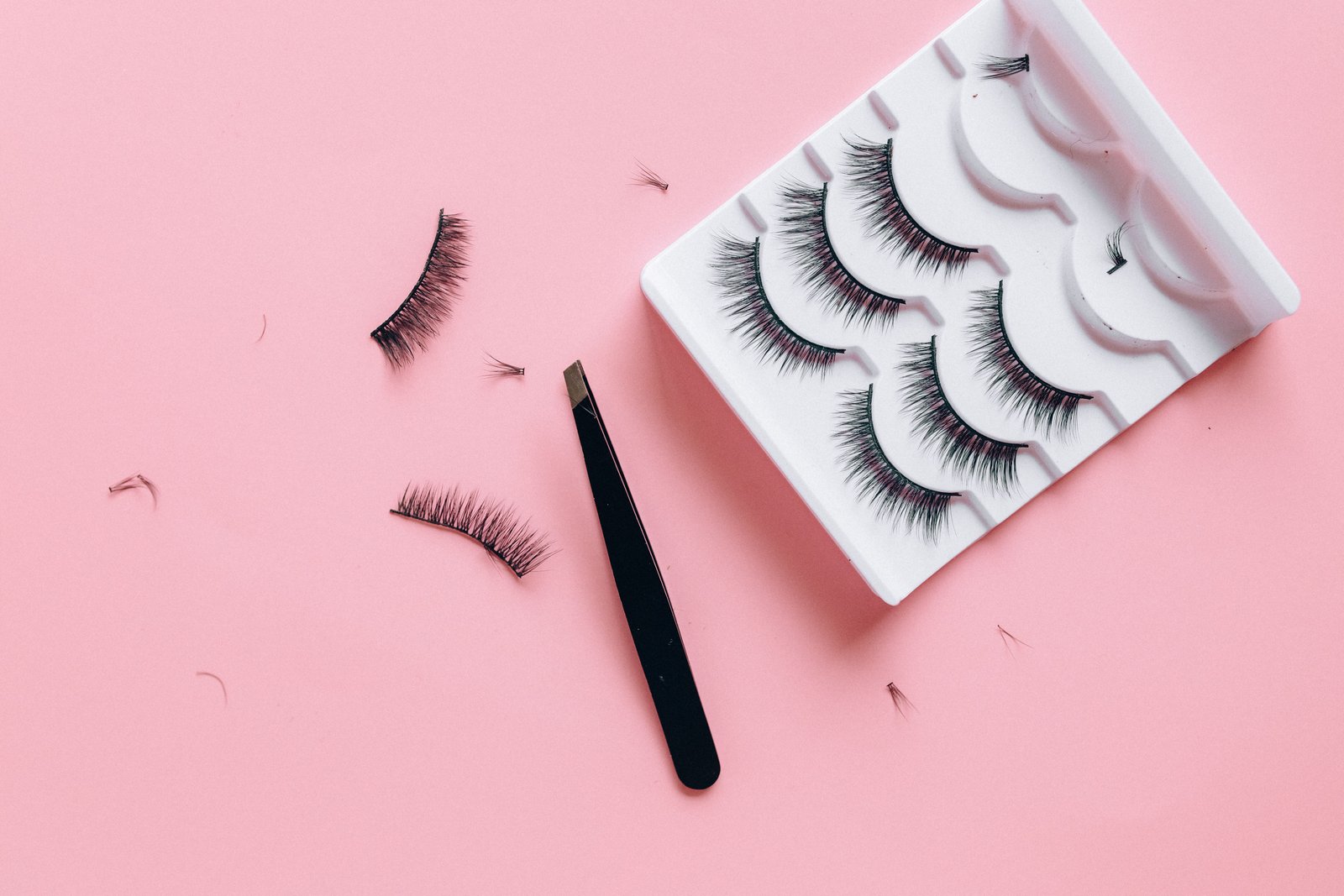
Most DIY kits include a set of individual lash clusters, sometimes called lash segments, in varying lengths, along with a small tube of lash adhesive and basic tools like tweezers or a lash press for placement. Some kits also include a small mirror and instructions walking through cluster placement one segment at a time along your natural lash line, rather than one continuous strip.
These clusters are meant to be glued directly to a small group of your own natural lashes, which is what gives DIY kits their extension-like appearance compared to a standard strip lash. It’s also exactly what introduces the safety considerations covered below, since gluing directly onto natural lashes carries different risks than gluing a band to your eyelid skin.
Kits vary quite a bit in how many clusters they include and how pre-shaped those clusters already are. Some are marketed as beginner-friendly with wider, pre-fanned clusters meant to cover more of the lash line per application, reducing the total number of individual placements needed. Others come as narrower, more natural-looking segments that require more precise, repeated placement to build a full look, generally demanding more hand control and patience than the wider cluster style.
Honestly Comparing DIY Risk And Results To Professional Application
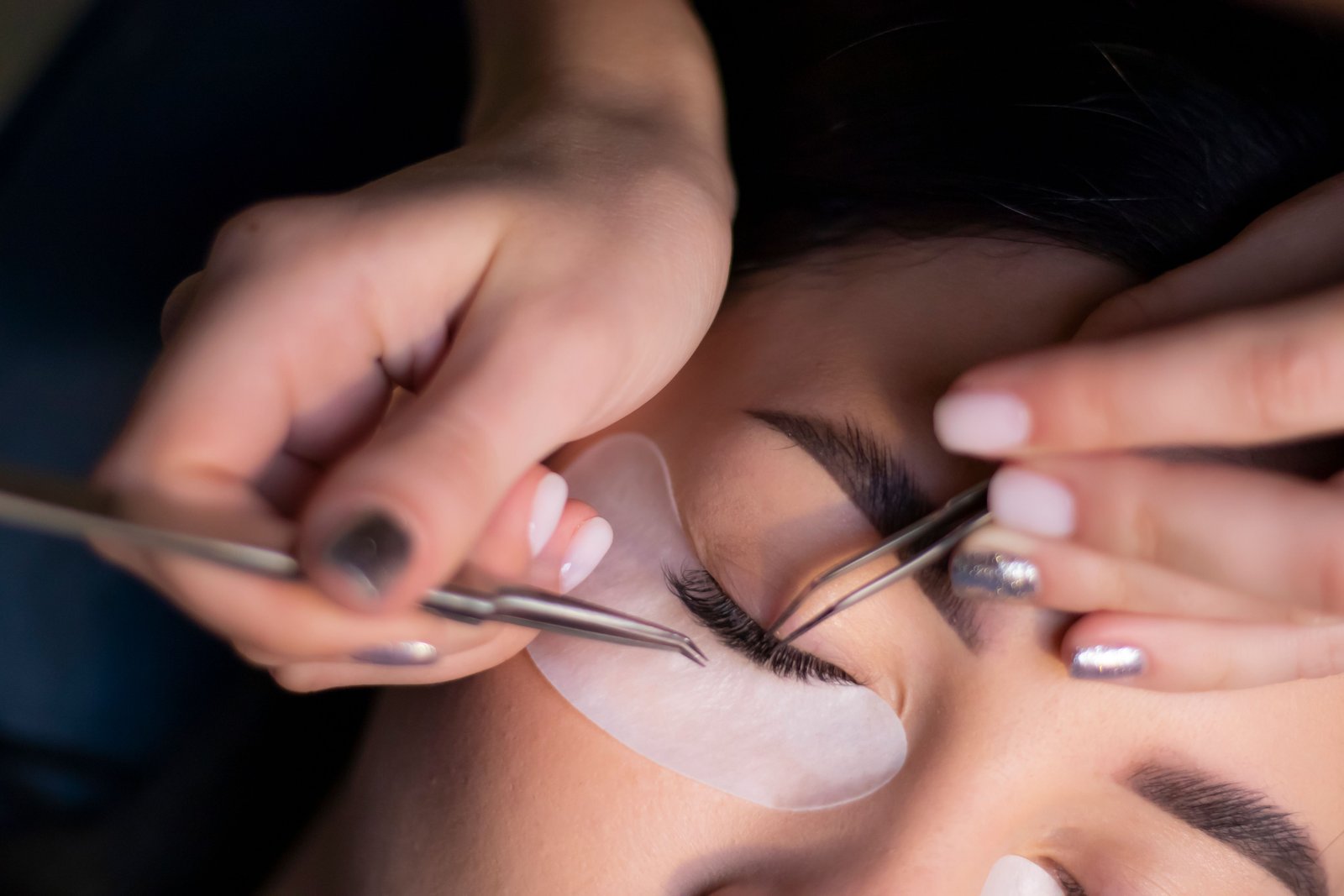
A licensed lash technician trains specifically in eye-area safety, isolating individual natural lashes so a cluster or single extension is never accidentally glued to more than one lash at once, which is what prevents premature breakage and lash loss. They also work with professional-grade adhesive formulated and tested specifically for extended eye-area contact, applied in controlled amounts with precise placement relative to the lash line, never the skin itself.
A DIY kit does not replicate any of that training or product-grade assurance. Clusters are harder to isolate onto a single natural lash without professional tools and experience, which genuinely does increase the risk of gluing multiple natural lashes together, and adhesive quality and safety testing in consumer kits varies far more than in professional-grade products. This isn’t a reason to panic about trying one, but it is the honest, real difference between the two, not just a marketing talking point.
Fill maintenance is another real gap between the two approaches. A professional lash technician tracks the natural growth cycle of your lashes and removes extensions that have grown out or become loose during a proper fill appointment, preventing tangling or uneven weight distribution over time. A DIY approach has no equivalent maintenance step, which means clusters that shed unevenly or grow out awkwardly are generally left as-is until the whole set is removed, rather than being actively managed along the way.
Safety Precautions To Take If You Try One Anyway
If you do decide to try a DIY kit, a patch test with the adhesive on your forearm at least 24 hours beforehand is genuinely worth doing, since allergic reactions to lash adhesive are a real, if uncommon, risk. Work in a well-lit space, ideally with a magnifying mirror, and take your time isolating one natural lash per cluster rather than rushing through the full set in one sitting.
Keep the adhesive application as close to the base of the lash as possible without ever letting it touch your eyelid skin, since adhesive too close to the lash line is what risks irritation or, in rarer cases, more serious eye contact. Stop immediately and remove the lash if you feel any burning, stinging, or unusual discomfort during application, rather than pushing through and hoping it settles.
Application setting also matters more than people expect. Working in a room with good ventilation reduces the amount of adhesive fumes you’re breathing in during a session that can take twenty minutes or more for a full set, and taking short breaks between sections rather than working through the entire application in one uninterrupted stretch helps you stay precise rather than rushing toward the end out of fatigue, which is often when mistakes happen.
Realistic Expectations For How Long DIY Results Typically Last
DIY lash clusters generally hold for a few days to about a week before natural shedding and loosening adhesive make them look uneven, considerably shorter than the two to three week fill cycle professional extensions typically offer. This shorter lifespan is partly the adhesive itself and partly the placement precision, since even a slightly imperfect isolation of the natural lash tends to shed the cluster faster than a technically precise professional application would.
Many people find DIY kits work best as a short-term option for a single event rather than an ongoing maintenance routine, both because of the shorter wear time and because repeated at-home application without professional isolation technique can add up to more natural lash stress over time than periodic professional fills would.
Removal at the end of a DIY set’s wear also deserves the same careful attention as removing professional extensions. Gently soaking clusters loose with warm water and an oil-free remover, rather than pulling them off dry, reduces the odds of taking natural lashes along with them. Rushing removal the same way people sometimes rush application is a common way an otherwise reasonably safe DIY attempt ends up causing more natural lash damage than the wear itself did.
Budget is honestly a fair reason people consider DIY kits over professional extensions, and it’s worth acknowledging that directly rather than dismissing the appeal. A DIY kit costs a fraction of a professional appointment, which matters for a wedding budget spread across many line items. That said, for the specific stakes of a wedding day, many brides find the added peace of mind of a professional application is worth the extra cost for that one particular day, even if a DIY kit remains a reasonable choice for lower-stakes occasions.
When DIY Lash Application Is Not Worth The Risk
If you have naturally sensitive eyes, a history of allergic reactions to cosmetic adhesives, or wear contact lenses, the added risk of at-home eye-area adhesive genuinely isn’t worth it, and a professional application, where a trained technician can manage those specific factors safely, is the better call. The same goes for a major event like your own wedding day, where the stakes of an uneven or irritated result are simply higher than a casual weekend outing.
It’s also not worth the risk if you’re already juggling several other new products or treatments close to your wedding day, like a fresh facial, a new skincare routine, or hair coloring near the hairline. Introducing several new cosmetic products to sensitive areas in the same short window makes it harder to identify the source if any irritation does occur, so spacing out new products, or sticking with what your skin already tolerates well, is a reasonable precaution during wedding week specifically.
If you notice any redness, swelling, or discomfort after a previous DIY attempt, that’s also a clear sign to stop trying it yourself and have a professional assess your natural lashes before attempting extensions again in any form.
What To Expect When You Book Professional Lash Services With Reign Beauty Collective
Reign Beauty Collective offers professional lash services as part of our on-location bridal and event beauty work across Tampa, St. Petersburg, Clearwater, Sarasota, Orlando, Miami, and beyond, applied with proper natural-lash isolation and professional-grade adhesive for a secure, comfortable result. If you’re weighing a DIY kit against other temporary options first, our companion guides, A Makeup Artist’s Guide To Lash Press and Press On Lashes: What Actually Works, are worth reading before you decide.
Ready To Book?
If you’d rather leave lash extensions to a trained professional, especially for your wedding day, Reign Beauty Collective would love to help. Based in Tampa, FL, our team applies extensions with proper natural-lash isolation and professional-grade adhesive. Take a look at our Price List, then Book Online to check availability.
Frequently Asked Questions
Is it actually safe to use a DIY lash extension kit near my eyes?
It carries more risk than professional application, mainly because at-home cluster isolation and adhesive placement are harder to get precisely right without training. A patch test beforehand and very careful, unhurried application reduce the risk, but they don’t eliminate the gap between DIY and professional technique.
Do DIY lash extension results look as good as professional extensions?
They can look reasonably good for a short-term result, but many people find the finish is less even and doesn’t last as long as a professional application, since precise natural-lash isolation is genuinely harder to achieve at home.
Is the adhesive in DIY kits the same as what professionals use?
Not always. Professional-grade adhesive is often formulated and tested specifically for extended eye-area contact, while consumer kit adhesive quality varies more. A patch test is worth doing with any new adhesive regardless of where it came from.
How long do DIY lash clusters usually last?
Typically a few days to about a week, noticeably shorter than the two to three week fill cycle of professional extensions. This is largely due to adhesive strength and placement precision.
Should I try a DIY kit for my own wedding day?
We’d genuinely recommend against it for a day with this much riding on the result. A professional application from a trained technician, like the lash services Reign Beauty Collective offers, reduces the risk of an uneven or irritated result on a day you can’t redo.
What should I do if my eyes feel irritated after a DIY attempt?
Remove the lashes gently and stop use immediately. If irritation persists, we recommend seeing an eye care professional rather than waiting it out or attempting another DIY application.