Quick Answer
Falscara Remover is designed to gently dissolve the semi-permanent Bond and Seal adhesive used in the Falscara lash system, letting you take off individual Wisps without tugging on your natural lashes. It’s typically applied on a saturated cotton pad held against closed eyes for about ten seconds before gently wiping the residue away. In our experience, it works genuinely well when you’re patient with it, and the biggest mistake people make is rushing the process instead of letting the formula do the work.
If you’ve committed to the Falscara semi-permanent lash system, removal is the part that tends to cause the most anxiety, and understandably so, since the whole appeal of Falscara is a strong, long-wearing bond. As a Tampa-based team that works with lash products as part of our bridal and event beauty services, here’s an honest, safety-focused look at how Falscara Remover actually works and when it’s worth pausing rather than pulling.
What Falscara Remover Is Designed To Do
Falscara Remover is formulated to gently break down the Bond and Seal adhesive that holds Falscara Wisps in place against your natural lash line, without you needing to physically pull or peel the lashes off while the adhesive is still fully set. It’s typically infused with soothing ingredients like rosewater, designed to be gentle enough for repeated use around the eye area while still being effective enough to dissolve a genuinely strong semi-permanent bond.
This distinguishes it from a standard oil-free makeup remover, which can take off everyday mascara and liner but generally isn’t formulated to fully break down the stronger, longer-wearing adhesive Falscara specifically uses. Using the actual companion remover, rather than substituting a general eye makeup remover, is the difference between a smooth, tug-free removal and a frustrating one.
The remover’s formula is designed to work specifically against the chemistry of Bond and Seal, which is why it outperforms general-purpose products here even when those products are labeled waterproof-mascara-safe or similarly strong. Bond and Seal is engineered to hold up through showering, swimming, and sweat, which means it needs a targeted dissolving agent rather than a gentle wipe-away formula meant for everyday cosmetics.
How The Removal Process Typically Works Step By Step
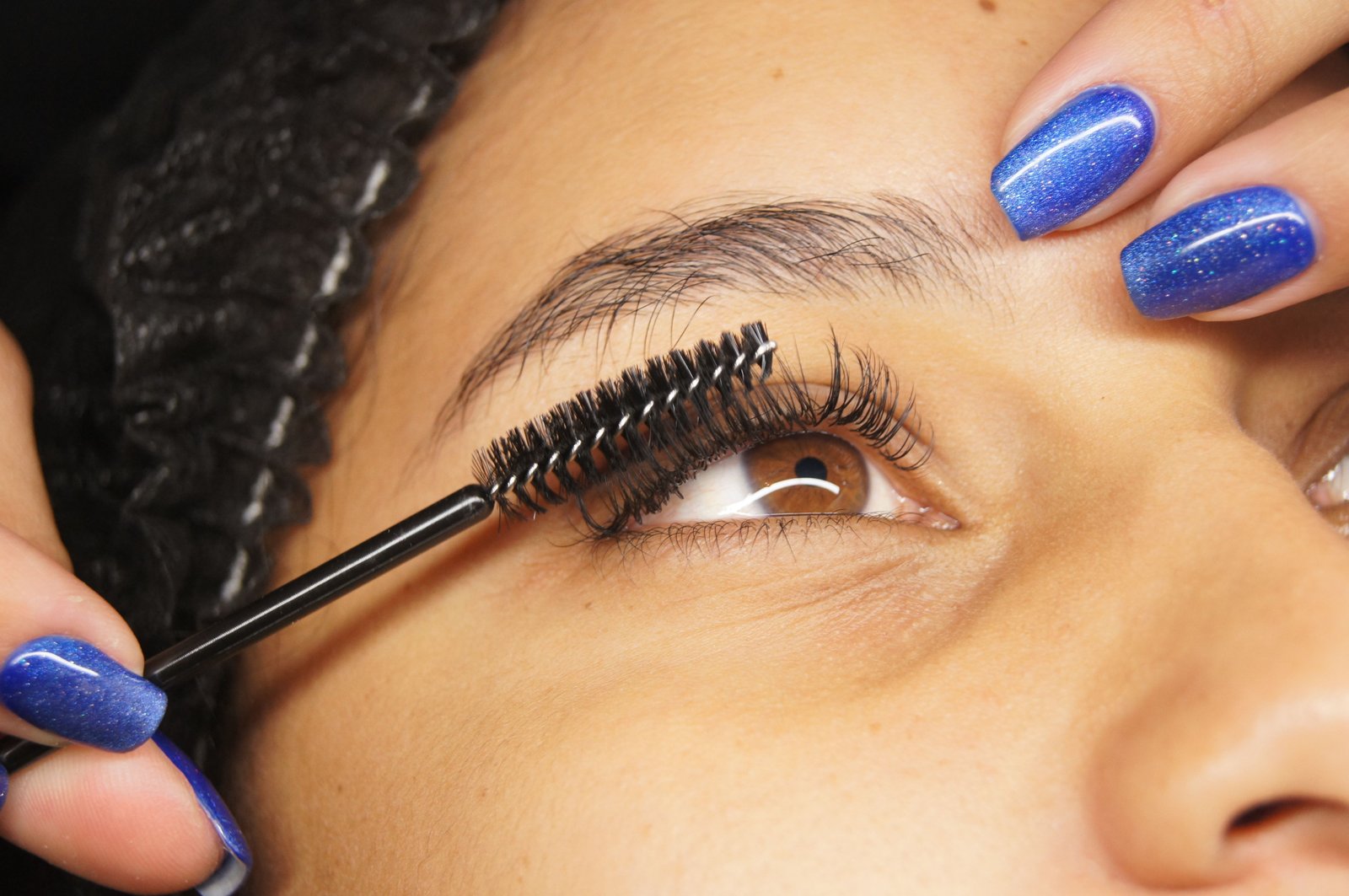
Shake the remover well, then saturate a cotton pad thoroughly rather than just dampening it. Close your eyes and hold the saturated pad against your lash line for a full ten seconds, resisting the urge to check on progress too early, since this dwell time is what actually lets the formula soften the adhesive. After the ten seconds, gently wipe downward in the direction the Wisps naturally sit, rather than scrubbing back and forth.
If any Wisps or adhesive residue remain after the first pass, repeat the process with a fresh, fully saturated pad rather than pressing harder on the same spot. Some people find it also helps to place already-loosened Wisps on a paper towel and coat them with additional remover, letting them sit for another ten seconds if you’re planning to reuse that same set.
Timing your removal session matters too. Doing it at the end of the day when you’re not rushed, rather than squeezing it in before an early morning commitment, gives you the patience the process genuinely requires. Many people find that removing lashes in the shower, where warm water and steam can help soften the adhesive slightly further before the remover pad even makes contact, adds one more layer of ease to the whole process.

How To Protect Your Natural Lashes During Removal
The single most important habit for protecting your natural lashes is patience with the dwell time. Ten seconds feels longer than it sounds when you’re eager to get the lashes off, but cutting that time short is exactly when people end up tugging at Wisps that haven’t fully released yet, which is what actually risks pulling out natural lashes, not the remover formula itself.
Wiping in the natural direction your lashes grow, rather than against it or side to side, also reduces strain on the lash line. If a section still feels resistant after a second application, applying a bit more remover directly to that specific area and waiting again is always safer than adding physical pressure to compensate for adhesive that hasn’t fully dissolved.
It’s also worth avoiding rubbing your eyes in the hours after removal, even once the Wisps are fully off, since the lash line and surrounding skin have just been through a cleansing process and benefit from being left alone to settle. A light, oil-free moisturizer around the orbital bone, avoiding the lash line itself, can help the skin feel comfortable again without interfering with any remaining product.
Genuine Pros And Cons
The clear advantage is that it’s specifically formulated for this exact adhesive, so it removes Wisps far more gently and completely than a generic makeup remover would, and many people report zero natural lash loss when it’s used correctly. It also conditions the eye area with rosewater rather than leaving skin feeling stripped, which is a real plus for anyone removing lashes regularly.
The honest trade-off is that it doesn’t always fully clear every trace of Bond and Seal residue on the first pass, and some users find they need to follow up with a gentle cleansing balm to get lashes completely clean before reuse. It’s also a product you need to actually own and have on hand, rather than something you can substitute with whatever makeup remover happens to be in your bag.
Traveling with the remover is worth planning for if you’re wearing Falscara for a destination event or a multi-day wedding weekend, since it isn’t a product most hotel bathrooms or venues will have on hand if you decide to remove your lashes away from home. Packing a small travel-size bottle alongside your other lash supplies avoids the situation of needing to remove a set with nothing but a regular makeup wipe.
Water temperature during removal is a small detail worth mentioning too. Lukewarm water, rather than very hot or cold, tends to work best alongside the remover, since heat that’s too intense can feel uncomfortable against sensitive eye-area skin while very cold water doesn’t help soften adhesive the way a comfortably warm temperature does. A warm, not scalding, damp washcloth held briefly over closed eyes before starting the remover process can make the whole routine feel more soothing.
Frequency of removal is also worth thinking about if you’re wearing Falscara regularly rather than for a single event. Giving your natural lashes an occasional break between sets, even just a few days, lets them recover from the general handling that comes with any semi-permanent lash routine, application and removal alike, which many people find keeps their natural lashes healthier over months of regular wear.
Signs You Should Stop And Get Help Removing Lashes
If a Wisp still feels genuinely stuck after two full applications of remover with proper dwell time, that’s a real sign to stop rather than push through with more pressure or a third quick attempt. Continuing to pull at that point risks taking natural lashes with it, and a licensed lash professional can safely finish the removal without that risk. Any redness, stinging, or irritation that doesn’t settle quickly after removal is also worth pausing for and, if it persists, following up with an eye care professional rather than assuming it will resolve on its own.
It’s also worth stopping if you notice a Wisp is bonded unusually close to your actual eyelid margin rather than sitting cleanly on top of your natural lash line, since aggressive removal in that specific spot carries more risk than removal along the lash shaft itself. When in doubt, a professional removal appointment is a genuinely reasonable choice, not an overreaction.
How Reign Beauty Collective Thinks About DIY Versus Professional Lash Removal
As professionals who work with lash products regularly, we genuinely believe DIY removal with the correct companion remover, done patiently, is a reasonable at-home routine for most people. Where we’d always recommend professional help is if something feels stuck, uncomfortable, or unusual, since a licensed technician has tools and experience specifically for those exact situations. If you’re deciding between DIY removal and wearing your Falscara set overnight for a special event, our companion guide, A Makeup Artist’s Guide To Falscara Overnighter, is worth reading first.
Ready To Book?
If you’re planning lash extensions or a Falscara-style look for your wedding day and want professional guidance on application and removal, Reign Beauty Collective would love to help. Based in Tampa, FL, our team walks through the full lash experience during your consultation. Take a look at our Price List, then Book Online to check availability.
Frequently Asked Questions
Will Falscara Remover pull out my natural lashes?
Used correctly, with a fully saturated pad and the full ten-second dwell time, many people find it removes Wisps without taking natural lashes with them. The risk comes from rushing the process and tugging before the adhesive has actually dissolved.
How long does Falscara Remover actually take to work?
The standard method calls for holding a saturated pad against closed eyes for about ten seconds before wiping, and some sections may need a second round. Being patient with the dwell time is the biggest factor in how smoothly and quickly it ultimately goes.
Is Falscara Remover safe to use close to my eyes?
It’s formulated for use around the eye area, but as with any eye-area product, we recommend a patch test first and stopping immediately if you notice irritation. This is general educational information, not medical advice.
What should I do if a lash still won’t come off?
Apply more remover directly to that section and wait again rather than pulling. If it still feels stuck after two full applications, that’s a genuine sign to stop and let a licensed lash professional finish the removal safely.
Can I reuse my Falscara Wisps after removing them?
Many people do reuse Wisps a few times if the adhesive residue is cleaned off gently and the lash shape stays intact during removal. Letting the remover fully soften the adhesive before handling the Wisps helps preserve their shape for reuse.
Does Reign Beauty Collective help with lash removal after an event?
We’re happy to talk through safe removal practices as part of our lash services, and for anything that feels stuck or uncomfortable, we always recommend a licensed lash professional over pushing through it yourself.