Quick Answer
Pomade and gel both hold hair in place, but they work through different mechanics and suit different looks: pomade is typically oil or wax-based, offers flexible hold with a natural sheen, and can be reworked throughout the day, while gel is usually water or alcohol-based, dries harder and faster, and holds a sleeker, more fixed shape with a shinier or matte finish depending on the formula. In our experience, pomade suits softer, more natural finished looks best while gel suits sleek, structured styles, and the right choice comes down to the specific look and hair type rather than one product being universally better.
Whether it’s a groom prepping for his wedding day or a stylist choosing a product for a sleek bridal updo’s baby hairs, pomade versus gel is a genuinely common question with a real, practical answer once you understand how each product actually behaves. As a Tampa-based team that styles hair for weddings regularly, here’s an honest breakdown of the real differences.
How Pomade And Gel Actually Differ, Mechanically
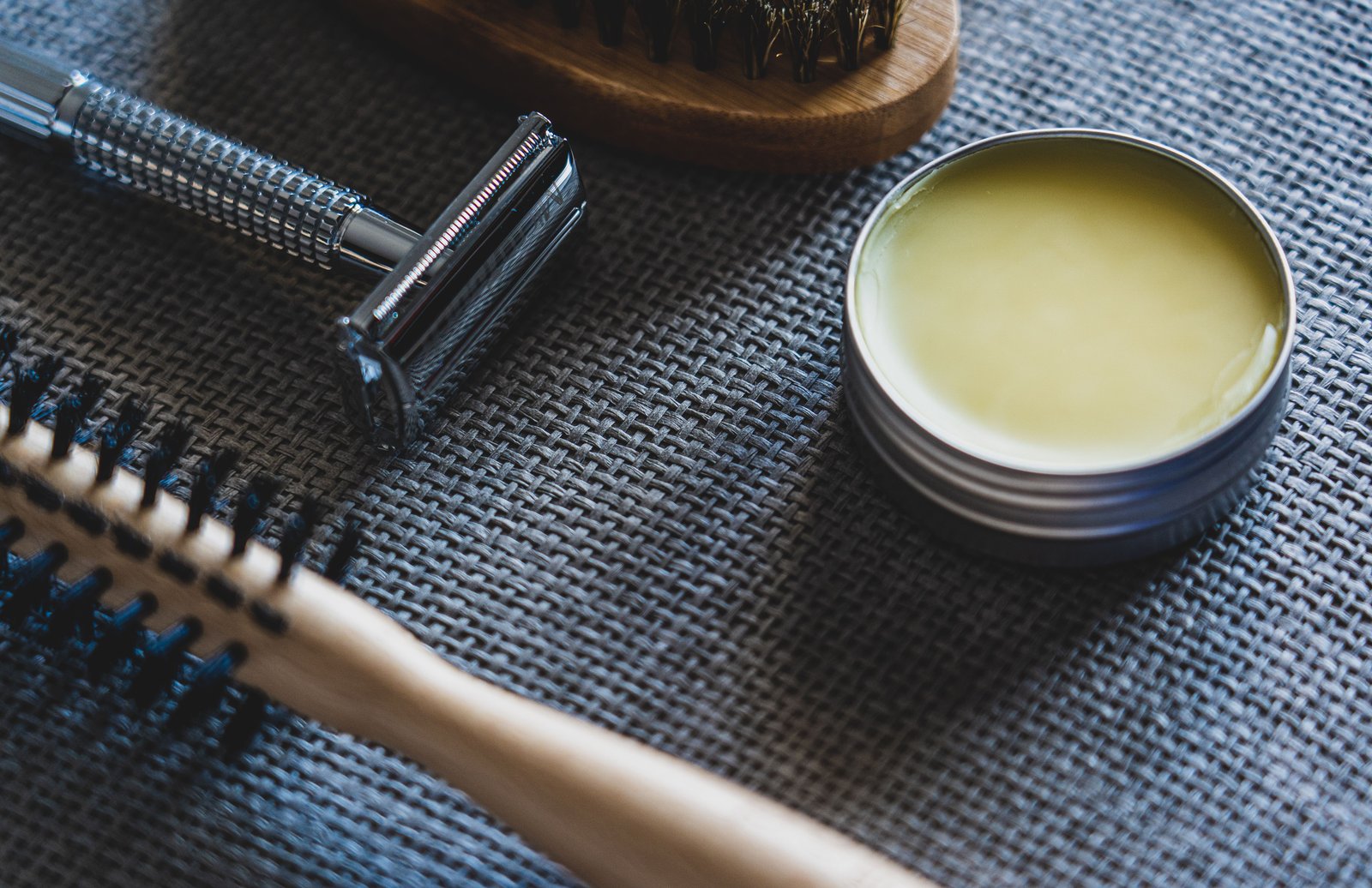
Pomade is traditionally built on an oil or wax base, sometimes petroleum-based, sometimes a plant-oil water-soluble version, which coats hair strands and provides hold through texture and tackiness rather than by hardening. This is why pomade-styled hair stays touchably soft and can be reshaped and restyled throughout the day just by running fingers back through it, unlike a product that dries into a fixed shape.
Gel, by contrast, is typically water or alcohol-based, using polymers that dry hard as the water or alcohol evaporates, creating a fixed, often crunchy-to-touch hold that locks hair into place rather than allowing it to be reworked once set. Once gel has fully dried, restyling generally means adding water or a fresh product application rather than simply combing through it again, a meaningfully different day-long experience than pomade offers.
There’s also a real difference in how each product interacts with the hair over the course of a long day of touching, adjusting, or a veil or boutonniere brushing against it. Because pomade never fully sets, it can be smoothed back into place with a quick pass of fingers or a comb if a section shifts, a genuinely practical advantage for a groom’s style that gets touched throughout photos and hugs. Gel, once it’s set, tends to hold its shape well against light contact but can crack or flake if reworked by hand rather than reactivated with a bit of water first.
Hold Strength And Finish: Matte Versus Shine, Flexible Versus Fixed
Pomade generally delivers a natural to moderate shine, ranging from a subtle sheen to a noticeably glossy, wet-look finish depending on the specific formula, and its hold tends to be flexible rather than rock-solid, moving somewhat naturally with the hair rather than freezing it in one exact position. This flexible hold is part of why pomade suits looks meant to look effortlessly styled rather than rigidly controlled.
Gel offers a wider range of finish options, from a high-shine wet look to a completely matte finish depending on the formula, but its hold is generally firmer and more fixed once dry, which makes it the more reliable choice for a style that needs to hold one exact shape through a long day without shifting, like a sleek, structured groom’s style or securing flyaways along a bride’s hairline.
Hold strength within each category also varies considerably by specific product, not just by category, so a “strong hold” gel and a “light hold” gel can perform quite differently from one another, just as a “strong hold” pomade differs meaningfully from a lighter styling cream marketed loosely as a pomade. Checking a specific product’s stated hold level, light, medium, or strong or firm, rather than assuming every product within either broad category performs identically, helps set more accurate expectations before styling.
Which Hair Types And Lengths Each Product Suits Best
Pomade tends to work best on shorter to medium-length hair and coarser or thicker textures, where its softer hold and natural sheen genuinely control shape without looking stiff, and it’s a particularly popular choice for classic, textured men’s styles specifically because of that natural, reworkable finish. Fine, thin hair can sometimes look weighed down by oil-based pomades specifically, in which case a water-based, lighter pomade formula tends to perform better.
Gel works across a wider range of hair types and lengths, since its hold comes from drying rather than coating, though very coarse or curly hair can sometimes look more stiff or helmet-like with a heavy gel application than with a pomade’s softer finish. For anyone with fine hair specifically wanting maximum hold and control, gel tends to deliver a stronger, more reliable hold than most pomade formulas can match.
Longer hairstyles worth mentioning separately too, since both products behave a bit differently once hair extends past a short, cropped length. On longer hair, pomade tends to be used more for taming flyaways and adding a bit of controlled shine to the ends or part line rather than as an all-over styling product, while gel is more commonly used to slick back or smooth longer hair into a controlled shape, like a low bun or a sleek half-up style, where a firm, all-day hold along the hairline matters more than flexibility.
Choosing Between Them For A Wedding Day Specifically
For a groom’s style meant to look classically polished but not overly stiff, a natural-finish pomade often achieves the right balance of hold and softness for hours of photos, hugs, and dancing without looking frozen in place. For a style requiring maximum hold through an entire long event, a heat-humid Florida outdoor ceremony especially, gel’s firmer, more fixed hold offers more reliable insurance against the day’s conditions.
For bridal hair specifically, gel is often the more practical choice for taming flyaways and baby hairs along a hairline or securing an updo’s edges, since its firmer hold resists Florida humidity better through a long day than a softer pomade would in the same conditions. It’s genuinely common to use a small amount of gel for structural control at the hairline while pomade or another product handles the overall style’s finish and shine elsewhere.
Weather is worth factoring into the decision explicitly, not as an afterthought. An indoor, air-conditioned venue with minimal humidity exposure gives more flexibility to choose based purely on the desired finish, while an outdoor Florida ceremony in summer heat genuinely favors gel’s firmer hold for anything that absolutely needs to stay put, reserving pomade for elements of the style less exposed to direct heat and humidity, or planning a touch-up kit either way for extra insurance.
How Reign Beauty Collective Chooses Styling Products For Wedding Day Hair
We choose between pomade, gel, and other styling products based on the specific look, hair type, and how long that look needs to hold through your event, not by default preference for one over the other. Our Hair Grease guide covers a related traditional styling product with its own distinct hold and finish.
For grooms and groomsmen especially, we’ll often walk through a quick in-person test of both product types during a fitting or planning conversation, since feeling the difference in hold and finish firsthand tends to make the choice much clearer than describing it in the abstract. That same hands-on approach applies to any hairline or baby-hair product decision for the bride and bridal party, tested well before the wedding morning rather than decided for the first time under time pressure.
Ready To Book?
If you want a wedding-day hair style built to hold through every hour of your celebration, Reign Beauty Collective would love to help. Based in Tampa, FL, our stylists choose the right product for your hair type and event conditions. Take a look at our Price List, then Book Online to check availability.
Frequently Asked Questions
Which lasts longer through a hot, humid day, pomade or gel?
Gel generally offers more reliable hold in heat and humidity since it dries into a fixed shape, while pomade’s softer, flexible hold can loosen faster in genuinely hot, humid conditions like a Florida outdoor wedding.
Can pomade and gel be used together?
Yes, it’s common to use gel for structural hold in specific areas, like a hairline or part, while pomade handles the overall finish and shine, combining the strengths of both products in one style.
Which is better for fine, thin hair?
Gel generally offers stronger, more reliable hold for fine hair without the weighed-down feel that oil-based pomade can sometimes cause. A lighter, water-based pomade is a reasonable alternative if a softer finish is preferred.
Is pomade or gel easier to wash out at the end of the day?
Water-based versions of either product generally wash out easily with regular shampoo. Oil or petroleum-based pomades can require a bit more thorough washing to fully remove.
Which is better for a natural-looking wedding day style?
Pomade generally achieves a softer, more natural-looking finish with flexible hold, making it a popular choice for a groom’s style meant to look polished without appearing overly stiff or fixed.
Does Reign Beauty Collective use pomade or gel for wedding styling?
We use both, chosen based on the specific style, hair type, and how long the look needs to hold, sometimes combining them within the same style for the best of both.