Quick Answer
A genuinely effective hair cream for shine works by smoothing the hair’s outer cuticle layer so it reflects light more evenly, either through lightweight silicones, natural oils, or humectants, rather than by adding artificial gloss that sits on top of the hair. The most effective creams for shine are applied sparingly to mid-lengths and ends on damp or dry hair, never at the roots, and the right choice depends heavily on hair thickness and porosity rather than one product working equally well for everyone. In our experience, the biggest mistake is using too much product rather than picking the wrong one.
Shine is one of those things that looks effortless in photos but usually isn’t accidental, and a hair cream built specifically for shine can make a genuine difference when it’s chosen and used correctly. It can also do the opposite, leaving hair looking greasy or weighed down, when the wrong formula or amount is used. As a Tampa-based team that styles hair for photos constantly, here’s an honest breakdown of what actually works.
How A Shine Cream Actually Creates Shine, Mechanically
Hair looks shiny when light bounces off it in a consistent, even direction rather than scattering in different directions, which happens when the hair’s outer cuticle layer lies smooth and flat rather than raised or roughened. Damaged, over-processed, or naturally coarser hair often has a rougher cuticle surface that scatters light more, which is exactly why it can look dull even when it’s clean and well cared for otherwise.
A shine cream works by temporarily smoothing that cuticle layer down, either through lightweight silicones that coat and fill in rough spots, natural oils that add slip and smooth the surface, or humectant ingredients that draw in a small amount of moisture to plump and smooth the hair shaft. None of these approaches permanently repairs a damaged cuticle, they create a temporary smoothing effect that washes out, which is why consistent, correct use matters more than a single application.
It’s worth understanding that hair itself is made primarily of keratin, a structural protein arranged in overlapping layers similar in concept to roof shingles, and it’s the alignment of those layers that determines how much light scatters versus reflects cleanly. Healthy, well-conditioned hair naturally has flatter, more aligned keratin layers, which is part of why a good conditioning routine on its own improves baseline shine even before any shine-specific product is added, and why a shine cream tends to perform best as an addition to good hair health rather than a substitute for it.
Silicone-Based Versus Oil-Based Versus Water-Based Shine Creams
Silicone-based shine creams tend to deliver the most immediate, dramatic shine boost, since silicones coat the hair shaft effectively and create a very smooth, reflective surface almost instantly. The trade-off is that heavier silicones can build up over repeated use without a clarifying shampoo periodically, and they can feel heavy on fine hair if too much is applied.
Oil-based creams, built around natural oils like argan, jojoba, or marula, tend to deliver a slightly softer, more natural-looking shine and generally absorb without the buildup risk silicones carry, though they can feel heavier in humid climates if overapplied. Water-based or humectant-forward formulas sit lightest of the three, working well for finer hair that can’t tolerate much product weight, though the shine effect tends to be more subtle than what silicones or oils typically deliver.
Not all silicones behave the same way either, which is worth knowing if buildup has been a problem in the past. Lighter, water-soluble silicones rinse away easily with a normal shampoo, while heavier, non-water-soluble silicones require a proper clarifying or sulfate shampoo to fully remove, and can accumulate more noticeably over repeated daily use without one. Checking whether a product’s silicone ingredients are water-soluble, often identifiable by names ending in “-icone” that also include “PEG” or “PPG” prefixes, is a useful, if slightly technical, way to predict how much buildup risk a specific formula actually carries.

Matching Formula Type To Hair Thickness And Porosity
Fine, thin hair generally does best with a water-based or very lightweight oil formula applied in a genuinely small amount, since fine hair has less surface area to absorb product and shows weight and buildup far more visibly than thicker hair does. Thick, coarse, or very curly hair, by contrast, often tolerates and even benefits from a richer silicone or oil-based cream, since that hair type typically needs more product to see any visible smoothing effect at all.
Porosity, how readily hair absorbs and holds moisture, matters just as much as thickness. High-porosity hair, common after bleaching or chemical processing, tends to soak up product quickly and may need more frequent reapplication, while low-porosity hair can feel coated or greasy quickly since product tends to sit on the surface rather than absorbing in. Knowing your own hair’s porosity, generally testable by seeing how quickly your hair absorbs water when wet, helps narrow down which formula type is actually worth trying first.
Recently color-treated hair deserves its own specific mention, since bleaching and lightening services genuinely raise the hair’s cuticle and increase porosity, which is exactly why freshly colored hair often looks duller than its natural state even when it’s perfectly healthy otherwise. A gentler oil-based or humectant formula, applied a bit more frequently than you might for virgin hair, tends to help freshly processed hair regain some of that lost shine without adding the extra weight a heavier silicone formula might, especially in the weeks right after a color service leading up to a wedding.
Application Technique That Actually Makes A Difference
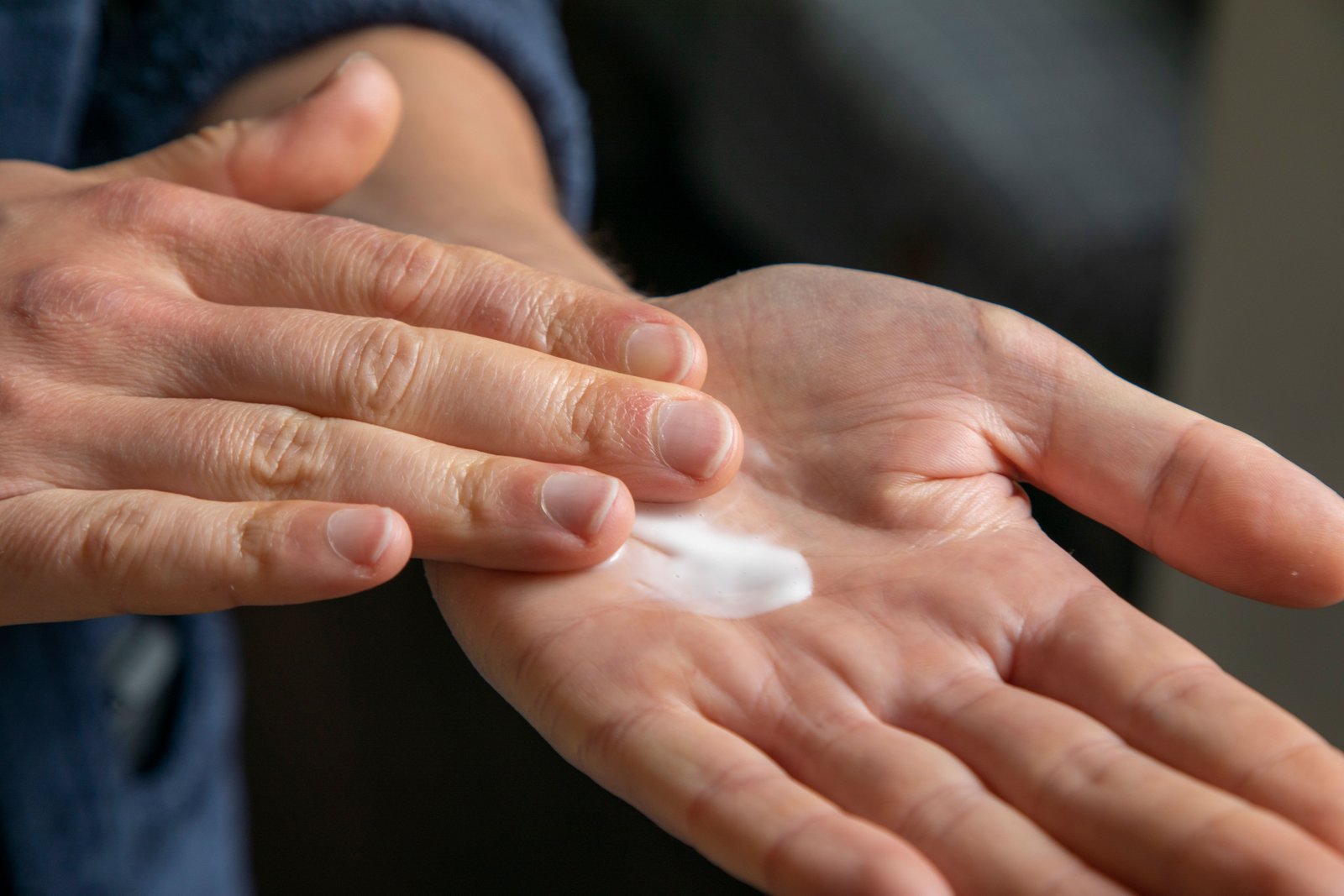
Less product applied correctly beats more product applied carelessly every time with shine creams specifically. Starting with a genuinely small amount, roughly a pea-sized dollop for most hair lengths, warmed between the palms before smoothing through mid-lengths and ends, distributes product far more evenly than applying it directly from the container onto one section of hair.
Avoiding the root area entirely is one of the most consistent pieces of advice worth following regardless of hair type, since shine cream applied at the roots almost always reads as greasy rather than glossy, even in small amounts. Applying to damp hair before styling generally distributes more evenly than applying to already-dry, fully styled hair, though a very small amount can also be smoothed over dry hair afterward as a quick finishing touch if needed.
Heat tool compatibility is worth double-checking too, since not every shine cream is formulated to be heat-safe, and applying a non-heat-protectant shine product before flat-ironing or curling can occasionally cause an unpleasant frying or bubbling effect where the product meets the hot tool. Checking a product’s label for explicit heat-protectant claims before using it as a pre-styling step, rather than assuming any shine cream doubles as heat protection, avoids a mistake that’s genuinely damaging rather than just cosmetic.
Common Mistakes That Kill Shine Instead Of Creating It
Overapplication is by far the most common mistake, and it’s an easy one to make since shine products often feel like “more is better” compared to other styling products. The result is almost always the opposite of the intended effect, hair that looks oily or weighed down rather than genuinely glossy, especially by the later hours of a long event day.
Skipping a clarifying shampoo periodically when using silicone-heavy formulas regularly is another common mistake, since buildup over time can actually dull shine rather than enhance it, working against the very effect the product is meant to create. Building an occasional clarifying wash into a regular styling routine, especially in the weeks leading up to an event where shine matters most, keeps buildup from working against you right when you need the best possible finish.
How Reign Beauty Collective Approaches Shine For Bridal Hair
We choose shine products based on your specific hair type and the style you’re wearing, since an updo, loose waves, and a sleek blowout all call for slightly different shine approaches and amounts. Our Ultimate Guide To Wedding Hairstyles covers how finishing touches like shine fit into your overall wedding-day hair plan.
Ready To Book?
If you want a genuinely glossy, photo-ready finish chosen for your specific hair type and style, Reign Beauty Collective would love to help. Based in Tampa, FL, our stylists know exactly how much product your hair actually needs. Take a look at our Price List, then Book Online to check availability.
Frequently Asked Questions
Will a shine cream make my fine hair look greasy?
It can if too much is used or a heavy silicone formula is chosen. A very small amount of a lightweight, water-based or thin oil formula applied only to mid-lengths and ends generally works well for fine hair without adding visible weight.
What’s the best type of shine cream for curly hair?
Curly hair generally tolerates and benefits from richer oil-based or silicone-based formulas, since curl patterns typically need more product to see a visible smoothing and shine effect than straight hair does.
Can shine cream repair damaged, dull hair permanently?
No, it creates a temporary smoothing effect on the hair’s cuticle that washes out, rather than permanently repairing damage. Ongoing hair health from proper care and minimizing damage matters more for long-term shine than any single product.
Should I apply shine cream to wet or dry hair?
Applying to damp hair before styling generally distributes more evenly, though a very small amount can also be smoothed over dry, styled hair afterward as a quick finishing touch if extra shine is needed.
How much shine cream should I actually use?
Start with a pea-sized amount for most hair lengths, warmed between the palms first, and avoid the root area entirely. It’s easy to add more if needed, much harder to fix hair that looks greasy from overapplication.
Does Reign Beauty Collective use shine products for bridal styling?
Yes, we choose shine products and amounts based on your specific hair type and planned style, since different wedding-day looks call for different finishing approaches.