Quick Answer
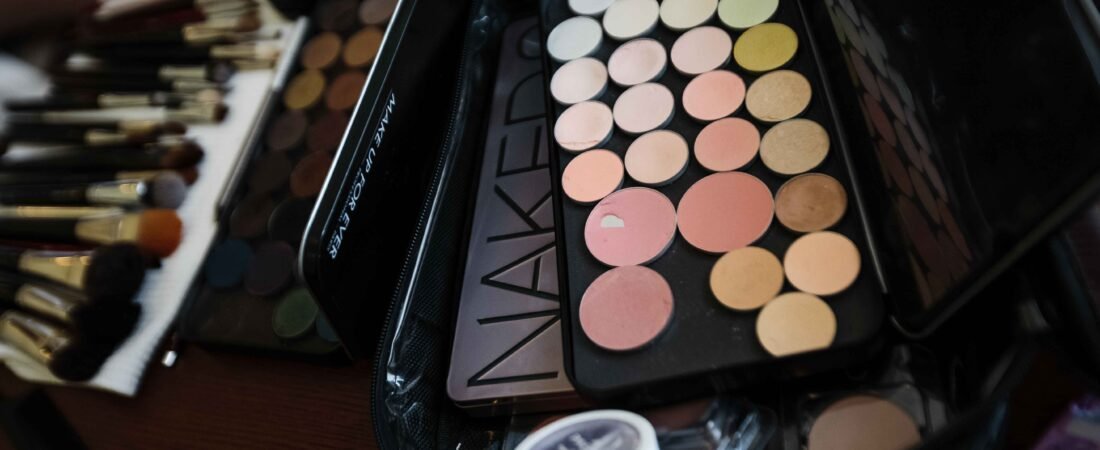
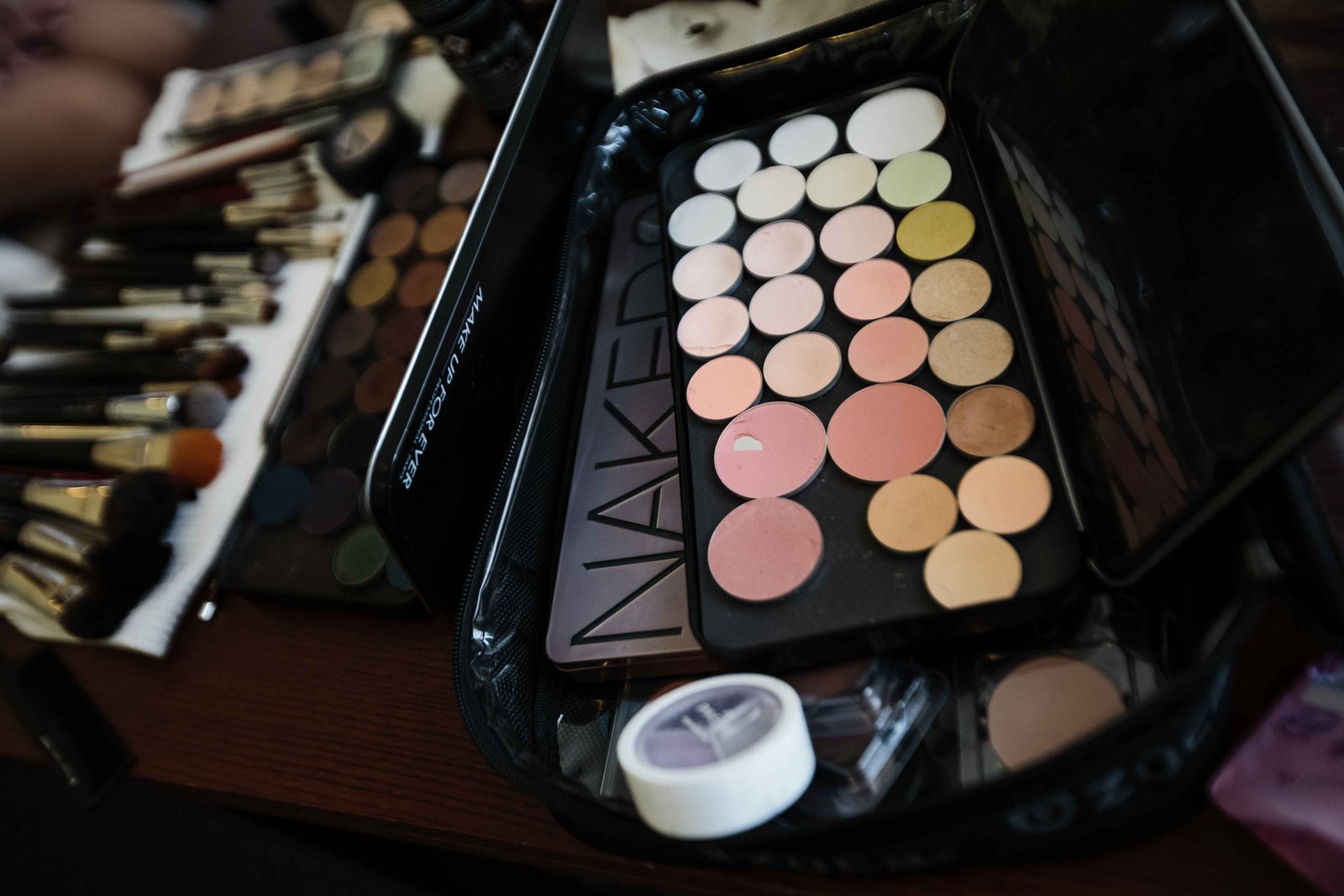
A concealer palette gives an artist multiple shades in one place, typically neutral tones for coverage plus color-correcting hues like peach, yellow, or lavender, so shades can be mixed on the spot for an exact match rather than relying on one fixed tube that may not suit every area of the face or every lighting condition. In our experience, this flexibility matters most under bridal photography and video, where a single shade that looks fine in person can read differently under flash. Many professional artists reach for a palette specifically for this level of control.
If you’ve watched a professional makeup artist reach for a concealer palette instead of a single tube and wondered why, you’re asking a genuinely useful question. It’s not just about having options, a multi-shade palette solves real problems that a single concealer simply can’t. As a Tampa-based team that provides bridal and event makeup as part of our work, we reach for concealer palettes constantly, so here’s an honest breakdown of what they actually offer and how to use one well.
Why A Multi-Shade Concealer Palette Gives An Artist More Control
Skin isn’t one uniform color, even within a single face. Under-eyes often run a different tone than the rest of the complexion, the area around the nose can carry more redness, and blemishes or dark spots frequently sit at a different depth of tone entirely. A single concealer shade, however well matched to your overall skin tone, simply can’t address all of these variations at once, which is exactly the gap a palette closes by giving an artist several genuinely useful shades in one compact tool.
Beyond covering multiple skin tones for different clients, a palette lets an artist mix shades in real time to hit an exact match that a pre-mixed single tube can’t always provide. Many artists find that even a client with a fairly “standard” skin tone still benefits from a touch of a warmer or cooler adjacent shade blended in, since undertone variation between people with similar overall depth of skin tone is more common than most people expect.
A palette also solves a problem that comes up constantly in bridal work specifically: a bride’s skin tone often shifts slightly between her engagement season and her wedding day, whether from sun exposure, a changed skincare routine, or simply time passing between the two. A single tube purchased months in advance can end up slightly off by the actual event, while a palette lets an artist adjust the match on the day itself using whatever combination of shades gets closest to how the skin actually looks that morning.
Color Correcting Versus Brightening Shades Within A Palette
Most professional palettes separate into two functional categories: color correctors and true concealers. Color correctors use opposite-wheel colors to neutralize specific discoloration, peach or orange tones cancel out blue-purple under-eye circles, green cancels redness, and lavender or yellow brightens sallow or dull areas. These shades are never meant to sit on skin alone as a finished look, they’re a neutralizing base applied first, then covered with a skin-tone-matched shade on top.
True concealer shades, by contrast, are meant to match and cover rather than neutralize, and this is where most of a palette’s neutral tones live. Understanding this two-step relationship, correct first, then conceal and blend, is the real skill behind using a palette well, and it’s the part most people skip when they first try color correcting and end up with a visible orange or green tint left showing through, rather than a smooth, corrected base.
How To Mix Shades For An Accurate Custom Match
Mixing on the back of a clean hand or a mixing palette, rather than directly on the face, is the most reliable way to test a blended shade before committing to it. Starting with the closest single shade and adjusting in small amounts, a touch warmer or a touch lighter, produces a more accurate result than trying to eyeball a large mix of multiple shades at once, since small adjustments are much easier to correct if the first attempt runs slightly off.
Testing the mixed shade in natural light before finalizing it matters more than most people realize, since indoor artificial lighting can shift how a shade reads noticeably. For any bridal or event application specifically, testing under a lighting condition closer to what the actual event or photos will involve, natural window light for an outdoor ceremony, for example, gives a far more reliable final read than testing purely under a bathroom vanity light.
Application Placement: Under-Eyes Versus Spot Concealing
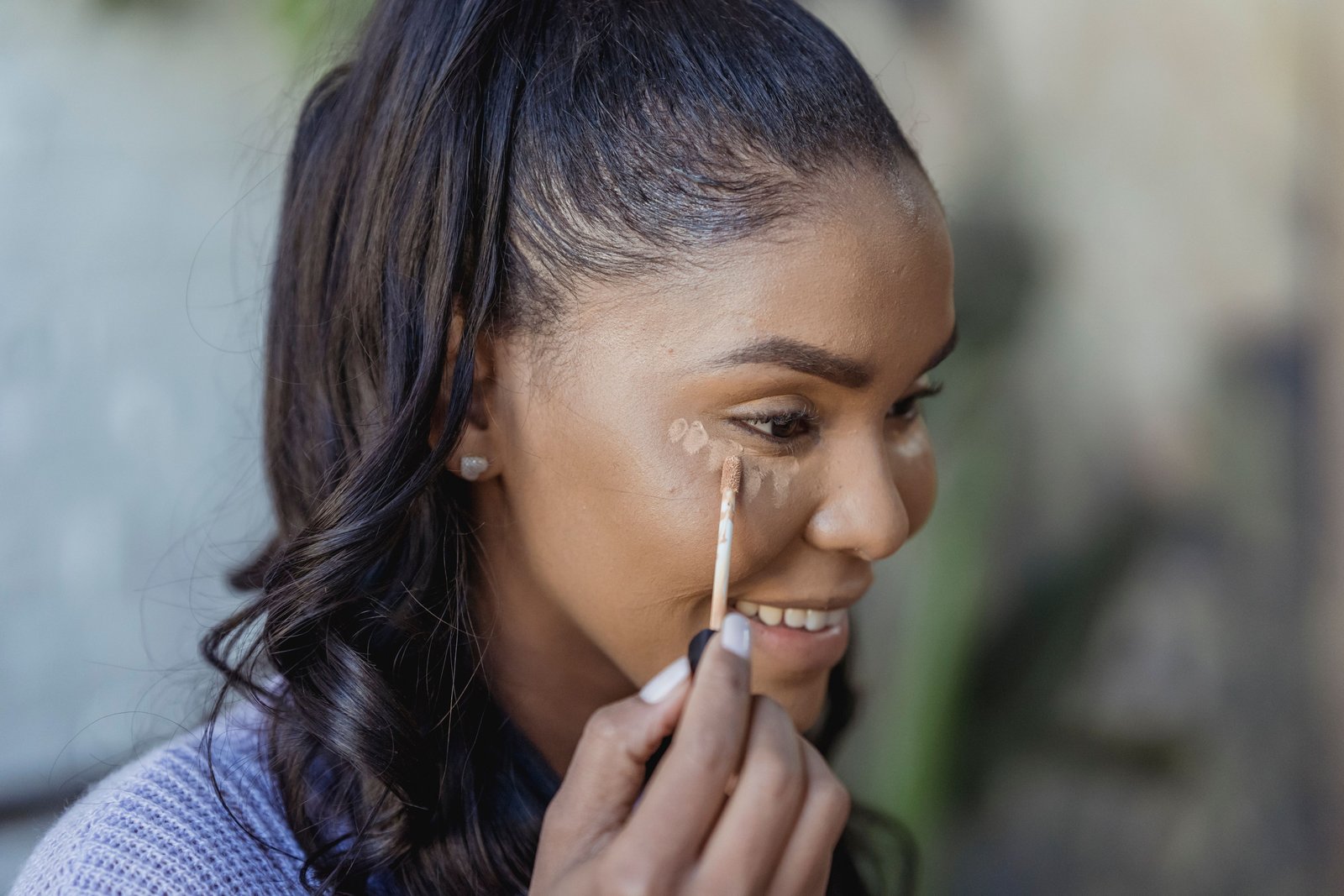
Under-eye application generally benefits from a slightly lighter, more luminous shade applied in a triangle shape extending toward the cheekbone, then set with a light dusting of powder to prevent creasing through a long day. Spot concealing for blemishes or discoloration elsewhere on the face works differently, using a shade matched exactly to the surrounding skin rather than a brightening shade, applied precisely to the spot and blended only at the very edges to avoid disturbing the correction underneath.
Using the same brightening under-eye shade for spot concealing elsewhere on the face is a common mix-up that can leave blemishes or discoloration looking highlighted rather than covered, since a shade meant to brighten will draw the eye rather than blend in on a spot that needs to disappear, not stand out. Keeping this placement distinction in mind is one of the simplest ways to get noticeably better results from the same palette.
Tool choice also affects placement results more than people expect. A small, dense brush or a damp sponge works well for precise spot concealing, pressing product into place rather than dragging it and disturbing the correction underneath, while under-eye application generally benefits from a slightly larger, softer brush or sponge that can diffuse the product across a wider area without emphasizing fine lines. Using the same tool for both jobs is a small habit that can quietly undermine results even when shade selection itself is perfect.
Common Mistakes People Make Using A Concealer Palette
Applying color corrector too thickly is one of the most frequent mistakes, since these shades are meant to neutralize subtly, not fully cover on their own. A thin, sheer layer corrected and blended, then followed by a proper concealer shade on top, produces a far more natural result than a heavy application of corrector alone. Skipping the setting step is another common issue, since an unset concealer, especially under the eyes, is more likely to crease and shift through a long day of wear.
A third mistake is mixing too many shades at once trying to chase a perfect match, which often ends up muddier than starting with the single closest shade and adjusting minimally. Many artists find that restraint, using the fewest shades necessary rather than blending several every time, actually produces cleaner, more predictable results than an overly complicated mixing process.
A fourth mistake is not accounting for oxidation, since many concealer formulas shift slightly warmer or darker within several minutes of application, meaning a shade that looks perfectly matched the moment it’s applied can read as a touch too warm or too dark once it fully settles. Waiting a few minutes and reassessing the match in natural light before considering the base complete helps catch this shift before it becomes a problem in photos later in the day.
How Reign Beauty Collective Uses Concealer Palettes For A Flawless Base
We use professional concealer palettes on every bridal application specifically because a wedding day involves natural light, flash photography, and video, all of which reveal a mismatched shade far more than everyday lighting would. During your trial, we test and mix your exact shade in the lighting closest to your actual ceremony conditions, so your base looks flawless in every photo, not just in the mirror. Our Secret To Flawless Contouring guide covers related base makeup technique, and our Guide To Miss Foundation pairs naturally with getting your concealer shade right too.
Ready To Book?
If you want a flawless, camera-ready base for your wedding or event, Reign Beauty Collective would love to help you plan a trial around your exact shade and lighting conditions. Based in Tampa, FL, our artists mix and test your concealer match under real event-day conditions, not guesswork. Take a look at our Price List, then Book Online to check availability.
Frequently Asked Questions
Will mixing shades from a concealer palette look uneven?
Not if it’s mixed off the face first and applied in thin, blended layers. Mixing directly on skin in thick amounts is what tends to look uneven, while testing a small blended amount on your hand first before applying gives a much cleaner result.
Which shade should I use for dark circles versus blemishes?
Dark circles typically benefit from a peach or orange-toned corrector followed by a brightening concealer shade, while blemishes need a shade matched exactly to the surrounding skin rather than a brightening one, since brightening a spot can draw more attention to it.
Is a concealer palette actually worth it over one tube?
For anyone dealing with more than one type of discoloration, or for a professional working with different clients, a palette genuinely earns its place. For someone with fairly even, consistent skin needing only light coverage, a single well-matched tube may be all that’s needed.
How do I know if I’m applying color corrector too heavily?
If the corrector shade is still visibly showing through after your concealer and setting powder, you’ve likely applied it too thickly. A properly applied thin layer should neutralize the discoloration without needing to fully cover on its own.
Does a concealer palette work for all skin tones?
Quality professional palettes are built with a range of depths and undertones specifically to work across different skin tones, though it’s worth checking a palette’s shade range before buying if you have a deeper or lighter skin tone to make sure it genuinely includes matching options.
Does Reign Beauty Collective use concealer palettes for bridal makeup?
Yes, we use professional concealer palettes on every bridal application to mix and test your exact shade match under real lighting conditions, ensuring your base looks flawless in person and in photos.