Quick Answer
A blush palette offers something a single shade simply can’t: the ability to mix, layer, and adjust color intensity and undertone on the spot to match a specific skin tone, lighting, or occasion. Professional artists favor palettes because they let them customize a flush of color to each individual client rather than reaching for one fixed shade and hoping it works. In our experience, a well-chosen blush palette is one of the more genuinely useful tools in a kit, professional or personal.
Walk into any professional makeup artist’s kit and you’ll almost always find a multi-shade blush palette rather than a single blush compact, and that’s not an accident or an aesthetic choice. As a Tampa-based bridal and event makeup team, we rely on blush palettes constantly, and we wanted to explain exactly why, and how to actually use one well if you’re considering adding one to your own routine.
Why Professional Artists Favor A Multi-Shade Blush Palette
The core reason is customization on the spot. Every client’s skin tone, undertone, and desired intensity is different, and a palette lets an artist mix a completely custom flush of color in real time rather than being locked into whatever single shade happens to be in a compact. This flexibility genuinely matters, since the “right” blush shade for warm, fair skin looks very different from the right shade for deep, cool skin, and a palette covers that range in one product.
Palettes also account for occasion. A soft, barely-there flush for daytime and a more saturated, dramatic cheek for an evening event genuinely call for different intensities, and mixing shades from a palette lets an artist dial that up or down instantly rather than needing several separate single blushes on hand for every possible scenario.
How To Mix And Layer Shades From A Palette For A Natural Finish
A reliable starting technique is applying the lightest, most universally flattering shade first as a base across the apples of the cheeks, then layering a slightly deeper or more pigmented shade lightly on top for dimension. This two-shade approach mimics how a natural flush actually looks on skin, brighter and more concentrated at the center, softer and more diffused at the edges, rather than one flat block of uniform color.
For more dimension, a third, very light shade swept high on the cheekbone, almost like a soft highlight, can finish the look beautifully. The key across all of this is restraint, building color gradually in thin layers rather than applying too much of any one shade at once, since it’s always easier to add more than to correct an overdone application.
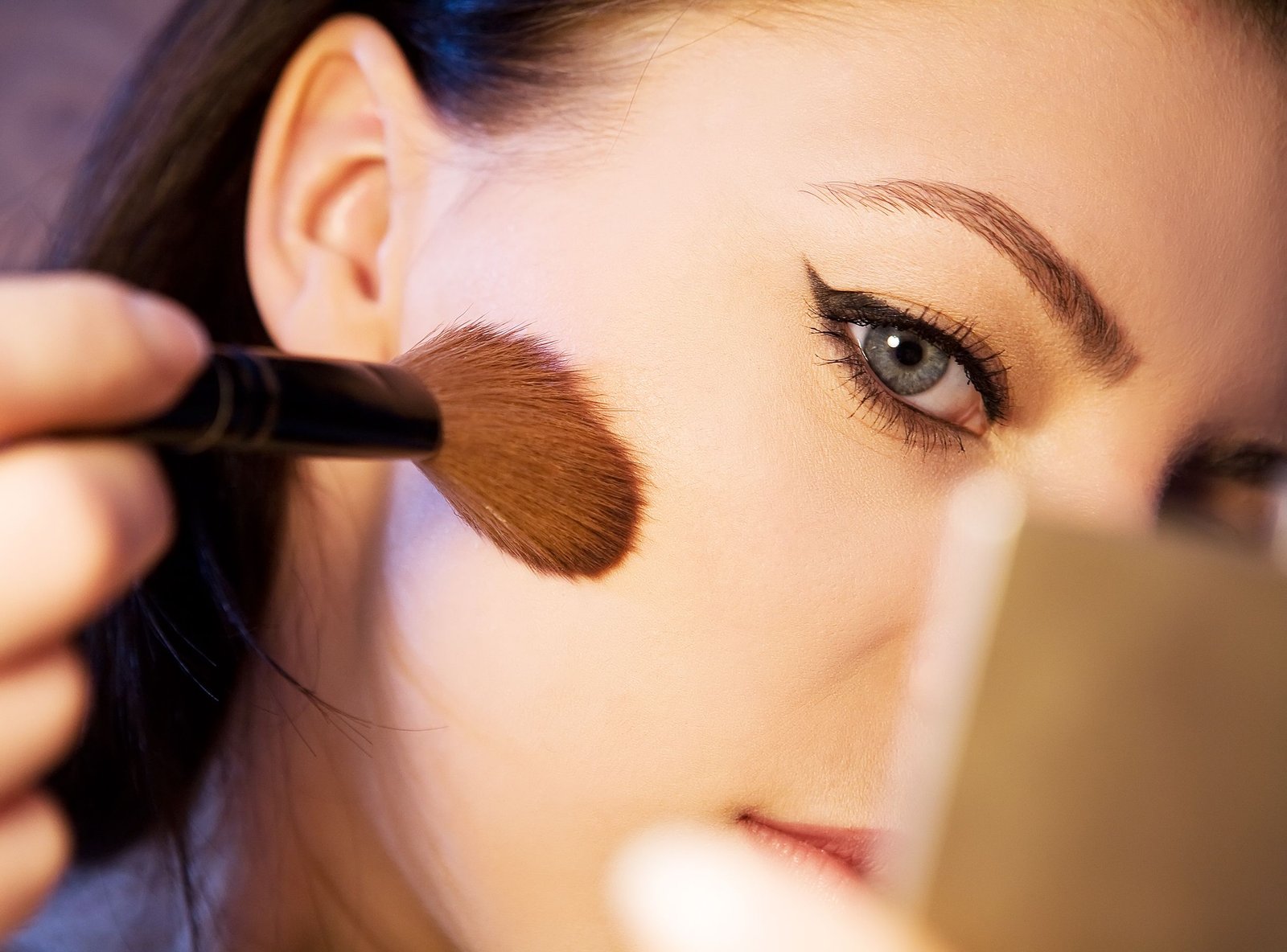
Brush choice matters here too. A large, fluffy blush brush picks up less product per swipe and distributes it more diffusely, which naturally supports a soft, buildable layering technique, while a smaller, denser brush deposits more color in a smaller area, useful for a more precise, concentrated flush. Many artists keep both on hand specifically for this reason, switching depending on which shade and effect they’re layering at any given moment.
Choosing Undertones Within A Palette That Flatter A Range Of Skin Tones
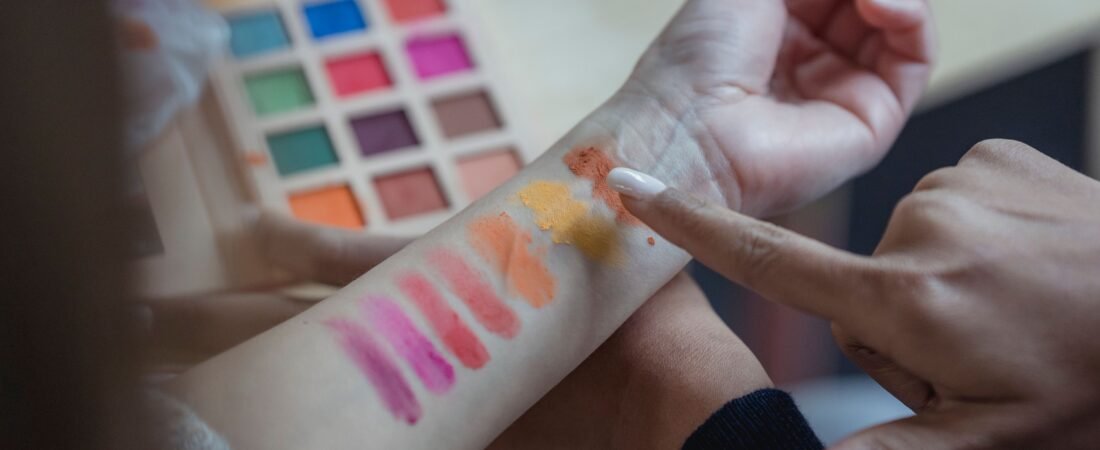
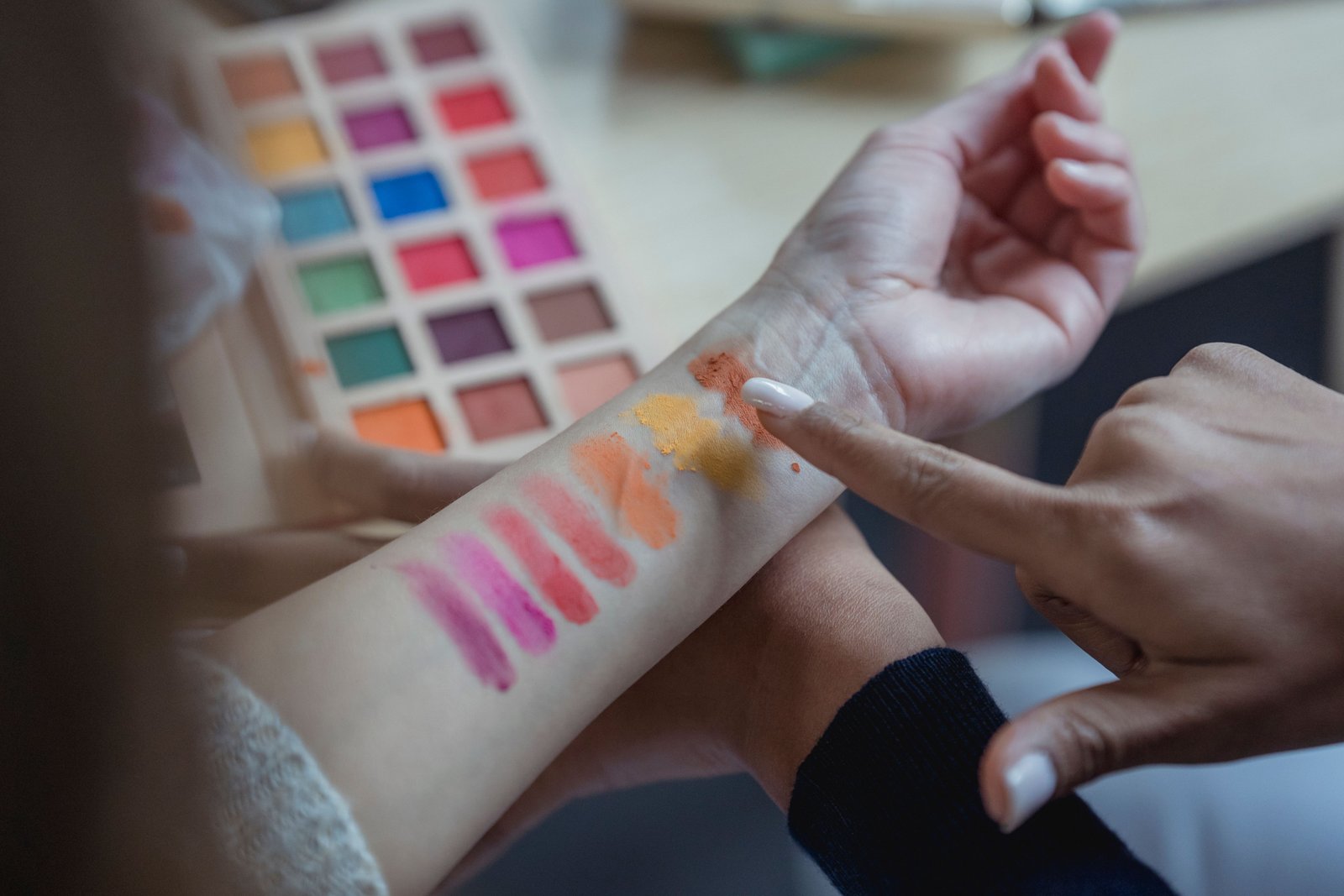
A genuinely well-built blush palette includes a spread of undertones, some pink, some peach, some deeper berry or terracotta, rather than several shades that are all essentially the same color at slightly different intensities. Pink-based shades tend to flatter cooler undertones, peach and coral shades tend to flatter warmer undertones, and deeper berry or terracotta shades work beautifully as a more dramatic option or for deeper skin tones that need more pigment to show up visibly.
This is exactly why mixing matters so much. Combining a pink and a peach shade, for instance, can genuinely create a custom, in-between undertone that suits a client more precisely than either shade alone, a level of precision a single fixed blush simply can’t offer no matter how good the shade is on its own.
Texture within a palette matters as much as color. Many well-built blush palettes mix matte, satin, and subtly luminous finishes across their shades, giving an artist even more control, a matte shade for the base to keep things soft and natural, and a slightly luminous shade layered high on the cheekbone to add a healthy, lit-from-within quality without shifting into obvious shimmer territory.
Placement Technique For Different Face Shapes
Placement genuinely changes how a face reads, independent of the shade itself. Applied directly on the apples of the cheeks and blended upward toward the temple, blush tends to create a youthful, lifted effect that suits most face shapes well. Applied more toward the hollows of the cheeks and blended along the cheekbone, it can add subtle sculpting and dimension, which some artists prefer for a more editorial or contoured look.
For rounder face shapes, angling blush slightly upward and outward toward the temple can add gentle definition, while for longer face shapes, a slightly more horizontal application across the width of the cheek can help balance proportions. None of these are strict rules, but they’re useful starting points worth experimenting with using different shades from a palette.
Common Mistakes People Make Using A Blush Palette
The most common mistake is mixing too many shades at once without a plan, which can genuinely turn muddy rather than achieving the intended custom color. Sticking to two, occasionally three, shades with a clear purpose for each, base, dimension, highlight, tends to produce a much cleaner result than blending five different pans together hoping for the best.
Another common mistake is applying blush with too much product on the brush at once rather than tapping off excess first, which leads to a heavy, hard-to-blend patch of color instead of a soft, buildable flush. Many people also skip testing shade combinations against their actual skin in natural light, relying instead on how a palette looks in the pan, which rarely predicts how it will actually wear on skin.
Skipping blending tools entirely, fingers alone rarely distribute product as evenly as a brush or sponge, is another common shortcut that tends to leave visible edges rather than the soft, diffused gradient a natural flush actually has. A clean brush, blended in gentle circular motions, remains the most reliable tool for a seamless result regardless of how many shades are being layered.
How Reign Beauty Collective Uses Blush For A Natural Bridal Glow
Blush is one of the most important, and easiest to get subtly wrong, steps in bridal makeup, since it has to read as a natural, healthy flush rather than an obvious product application in close-up wedding photography. We use multi-shade palettes exactly for this reason, mixing a custom blend during your trial that’s tailored specifically to your skin tone rather than defaulting to one shade for every bride.
We also test how your blush wears through photos and flash specifically, since a shade that looks perfect in person can occasionally read differently under camera flash. You can see more of our approach on our Bridal Hair & Makeup page, and our guide on flawless contouring pairs naturally with blush placement technique.
Ready To Book?
If you want a natural, camera-ready flush custom-mixed for your exact skin tone, Reign Beauty Collective would love to help during a trial. Based in Tampa, FL, our artists build every look around what genuinely suits you. Take a look at our Price List, then Book Online to check availability.
Frequently Asked Questions
Won’t mixing blush shades just look muddy?
It can if too many shades are combined without a plan, but mixing two, or occasionally three, complementary shades with a clear purpose for each usually creates a cleaner, more custom result than any single shade alone.
Which blush undertone suits my skin?
Pink-based shades tend to flatter cooler undertones, while peach and coral shades tend to flatter warmer undertones. Testing a couple of options against your jawline in natural light is the most reliable way to know for sure.
Is a blush palette worth it over a single blush?
For most people who wear blush regularly, yes. A palette offers far more flexibility for different occasions and lighting than a single fixed shade, and it typically offers better value per use over time.
How many shades should I actually use at once?
Two shades, a base and a slightly deeper accent, is a reliable starting point for most looks. A third light shade on the cheekbone can add subtle dimension once you’re comfortable with the basic technique.
Can a blush palette work for deeper skin tones?
Yes, as long as the palette includes shades with enough pigment intensity to show up visibly. Berry and terracotta tones tend to perform especially well on deeper skin, where more sheer pink shades can sometimes read as too subtle.
Does Reign Beauty Collective use blush palettes for bridal makeup?
Yes, multi-shade palettes are a staple in our bridal work, since they let us custom-mix a natural flush tailored to each bride’s individual skin tone during a trial rather than using a default shade.