Quick Answer
Avoiding a foundation shade match miss comes down to three things: testing along your jawline rather than your hand or wrist, checking the shade in real natural light instead of store lighting, and letting the formula sit on your skin for a few minutes before deciding. Most foundation misses trace back to skipping one of these steps rather than a lack of good products on the market. In our experience, a foundation “miss” is almost always fixable once you understand exactly where the testing process went wrong.
If you’ve ever bought a foundation that looked perfect in the store and then completely wrong the moment you stepped outside, you’ve experienced a foundation shade match miss firsthand, and you’re far from the only one. As professional makeup artists, we see this constantly, and it’s rarely about the product itself being bad. It’s almost always about how the shade was tested. This guide walks through exactly where foundation matching tends to go wrong and how to avoid a miss next time.
The Most Common Reasons Foundation Shade Matching Goes Wrong
The single biggest culprit is testing in the wrong lighting. Store lighting, bathroom vanity bulbs, and ring lights all distort how a shade actually looks, sometimes making it appear more matched than it truly is, or throwing off the undertone entirely. Many people don’t realize how dramatically color perception shifts under artificial light until they step outside and see the real mismatch in daylight.
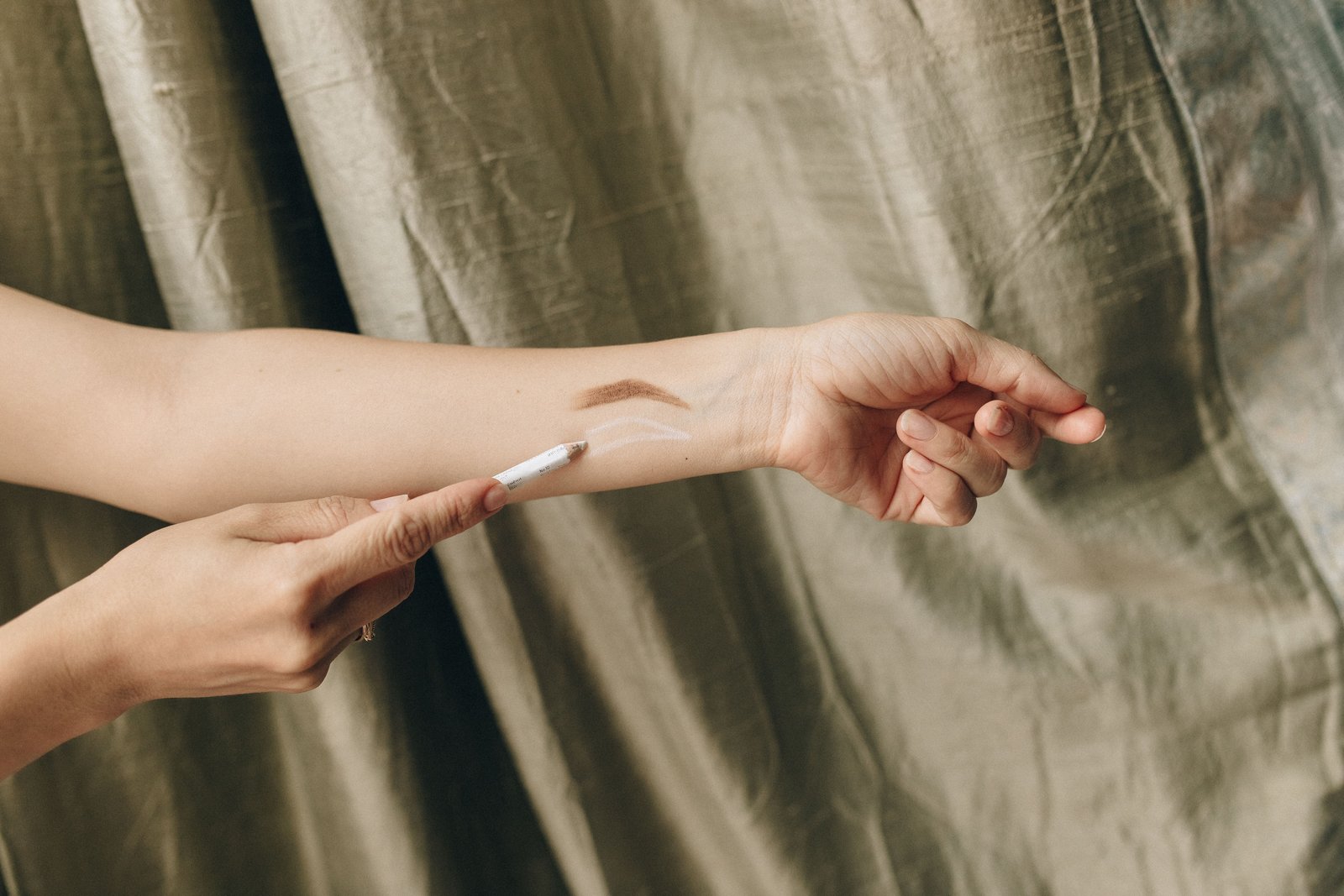
The second major issue is testing on the wrong area of skin entirely. Swatching on the back of your hand or your wrist feels convenient, but those areas are frequently a different tone than your face, since they see different sun exposure and have different underlying blood flow. A shade that looks perfect on your hand can still be a genuine miss once applied to your actual face.
How To Properly Test A Foundation Shade Before Committing
The jawline is the gold standard testing zone, since it sits right at the transition between your face and neck and tends to reveal a true match or a genuine miss more honestly than any other spot. Apply two or three close candidate shades in thin stripes from the lower cheek down through the jaw and lightly into the neck, then step back and see which one visually disappears into your skin rather than sitting on top of it.
Patience matters here too. Many foundations oxidize slightly once they’ve been on skin for a few minutes, meaning the shade can shift, usually warmer or a touch darker, from how it looked the moment you applied it. Waiting five to ten minutes before making a final call, then checking the result specifically in natural daylight near a window, is the single most reliable way to catch a mismatch before you’ve committed to a full bottle.
Matching Formula And Finish To Skin Type, Not Just Shade
A correct color match can still turn into a different kind of miss if the formula and finish don’t suit your skin type. A matte, oil-controlling foundation on genuinely dry skin can cling to flaky patches and emphasize texture rather than smoothing it, while a dewy, hydrating formula on very oily skin can slide and lose its finish within a few hours. Getting the shade right solves half the problem, and getting the formula right solves the other half.
This is a gap most generic shade-matching guides skip entirely, since they focus almost exclusively on color and rarely mention that the exact same correct shade can look completely different depending on whether it’s applied in a satin, matte, or dewy finish. Many people find that once they nail down both their true shade and the right finish for their skin type together, foundation stops feeling like a gamble every time they try something new.
Undertone is the other piece that trips people up, separate from depth of color entirely. Two foundations can be the exact same lightness or darkness and still be a miss if one leans warm and your skin actually reads cool, or the reverse. A quick way to get a general sense of your undertone is looking at the veins on the inside of your wrist in natural light, greenish veins usually suggest a warmer undertone, bluish veins usually suggest cooler, though this is a starting point for conversation with an artist rather than a substitute for testing shades directly on your face.
How Foundation Can Look Different In Photos Than In Person
Camera flash and certain formulas don’t always get along. Foundations containing SPF or brightening ingredients can sometimes cause a subtle white or gray cast in flash photography, even when the shade looks perfectly matched in person. This is worth knowing well before an event where photos matter, rather than discovering it for the first time when photos come back looking off.
Testing your foundation in a few photos, ideally with flash, ahead of a big event is a simple way to catch this kind of miss before it matters. If you do notice a shift, a professional artist can often correct for it with careful color correcting or a slightly adjusted formula choice, rather than requiring a completely different shade altogether.
Signs You’ve Missed Your Foundation Match
A visible line at the jaw where face and neck meet is one of the clearest signs of a miss, along with foundation that looks ashy, gray, orange, or pink rather than simply blending into your natural skin tone. If you find yourself needing heavy bronzer or a different color corrector just to make your base look right, that’s often a sign the underlying shade or undertone wasn’t a true match to begin with.
Another common sign is a foundation that looked fine when you first applied it but seems to shift noticeably warmer or darker within an hour. That’s the oxidation issue mentioned earlier, and it’s worth testing for specifically rather than assuming your skin just changed color during the day.
A foundation that separates or turns patchy by midday can also point to a formula mismatch rather than a color one, particularly if it’s settling unevenly into fine lines or texture. If this keeps happening across different shades from the same brand, the issue is likely the formula’s finish rather than the color itself, which is worth mentioning specifically if you ask an artist or beauty counter associate for help narrowing down your next option.
How A Professional Artist Helps You Avoid A Foundation Miss
A trained makeup artist tests shade, undertone, formula, and finish together, in real lighting, and can usually spot the difference between a true match and a near-miss faster than most people can on their own. This is especially valuable ahead of a wedding or major event, where a bridal trial gives you a real opportunity to test your exact foundation match under conditions similar to the actual day, rather than guessing at home the morning of.
Skin type, undertone, and personal preference all vary quite a bit from person to person, so working with a professional rather than relying on an online shade-matching tool alone is generally the more reliable path, especially for an event where there’s no room for a last-minute miss. Foundation is just one piece of the full look, and our Complete Guide To Bridal Makeup covers how it fits alongside every other step.
Ready To Book?
If you want to stop guessing and finally get a true foundation match, Reign Beauty Collective would love to help during a professional trial where shade and formula are tested together. Based in Tampa, FL, our artists test your exact match under real, event-ready conditions. Take a look at our Price List, then Book Online to check availability.
Frequently Asked Questions
Why does my foundation look different once I get outside?
This almost always comes down to lighting. Store and bathroom lighting distort color, so a shade can look matched indoors and then reveal a real miss the moment you’re in natural daylight. Always double check a new shade near a window before committing.
Are online shade-matching tools reliable?
They can be a helpful starting point, but many people find they’re not precise enough on their own, since they rely on photos and screen calibration that vary widely. Using an online tool to narrow down two or three candidates, then testing those in person, tends to work better than trusting a single suggested shade outright.
How do I fix a foundation that turned out to be the wrong shade?
Depending on how far off it is, mixing it with a lighter or darker shade from the same line can sometimes correct a minor miss. For a more significant mismatch, it’s usually more reliable to retest properly using the jawline method and natural light rather than trying to force the wrong bottle to work.
Why does my foundation look fine in person but off in photos?
Certain formulas, especially those with SPF or brightening ingredients, can react to camera flash and cause a subtle cast that isn’t visible in person. Testing your shade in a flash photo ahead of an important event is the best way to catch this before it matters.
How often should I recheck my foundation shade match?
Many people find their match shifts slightly with the seasons, since sun exposure changes skin tone throughout the year. It’s worth rechecking your shade at least once or twice a year, and definitely ahead of any major event where your foundation needs to be exactly right.
Can Reign Beauty Collective help me find my correct foundation shade?
Yes, foundation shade and formula matching is part of every bridal trial and makeup service we offer. We test your match under real lighting conditions rather than relying on a quick guess, so you can feel confident before your event.