Quick Answer
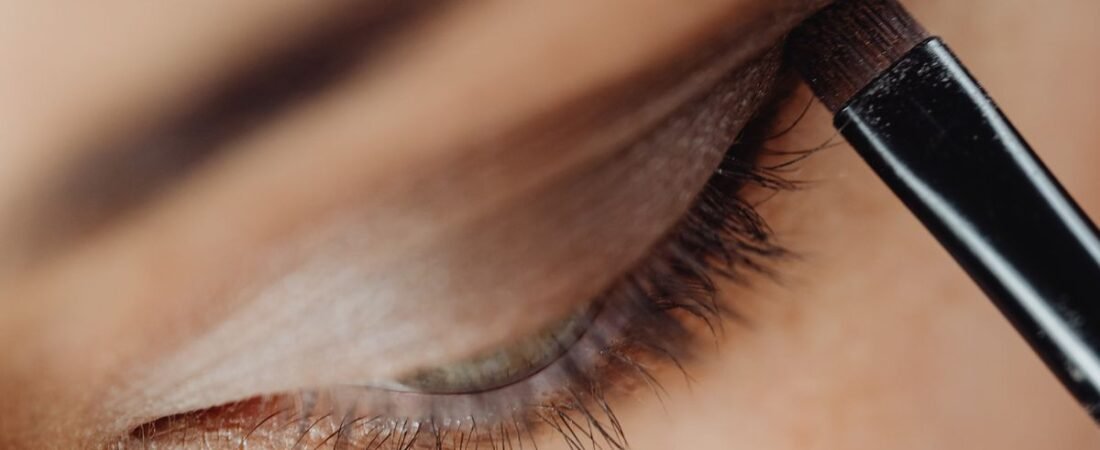
The eye makeup techniques every beginner should know are priming the lid, placing a transition shade in the crease, blending the edges softly, and applying eyeliner and mascara with a light, forgiving hand. In our experience, most beginners struggle less with product choice and more with skipping the blending step or applying too much eyeshadow at once, both of which are easy habits to correct with practice. Many people find that once these core techniques feel natural, every future eye makeup look, from a soft daytime wash of color to a bolder evening look, becomes far easier to build.
Learning eye makeup for the first time can feel more intimidating than it needs to be, especially with so many tutorials assuming a level of comfort with brushes and blending that most beginners simply don’t have yet. As a professional makeup artist team, we work with clients at every skill level, and we’ve found that eye makeup really does come down to a handful of foundational techniques. Once you understand these, you can build almost any look with confidence, rather than trying to memorize a new routine for every trend. This guide walks through the exact building blocks we teach clients who are picking up eye makeup for the first time.
Priming Your Eyelid Before Anything Else
Skipping primer is one of the most common reasons eye makeup looks patchy or fades within a few hours, and it’s often the first thing we correct with new clients. A thin layer of eyeshadow primer, applied to a clean, dry lid, gives your eyeshadow something to grip onto and evens out your natural skin tone so your shadow colors show up true rather than muddied by any redness or discoloration on the lid.
Many people find that primer also makes the blending step significantly easier, since product moves more smoothly over a primed lid than a bare one. If you only add one new step to your current eye makeup routine, this is the one we’d recommend, since in our experience it improves both the look and the longevity of everything applied afterward. A small amount is all you need, applied with a fingertip or a flat brush and pressed in rather than rubbed, and letting it set for a minute before adding shadow helps it grip properly.
Building Color With Eyeshadow Placement And Blending
The basic eyeshadow formula that works for nearly every look starts with a transition shade, a matte tone close to your own skin color, swept through the crease to create soft depth. From there, your main lid color goes directly onto the eyelid itself, and a slightly darker shade can be added to the outer corner for definition. The technique that ties it all together is blending, using a clean, fluffy brush in soft back-and-forth motions to soften any harsh lines between shades.
Many beginners apply too much shadow at once, which makes blending harder and increases fallout under the eyes. In our experience, it’s much easier to build color gradually in thin layers, checking your progress as you go, than to try to fix an overly heavy first application. It’s also worth noting that hooded eyes and monolids sometimes need the transition shade blended slightly higher, above the visible crease, so the depth still shows once your eyes are open, a small adjustment that a lot of general tutorials don’t mention. A clean brush, used just for blending and kept free of heavy product buildup, also makes this step noticeably easier and more forgiving for a beginner still building confidence.
Eyeliner Basics That Are Forgiving For Beginners
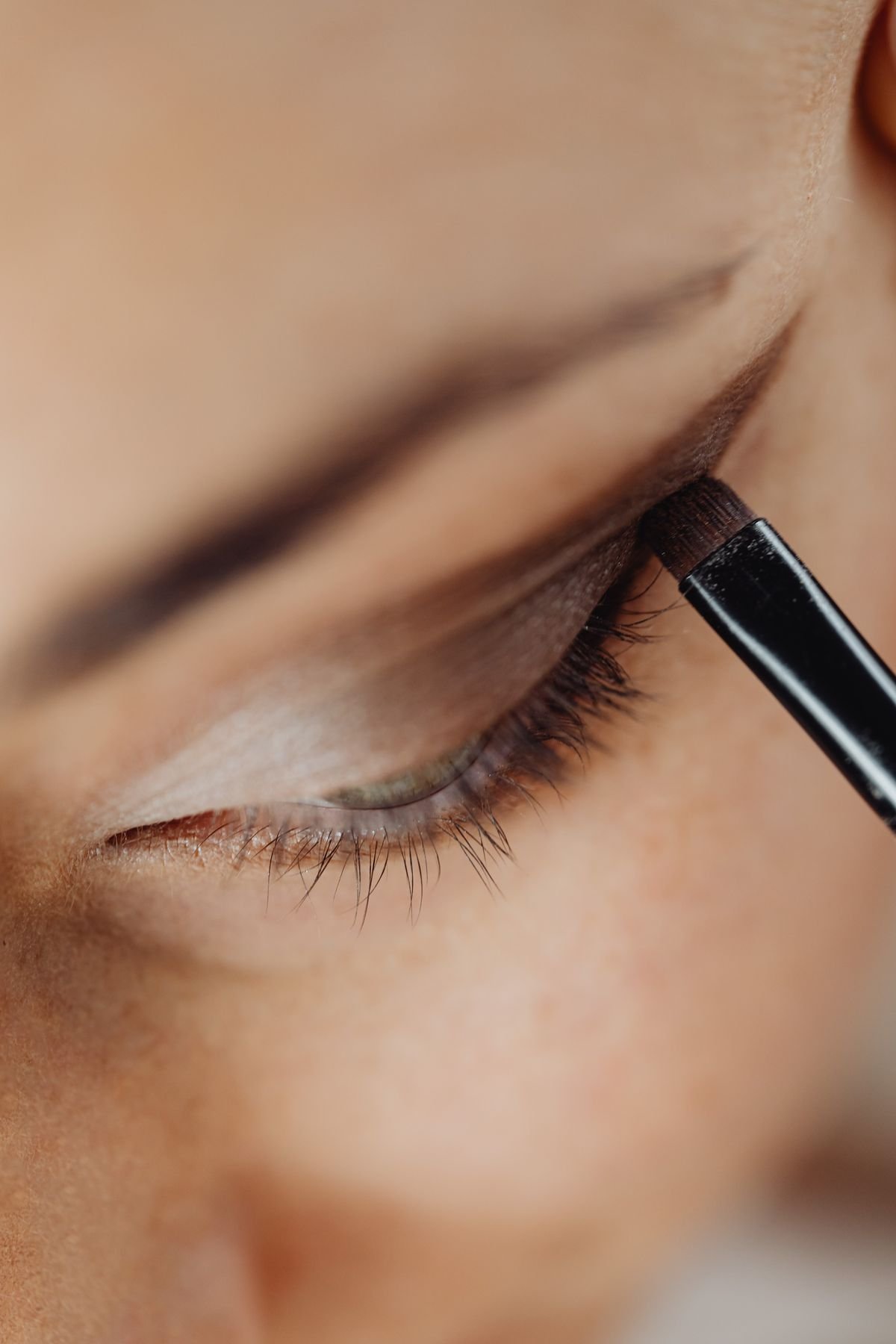
Eyeliner tends to be the step beginners feel most nervous about, but a pencil liner is genuinely the most forgiving tool to start with, since it can be smudged and softened if your first line isn’t perfectly even. Rather than attempting one continuous line across the whole eye, it helps to apply small dashes along the lash line first, then connect them, which keeps the line steadier and easier to correct as you go.
Many people find that smudging the liner slightly with a small brush right after applying it, before it fully sets, creates a softer, more polished finish than a harsh, unblended line. If a wing feels too advanced right now, a simple tightlined lash line, filling in the gaps between your lashes, is a great place to start and instantly makes lashes look fuller without any dramatic technique required. Resting your elbow on a table or counter while applying liner also steadies your hand significantly more than holding your arm up unsupported, which is a small trick that makes a noticeable difference for beginners.
Finishing Touches That Pull The Whole Eye Look Together
Mascara is often the very last step, and applying it correctly makes a bigger visual difference than people expect. Wiggling the wand at the base of your lashes before pulling it upward through the tips helps coat every lash and adds noticeable lift and volume. In our experience, one or two coats, allowed to dry slightly between applications, looks far more natural than several coats piled on all at once, which can lead to clumping.
Cleaning up eyeshadow fallout underneath the eye is the last small step that makes a real difference in how polished the finished look appears. A dry cotton swab, or a bit of tape applied under the eye before you even start blending, catches loose powder before it settles, so you’re not smudging fallout into your base makeup at the very end.
Filling in your brows lightly before you start your eye makeup can also help the whole look come together, since well-groomed brows frame the eyes and make any eyeshadow work look more intentional. Many people find it easier to do brows first, then eyeshadow, so any stray brow product doesn’t smudge freshly blended shadow underneath it.
Common Mistakes Beginners Make With Eye Makeup
Skipping primer, applying too much product at once, and not blending thoroughly enough are the three mistakes we see most often, and thankfully all three are easy fixes once you know to look out for them. Another common misstep is choosing very dark or shimmery shades before mastering the basics, which can make small blending errors much more noticeable than they’d be in a soft neutral tone.
Many beginners also work in poor lighting, which can make it hard to judge how blended a look actually is until you step into daylight later. Practicing near a window or with a well-lit mirror helps you catch inconsistencies while you can still fix them, rather than after the look already feels finished. Rushing through the whole process is another common issue, since eye makeup, more than most other steps in a routine, genuinely rewards patience and a slower, layered approach over speed.
How Reign Beauty Collective Builds On These Basics For Special Occasions
Reign Beauty Collective is a licensed, published on-location hair and makeup team based in Tampa, Florida, serving clients throughout Tampa, St. Petersburg, Clearwater, Sarasota, Orlando, Miami, and beyond, with the ability to travel worldwide. Every bridal and event look our artists create builds on these exact fundamentals, priming, careful shade placement, patient blending, and clean finishing touches, just applied with more advanced technique and longer-wear products for photography and all-day events.
Once you’re comfortable with these basics, our guide on How To Create The Perfect Neutral Eyeshadow Look is a great next step for a versatile everyday look, and if you’re planning bridal makeup with a little extra sparkle, our piece on How To Add Glitter To Your Bridal Eye Makeup covers how to do that safely and tastefully. You can also book a consultation with our team through our Price List.
Ready To Book?
If you’re preparing for a wedding, engagement shoot, or special event and want professional eye makeup that photographs beautifully and lasts all day, Reign Beauty Collective would love to help. Based in Tampa, FL and available throughout the Tampa Bay area, Orlando, Miami, and beyond, our artists build every look around your features and your event. Take a look at our Price List to see current pricing, then Book Online to check availability.
Frequently Asked Questions
Why does my eyeshadow always look patchy or uneven?
Patchiness usually comes from skipping primer or applying too much product before blending it in, and both are easy to correct. In our experience, building color slowly in thin layers over a primed lid gives you much smoother, more even results.
Is eyeliner harder to apply on certain eye shapes?
Many people with hooded eyes find that a visible wing can disappear once the eye is open, so tightlining or a thinner line closer to the lashes often reads better. It’s genuinely just a matter of adjusting placement, not a sign you’re doing it wrong.
What order should I actually apply my eye makeup products in?
The general order that works well is primer, transition shade, main lid color, eyeliner, and mascara last. Following this order in our experience prevents smudging and gives each product the best chance to blend or set properly.
How do I stop eyeshadow fallout from ruining my under-eye makeup?
Applying a bit of translucent powder or tape under your eyes before starting your eyeshadow catches most fallout before it settles into your base. Many people also find it easier to do eye makeup before foundation for exactly this reason.
Can I really learn these techniques without professional training?
Absolutely, many people build real confidence with eye makeup through practice and patience with these core techniques alone. If you’d like personalized guidance for a specific event, Reign Beauty Collective also offers consultations to help you feel prepared.